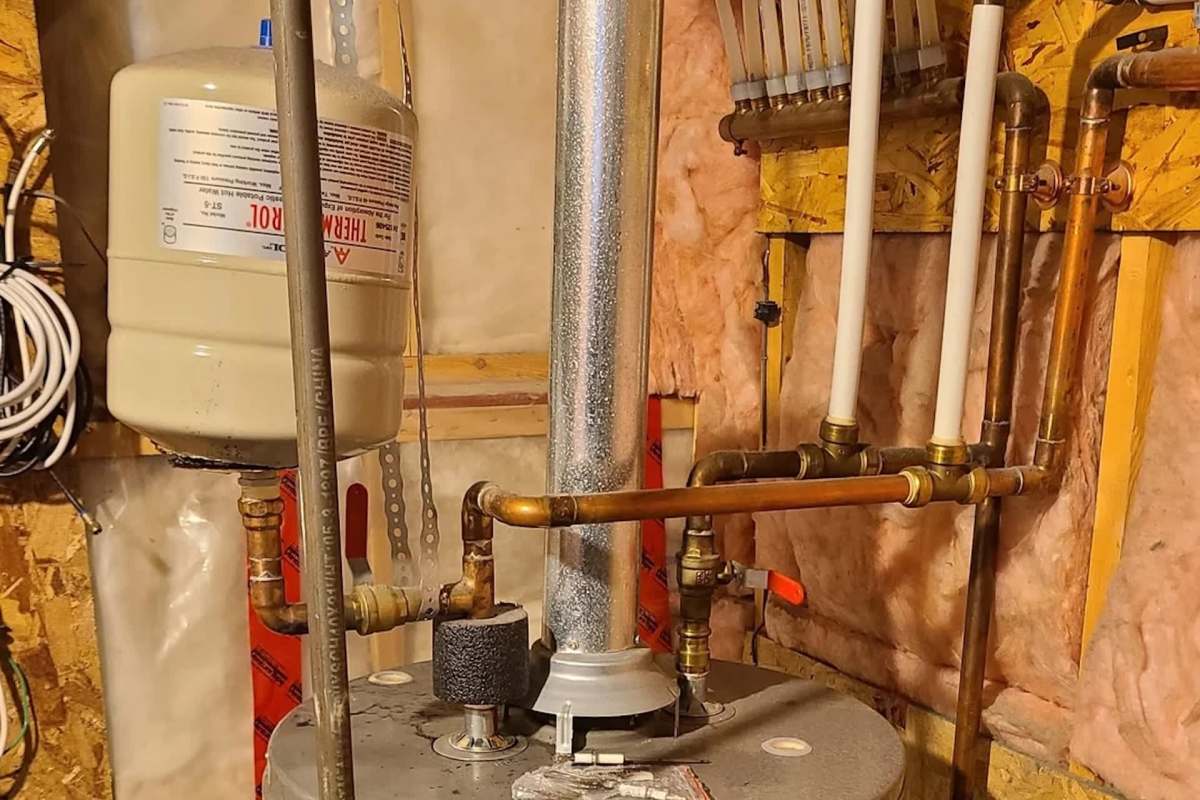
After an expansion tank on a water heater burst, a homeowner turned to Reddit with a basic question: If the existing tank's label looks upside down, does the replacement need to be mounted differently?
It is the kind of small home-maintenance mystery that can quickly turn into a bigger repair bill if you do not know what you are looking at.
And when a replacement is already on the table, it's also a good time to consider a more efficient water-heating setup that could lower utility costs.
Here's what to know
The original poster wrote, "Notice the label was upside-down, is it worth it to move the piping around to make the replacement sit the right way or was this installed correctly?"
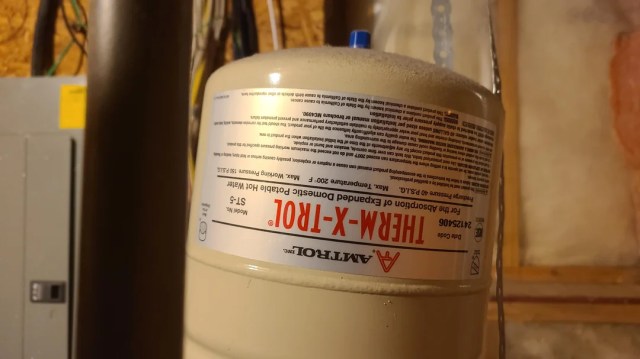

Replies focused less on the label itself and more on whether the setup was acceptable.
One commenter answered bluntly: "It's supposed to be upside down."
That user then explained the thinking behind it: "Liquid is a non-compressible fluid. Air on the other hand is a compressible fluid. The air trapped in the top of the tank acts like a dampener, where the hot water can compress it down if it needs immediate expansion, but then the air can re-expand once the need is gone. Similar to air in a balloon, but if you squeeze it too hard the balloon will pop. Your tank is the balloon and apparently it popped."
Another user later added a clarification: "It's not supposed to be upside down, it just doesn't hurt to be upside down."
Save $10,000 on solar panels without even sharing your phone number Want to go solar but not sure who to trust? EnergySage has your back with free and transparent quotes from fully vetted providers in your area. To get started, just answer a few questions about your home — no phone number required. Within a day or two, EnergySage will email you the best options for your needs, and their expert advisers can help you compare quotes and pick a winner. Solar panels can save you more than $50k over their 25-year lifespan, and EnergySage can help you save as much as $10k on installation. Which begs the question — isn't that worth an email or two? |

In other words, the label direction alone isn't enough to show the installation was wrong.
More background
Most homeowners do not pay much attention to an expansion tank until it fails, but the component is meant to handle the added pressure created when heated water expands.
Once one bursts, the issue is more than cosmetic. A failed tank can cause leaks, waste water, create pressure issues, and add wear to the rest of the system. Even a relatively minor component failure can bring cleanup costs, labor expenses, and the inconvenience of losing hot water.
So while a tank hanging "upside down" may look suspicious to someone without plumbing experience, the bigger concern is whether the system is operating safely and whether the replacement is installed properly and securely.
What can be done?
If an expansion tank fails, homeowners should have a qualified plumber confirm the correct replacement size, support, and pressure settings rather than focusing only on the label's direction. It may also be worth asking whether the water heater itself is nearing the end of its life and whether a higher-efficiency replacement would make better financial sense.
That is where Cala may enter the conversation. Cala makes customizable smart heat pump water heaters that help homeowners decrease their energy bills by heating water exactly when it's needed. For homeowners already facing repair or replacement work, that kind of targeted heating can turn a frustrating breakdown into a money-saving upgrade.
Because water heating accounts for a major share of home energy use, smarter equipment can have an outsized effect on monthly bills. A well-timed replacement can also reduce wasted energy from older systems that heat water less efficiently or at unnecessary times. For households hoping to cut long-term utility costs, a smart heat pump model from Cala could be worth comparing before installing another conventional unit.
Where can I learn more?
A burst expansion tank usually leads to a few bigger questions, from how to keep a water heater in good shape to whether it makes sense to upgrade the whole setup. These articles cover those next steps, with practical maintenance advice and examples of homeowners weighing more efficient options:
• Homeowners can keep their water heater running longer with a few basic maintenance steps.
• After hearing cagey plumbers' perplexing appliance advice, one homeowner reconsidered the whole hot-water setup.
For homeowners dealing with a failed tank, that mix of upkeep tips and upgrade ideas can make the next decision a lot clearer. Sometimes a simple repair is enough, and sometimes it is worth stepping back to take a closer look at the entire water-heating system.

Get TCD's free newsletters for easy tips, smart advice, and a chance to earn $5,000 toward home upgrades. To see more stories like this one, change your Google preferences here.