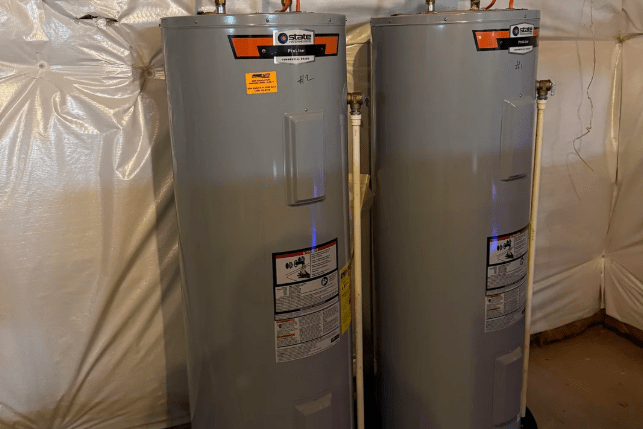
A homeowner with an unusually large hot-water setup asked a practical question that many battery-backed solar users may face: If one of two 50-gallon electric water heaters is rarely needed, does shutting the other off reduce energy use?
Turning off an extra tank may save only a few dollars a month, but switching from a standard electric resistance model to a heat pump water heater can deliver much larger utility bill savings over time.
Here's what to know
The issue came up in a Reddit thread from a two-person household trying to reduce demand on a whole-house battery system during outages. The homeowner said the 2018 build was outfitted with the two electric water heaters connected in series.
"We can comfortably get by on a single water heater," the original poster wrote.
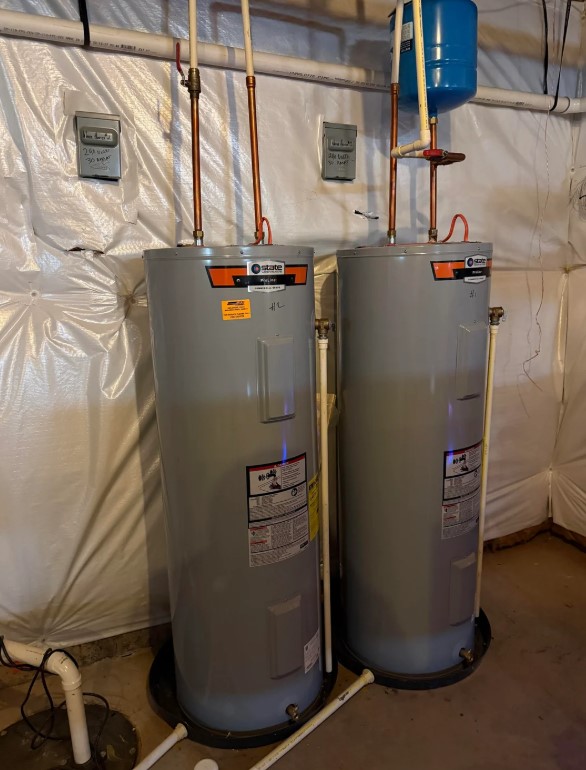
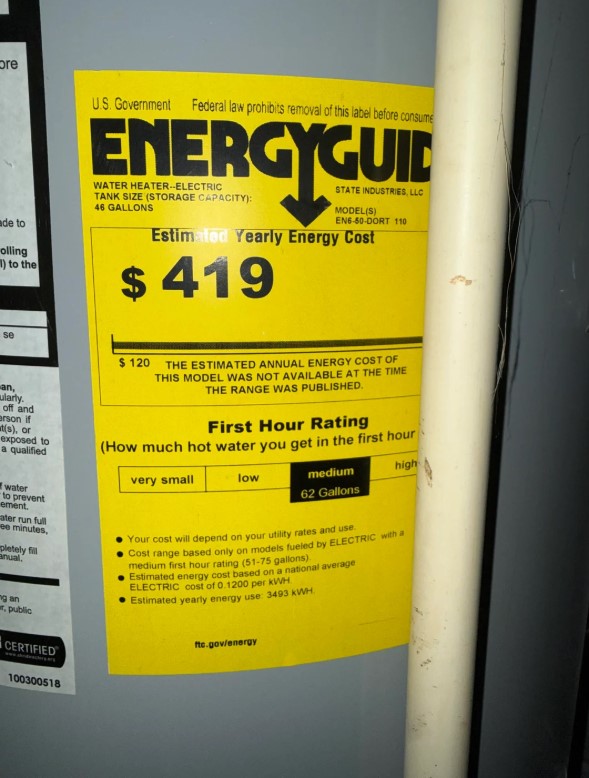
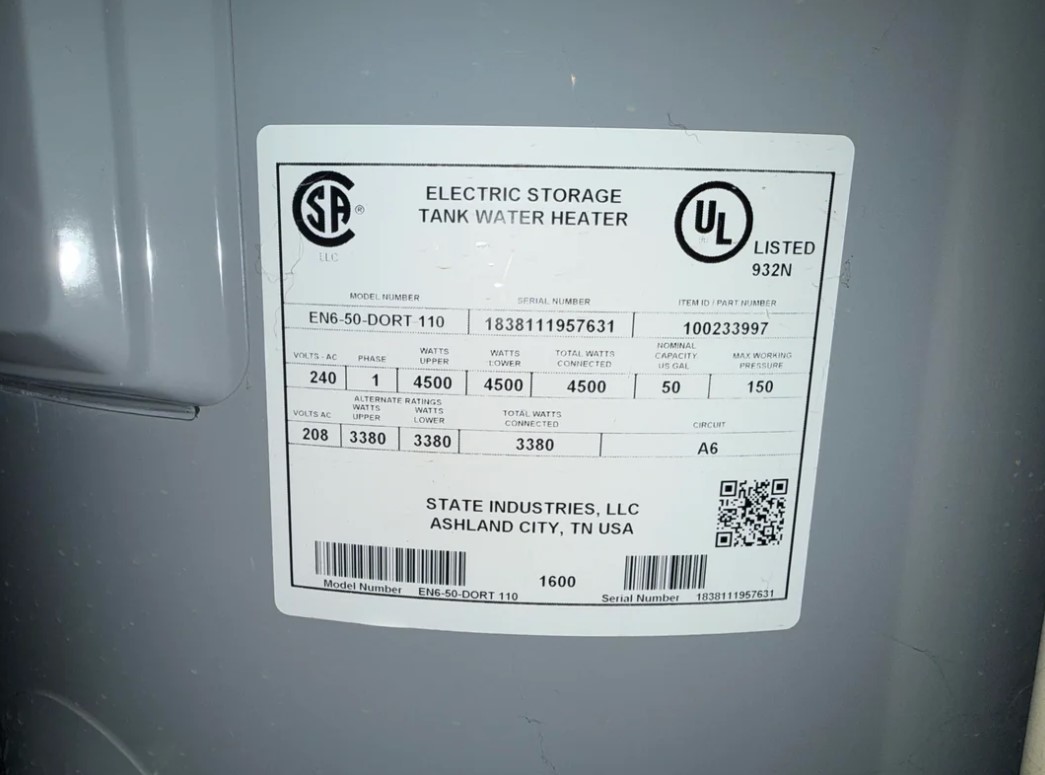
Commenters agreed that the second tank functioned more as extra capacity than as a major efficiency booster.
"Friends had the same thing in a new build about 15 years ago and shut one off. No issues," one user said.
Because the tanks were arranged in series, commenters said the main benefit of the second unit was that it handled spikes in hot-water demand. The first tank did most of the heating on incoming cold water, so unless the household used a lot of hot water at once, shutting one off may not change much.
Another commenter estimated the savings might be "maybe 5-7 bucks a month," reinforcing that this was a backup-power strategy rather than a dramatic cost-cutting measure.
Save $10,000 on solar panels without even sharing your phone number Want to go solar but not sure who to trust? EnergySage has your back with free and transparent quotes from fully vetted providers in your area. To get started, just answer a few questions about your home — no phone number required. Within a day or two, EnergySage will email you the best options for your needs, and their expert advisers can help you compare quotes and pick a winner. Solar panels can save you more than $50k over their 25-year lifespan, and EnergySage can help you save as much as $10k on installation. Which begs the question — isn't that worth an email or two? |

More background
Electric resistance water heaters are among the most energy-intensive appliances in many homes. If a household relies on batteries during an outage, cutting large, avoidable loads can stretch stored power.
The trade-off is capacity. A big soaking tub or several showers running at the same time can drain a single tank quickly, so a second heater can maintain comfort when demand surges. But in a home that rarely reaches those peaks, keeping another tank hot may simply add standby heat loss and store more hot water than the household really needs.
One commenter summed up the math this way: "You heat the same amount of water either way (if you use 100 gallons of hot water a day, you heat 100 gallons of hot water a day. Doesn't matter if in 1 or 5 tanks)."
If daily hot-water use remains the same, the main difference may not be the heating itself but the small additional losses from maintaining a second tank.
Oversize systems can provide resilience and convenience, but they do not always deliver meaningful efficiency gains.
What can be done?
The simplest move may be to test whether one tank can handle normal use, then confirm with a licensed professional that powering down a specific unit makes sense for that plumbing arrangement. Lowering the temperature setpoint slightly can also reduce standby losses without removing capacity.
For anyone ready to upgrade, Cala offers customizable smart heat pump water heaters that help homeowners lower energy bills by heating water exactly when it's needed. That kind of scheduling can be especially appealing in homes with solar panels and battery backup since it can reduce unnecessary demand while still keeping enough hot water on hand.
Heat pump water heaters can also save much more than simply switching off an extra resistance tank can. For homeowners weighing whether to keep an oversize dual-tank setup, a system from Cala could offer a more meaningful long-term solution.
Where can I learn more?
It helps to look at other ways to cut hot-water use and electricity demand. Water-heating upgrades and other everyday changes can ease the load on a home running on solar and batteries.
• Homeowners often find tankless water heaters cut energy waste by heating water only on demand.
• One homeowner showed how reusing gray water saved money without major lifestyle changes.
• In many homes, air-drying laundry can trim household electricity use more than expected.
The biggest payoff often comes from rethinking how a home heats water and how it uses power day to day. That's especially true during an outage, when every extra watt puts more strain on a battery-backed system.

Get TCD's free newsletters for easy tips, smart advice, and a chance to earn $5,000 toward home upgrades. To see more stories like this one, change your Google preferences here.