


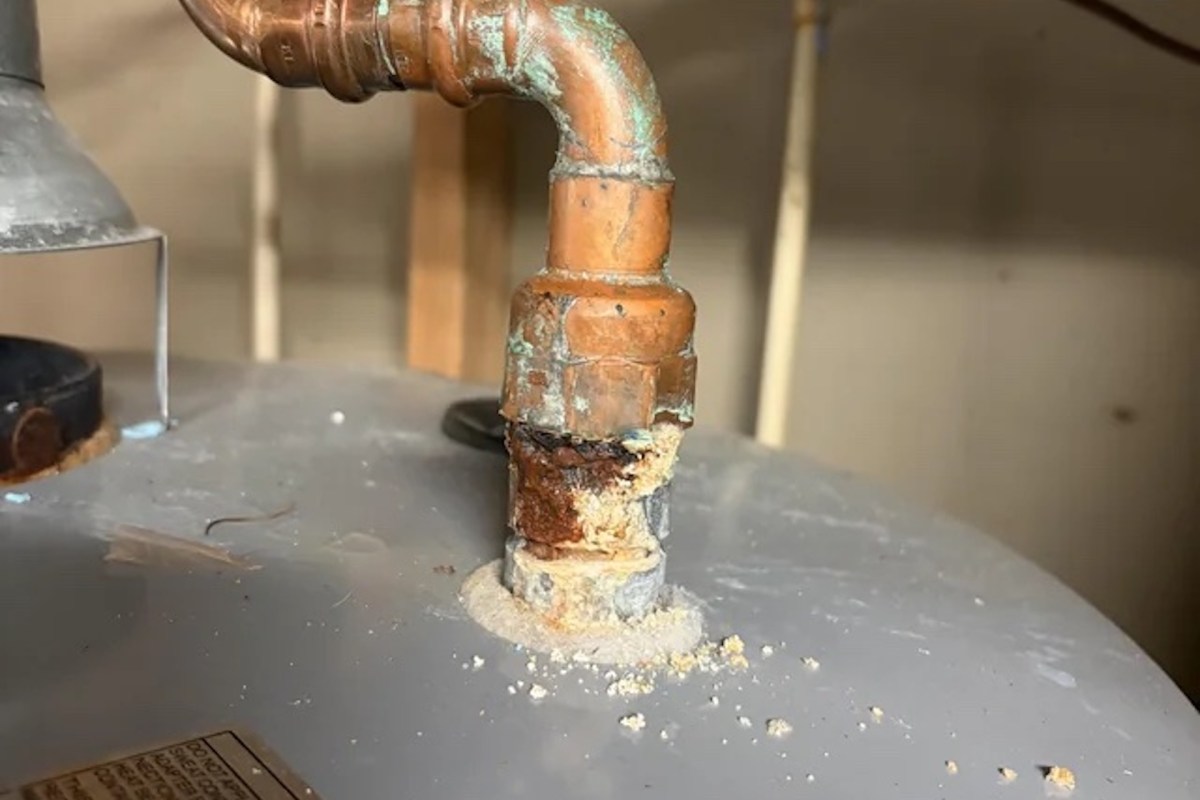
A six-year-old water heater with corrosion around one of its pipe nipples led a homeowner to ask whether the unit could be kept going a little longer.
Many of the responses suggested the bigger issue may be the home's water conditions rather than the name on the tank.
Here's what to know
The question appeared in a post on Reddit's r/AskPlumbing, where the original poster wrote, "I wanted to know if there was anything I can do to extend the life of this water heater with corrosion on the nipple? It is not leaking yet."
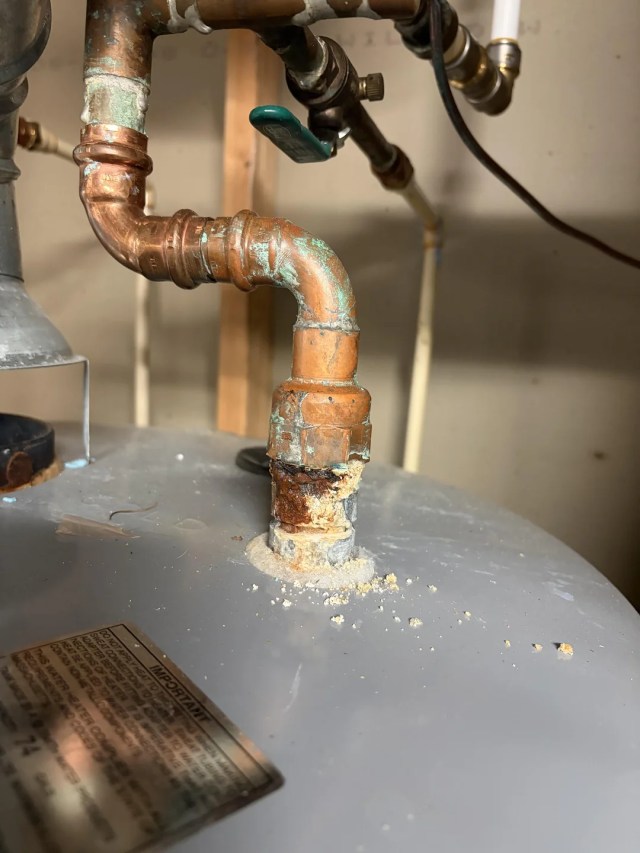
The poster also said, "Water heater is six years old. I was hoping to extend the life a couple more years if possible before replacement."
Early replies treated six years as relatively young for a water heater and pointed toward water quality as a possible factor. One commenter responded, "Replacement of that pipe. Might want to check into a water softener as well. Six years is nothing to a water heater."
Another commenter described water hardness as a major factor in how long tanks last in some areas, writing, "Where I am a water heater life expectancy is 8-12 years due to the hardness of the water. BUT water softeners are also hard on equipment. Think about it, salty water plus metal=corrosion." The same reply also noted that sediment buildup and neglected anode rods can reduce a tank's lifespan.
TCD Picks » Quince Spotlight
💡These best-sellers from Quince deliver affordable, sustainable luxury for all




More background
Once a minor rust spot turns into a leak, the expense can grow beyond a simple repair. A homeowner could be looking at replacement, installation, and possibly cleanup related to water damage.
Some replies backed up the softener idea with firsthand experience. One commenter said a softener had made a noticeable difference in other parts of the home, writing, "Installing a water softener helped tremendously, and the anode in the water heater doesn't get eaten up as much."
Still, not everyone thought hard water was the only explanation. One commenter said the way the lines were connected could be part of the problem. "The real issue here is that you have copper connecting to galvanized steel," they said. "Whoever installed this isn't knowledgeable about what happens when you connect these two metals together. Anyway, you need brass between them or a dielectric union or really anything that completely separates the two." Other users then debated whether dielectric protection was missing or already built into the heater components.
In other words, corrosion on a water heater can have multiple causes, including hard water, worn components, or how different metals were joined during installation.
What can be done?
Overall, the thread's advice centered on replacing the corroded pipe connection and getting a professional opinion on whether hard water, sediment, or contact between dissimilar metals is accelerating the damage.
If hard water is behind the issue, a water softener may help far beyond the tank itself. It could also cut scale buildup in showers, faucets, and appliances, potentially reducing maintenance costs and helping avoid an earlier-than-expected replacement.
Commenters also raised maintenance practices that matter for newer tanks. One wrote, "Definitely also check your anodes annually. That is the #2 way to ensure the most life out of your tank." At the same time, the discussion warned against flushing an older tank if it has never been maintained, because disturbing accumulated sediment could trigger a leak.
Where can I learn more?
A rusted fitting usually raises bigger questions about maintenance, water chemistry, and when a repair stops being worth it. The articles below look at those issues from a few angles, including softeners, anode wear, upkeep habits, and newer water heater options.
• Homeowners found whole-house softeners can kill tanks when anodes wore out and corrosion spread.
• A homeowner weighed replacement options for a corroded heater as tankless upgrades started looking tempting.
• Many households found heat pump water heaters cut energy use while replacing aging tanks.
Each one adds context to what corrosion around a fitting can mean, whether the issue traces back to water quality or a tank nearing the end of its run. For homeowners, that can make it easier to decide between a repair, regular maintenance, or planning for a replacement.

Get TCD's free newsletters for easy tips, smart advice, and a chance to earn $5,000 toward home upgrades. To see more stories like this one, change your Google preferences here.






