


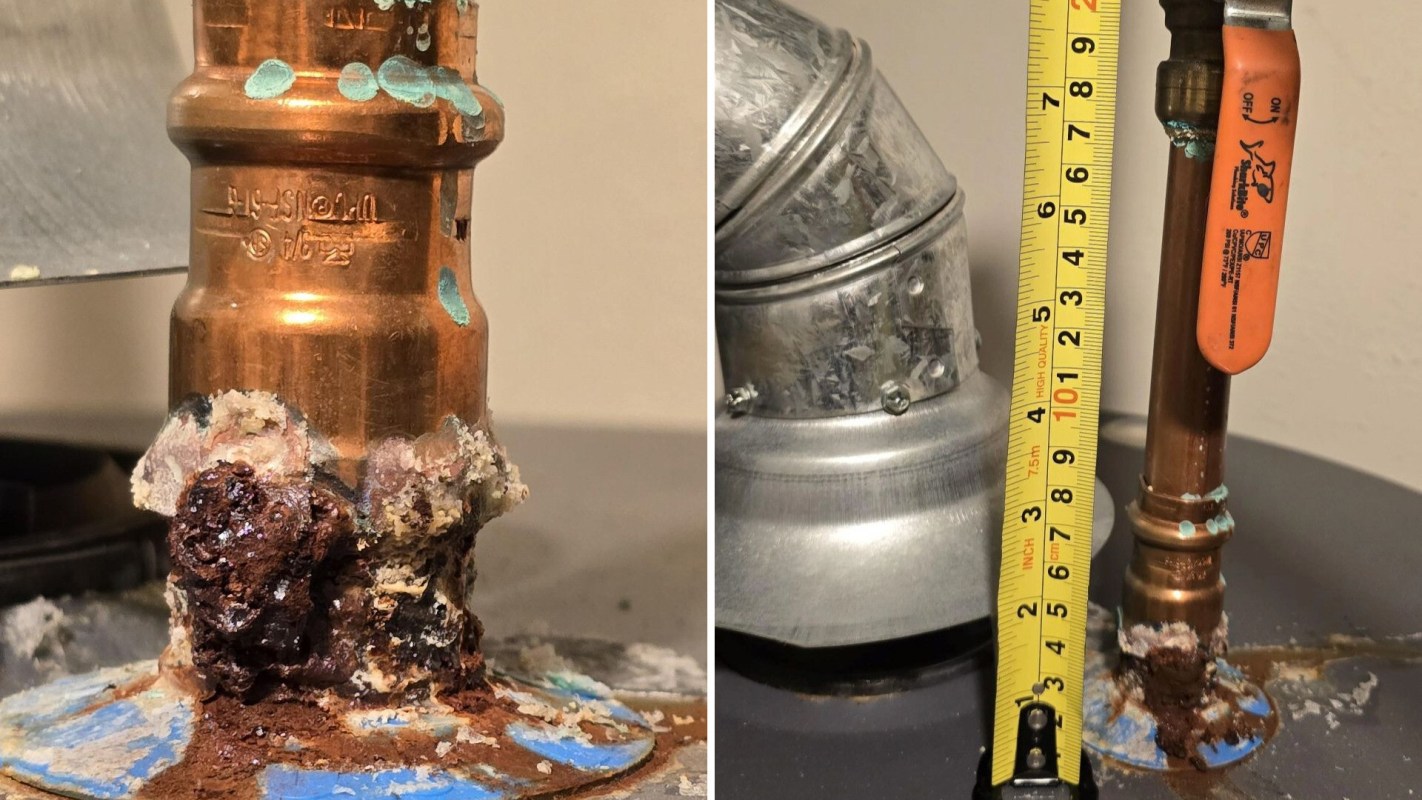
After noticing corrosion at the top of a five-year-old water heater, one homeowner went to the r/askaplumber subreddit to find out whether the damage was minor or a warning sign of a bigger problem. Plumbers in the thread said it could point to more than ordinary surface rust.
Here's what to know
The homeowner posted the question on Reddit with an image of the damage.
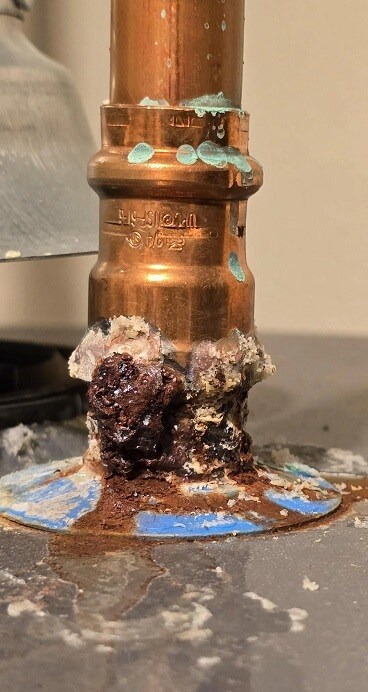
"Had this AO Smith water heater installed 5 years ago," they wrote. "It has a 9 year warranty. Noticed this corrosion last night. Can just this portion be replaced? Or does the whole heater need to be replaced?"
Several commenters pointed to the same general issue. The corroded spot was at a joint plumbers often see deteriorate over time where different metals come together.
"That is a common failure point," one commenter wrote. "Even with dielectric unions that area will still corrode over a period of time."
Other replies put more blame on how the unit was installed.
One poster countered: "Bad install. They should have used a dielectric press fitting. The contractor should warranty it....."
If a water heater does need to be replaced, there can be a financial upside to choosing a more efficient model. Upgrading to a heat pump water heater can cut water-heating costs substantially, and some households may save around $550 per year compared with a standard electric resistance unit.
Save $10,000 on solar panels without even sharing your phone number Want to go solar but not sure who to trust? EnergySage has your back with free and transparent quotes from fully vetted providers in your area. To get started, just answer a few questions about your home — no phone number required. Within a day or two, EnergySage will email you the best options for your needs, and their expert advisers can help you compare quotes and pick a winner. Solar panels can save you more than $50k over their 25-year lifespan, and EnergySage can help you save as much as $10k on installation. Which begs the question — isn't that worth an email or two? |

More background
A small drip at the top fitting can stain pipes, wear away components, and eventually cause costly water damage, especially in a finished basement or utility closet near stored belongings.
The discussion included a range of possible causes. Some commenters mentioned electrolysis or an installation problem, while others raised condensation or hot flue gases spilling onto the cold-water line.
"Check your sacrificial anode, the reason they are in water heaters is to keep this from happening," another commenter suggested/
That kind of issue may also fall outside what homeowners assume a warranty will cover. A nine-year warranty can sound reassuring at the time of purchase, but fittings, nipples, unions, and installation choices can fail sooner and may not qualify as a tank failure.
Even when the repair is relatively minor, waiting too long can turn a simple part replacement into a flooded room and a much larger bill.
What can be done?
A plumber can inspect the corroded nipple, fitting, and dip tube connection to confirm whether the leak is coming from the joint, the pipe above it, or the tank opening itself. If it's actively dripping, moving quickly can help prevent structural damage and mold issues.
If the tank itself is still in good shape, the repairs suggested in the thread focused on replacing the corroded part and improving the connection hardware.
If a full replacement makes more sense, Cala offers a more efficient alternative. Its customizable smart heat pump water heaters help homeowners decrease their energy bills by heating water exactly when it's needed. That can reduce wasted energy while still delivering hot water when the household actually uses it.
Cala's approach also gives homeowners more control over timing and demand, which can be especially useful in homes trying to lower utility costs. For anyone already facing a water-heater decision, learning about Cala could turn an annoying repair into a longer-term money-saving upgrade.
Where can I learn more?
Other homeowners have encountered similar water-heater problems and the repair-or-replace decisions that come with them. There are some simple ways to preserve your water heater and ward off issues as long as possible.
• A failing anode and whole-house softeners can kill tanks faster than many homeowners realize.
• Simple flushing and inspection habits can keep your water heater running longer.
• An outdated unit sputtering during renovations drew plumbers who sounded off on the setup.

Get TCD's free newsletters for easy tips, smart advice, and a chance to earn $5,000 toward home upgrades. To see more stories like this one, change your Google preferences here.






