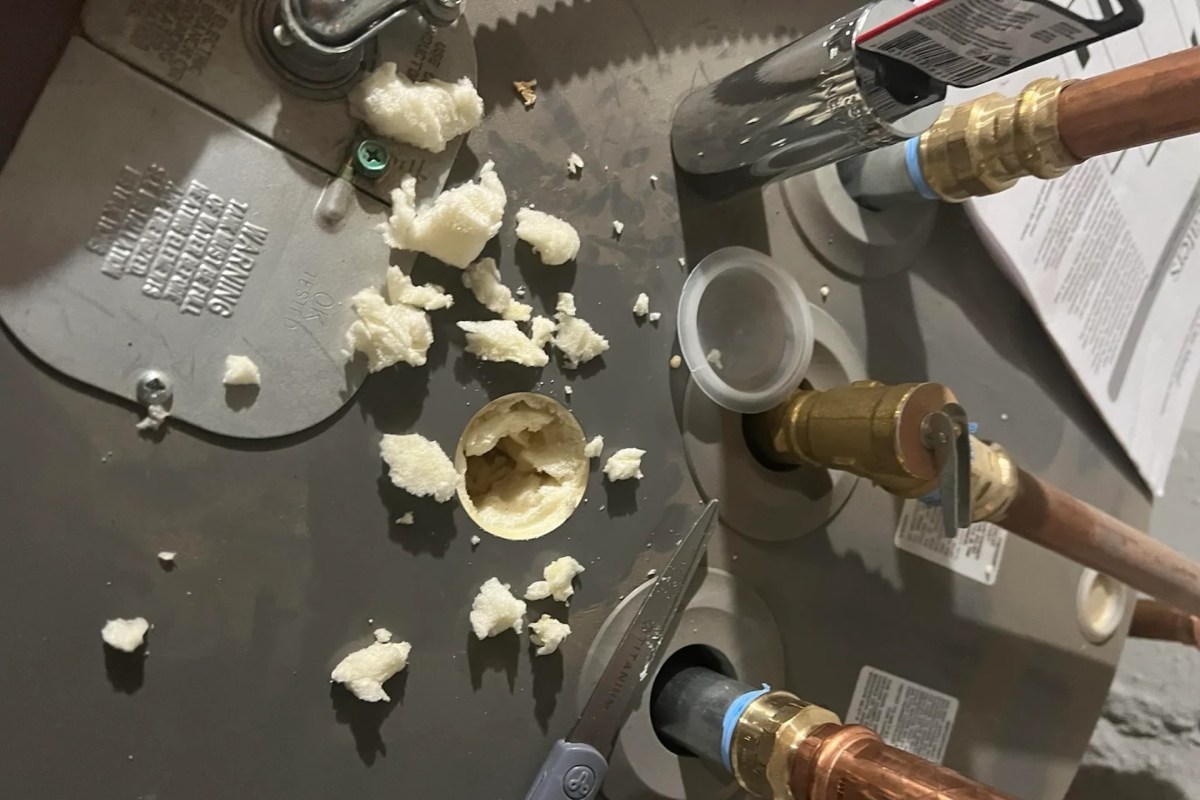
A homeowner trying to stay on top of routine water-heater maintenance ran into a surprisingly common problem: the anode rod meant to protect the tank from corrosion seemed buried under insulation and nearly impossible to find.
An anode rod is one of the cheapest components that can help extend a water heater's lifespan. Upgrading to a heat pump water heater can also cut utility costs by lowering one of the biggest energy expenses in many homes.
Here's what to know
In a Reddit thread, a homeowner describing upkeep on two hot water tanks said, "I'm trying to be a good homeowner and drain and upkeep my hot water tanks (I have two)."
The problem came after the first tank was drained. Even with a replacement rod and the proper socket on hand, the poster still could not locate the anode in the spot shown in the manual.
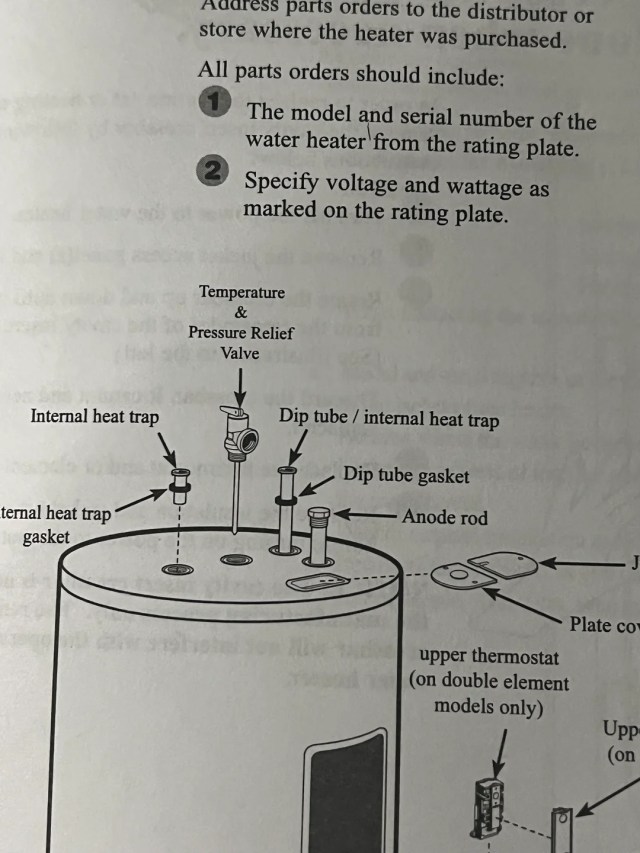
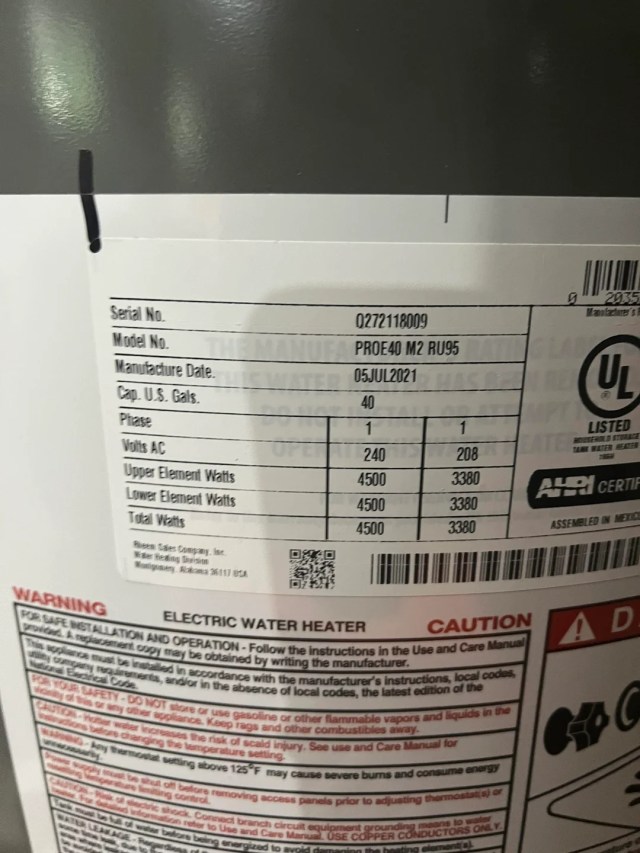
Instead of an obvious access point, the top of the heater appeared to be packed with insulation foam, even though videos suggested that "it should be right there."
Later, after commenters weighed in, the homeowner returned with an update: "I managed to find it. It was in there under more foam than I thought."
Several replies suggested the frustration was hardly unique.
"Water heater manufacturers tell you that you should change them for maintenance but then make it nearly impossible to remove it," one commenter wrote.
Save $10,000 on solar panels without even sharing your phone number Want to go solar but not sure who to trust? EnergySage has your back with free and transparent quotes from fully vetted providers in your area. To get started, just answer a few questions about your home — no phone number required. Within a day or two, EnergySage will email you the best options for your needs, and their expert advisers can help you compare quotes and pick a winner. Solar panels can save you more than $50k over their 25-year lifespan, and EnergySage can help you save as much as $10k on installation. Which begs the question — isn't that worth an email or two? |

Another commenter also offered a quick workaround for digging through the insulation: "Hole saw and a flat head. Cut a perfect hole in the insulation in .2 seconds and use the deep socket to remove. Done."
More background
Anode rods are sacrificial metal components designed to corrode before the inside of the tank does. Replacing one before it is fully spent can help delay rust and leaks, potentially extending the life of a conventional tank water heater by years.
A replacement anode rod may cost relatively little, while replacing a failed water heater can cost far more once you factor in labor and installation.
The thread also showed that access can be complicated even after you know what to look for. Some commenters said certain water heaters hide the anode beneath insulation or integrate it with the hot-water outlet, which can make a simple maintenance task more involved.
What can be done?
For people planning a future replacement instead of squeezing more life from an aging tank, Cala offers another path. Its customizable smart heat pump water heaters help homeowners decrease their energy bills by heating water exactly when it's needed. That means less wasted energy from keeping large volumes of water hot around the clock when nobody is using it.
A heat pump water heater can already reduce electricity use compared with a conventional electric resistance model, and smarter scheduling can improve those savings further. For households with regular shower, laundry, or dishwashing patterns, that kind of precision can translate into meaningful monthly bill relief. In that sense, keeping an old tank running efficiently and considering a smarter replacement like Cala are both ways to spend less over time.
Where can I learn more?
The frustration this homeowner experienced while digging through insulation reflects a common theme across many household plumbing repairs. Practical habits and troubleshooting methods can help homeowners prevent expensive service calls while reducing energy and water waste.
• A home expert shared critical water heater tips that can help homeowners avoid costly replacements.
• A realtor demonstrated a blue-dye toilet test that can expose silent utility-bill drains.
If anode-rod maintenance is already on your radar, this kind of advice can make the next fix much less frustrating — and potentially much cheaper. It's also a good reminder that a quick check now can head off a much bigger water-heater or plumbing problem later.

Get TCD's free newsletters for easy tips, smart advice, and a chance to earn $5,000 toward home upgrades. To see more stories like this one, change your Google preferences here.