


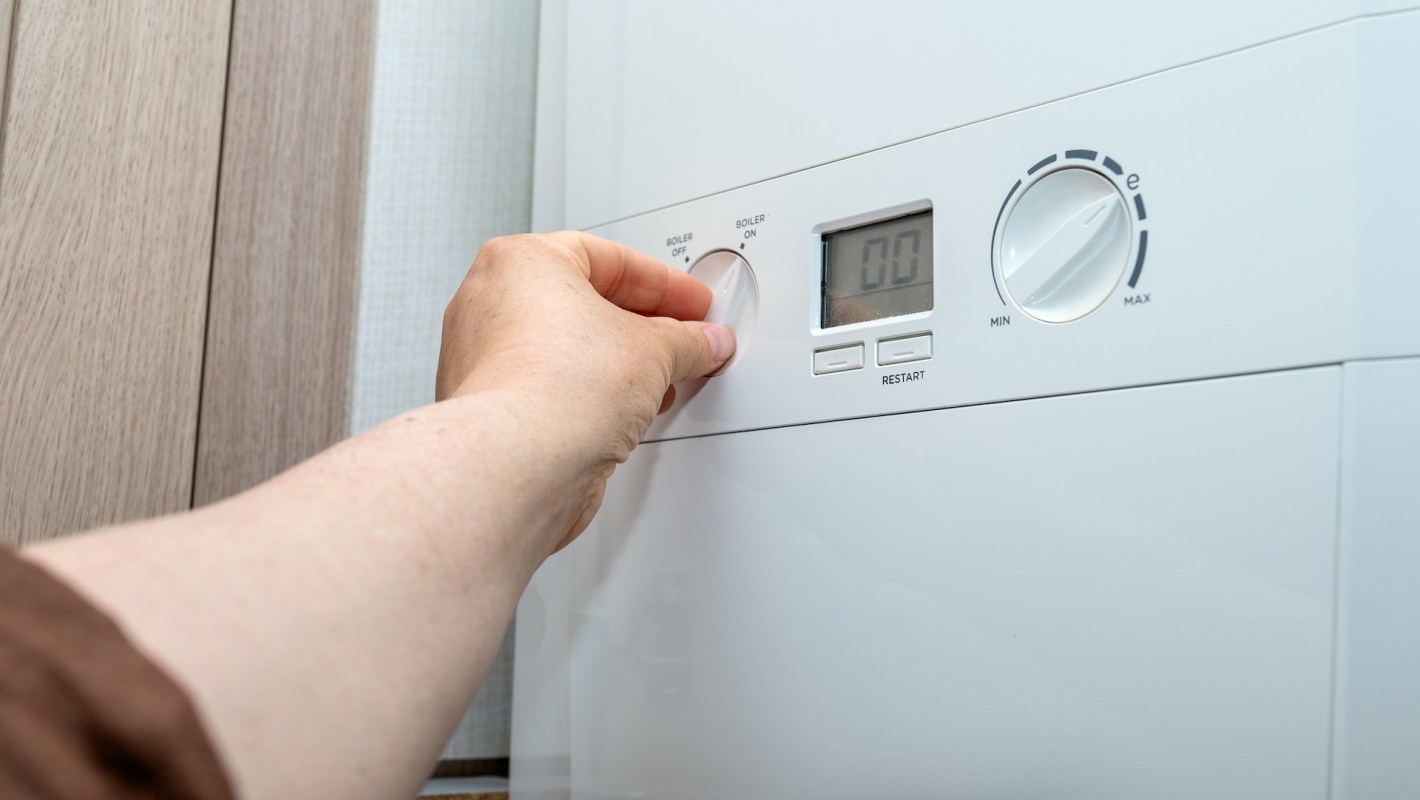
A homeowner looking to lower electric bills drew safety warnings after revealing they had turned their water heater down to 116 degrees.
Crackling sounds and an unusual smell had also left the homeowner wondering whether to replace the 11-year-old appliance.
Here's what to know
In a Reddit post, the owner of the 1950s house asked whether to keep using the aging heater or replace it before it failed. A replacement was expected to cost around $800, with a tight installation space limiting the available options.
While that part of the conversation drew plenty of feedback, their settings also raised eyebrows. One person called the noises "normal" but wondered about the smell.
"It should be hot enough that no bacteria grow. What temperature is it set to?" they asked.
"It's set to 116," the original poster wrote. "I used to have it around 120 or higher, but my electric bill for a few months was upwards of $500. I lowered the temp because it seemed to lower the cost too — and the water is still very hot and to my liking!"
Several commenters warned about the potential for bacterial growth.
"116 is low enough that you risk Legionnaires' disease," one explained.
Crushed by your bills? See instant solar savings from vetted installers in just a few clicks With energy prices through the roof, there's never been a better time to go solar — and EasyHome can help you find the best prices from the best installers in your area. EasyHome takes the guesswork and headaches out of energy upgrades by showing you estimated savings from a network of vetted local partners. To get started, just enter your ZIP and share a few details about your home — seeing your estimate is really that easy. |

For households considering a replacement, heat pump water heaters offer another way to manage energy costs. Instead of relying solely on conventional electric resistance heating, these appliances move heat into water, allowing them to provide hot water with less electricity.
More background
A commenter explained that the heater reheats stored water as it cools. The thermostat activates the heating elements when the temperature falls below the selected setting, even if no one has used hot water.
"Your water heater will still kick on even if no water is used," they clarified.
One commenter asked about hard water and whether the supply of hot water lasted through showers. Others suggested the crackling could come from mineral buildup, with one describing calcium deposits at the bottom of the tank.
What can be done?
Two commenters said they had replaced their heaters after 23 and 33 years, though another considered 11 years close to the end of a tank's life.
"I have mine set at 140 because we have an immunocompromised family member. 120 is the minimum," a user shared. "That's probably the source of the smell."
To investigate the smell and noise, commenters advised testing the water quality, flushing sediment from the tank, and inspecting the anode rod to see whether it needed replacement. If the problems persisted, there was always the potential of replacement.
For someone exploring an upgrade, Cala offers configurable smart heat pump water heaters that can tailor water-heating schedules to household demand. Matching heating to when showers and other hot-water uses happen can reduce energy use and bills in a way that does not feature the risks of the homeowner's approach.

Get TCD's free newsletters for easy tips, smart advice, and a chance to earn $5,000 toward home upgrades. To see more stories like this one, change your Google preferences here.






