


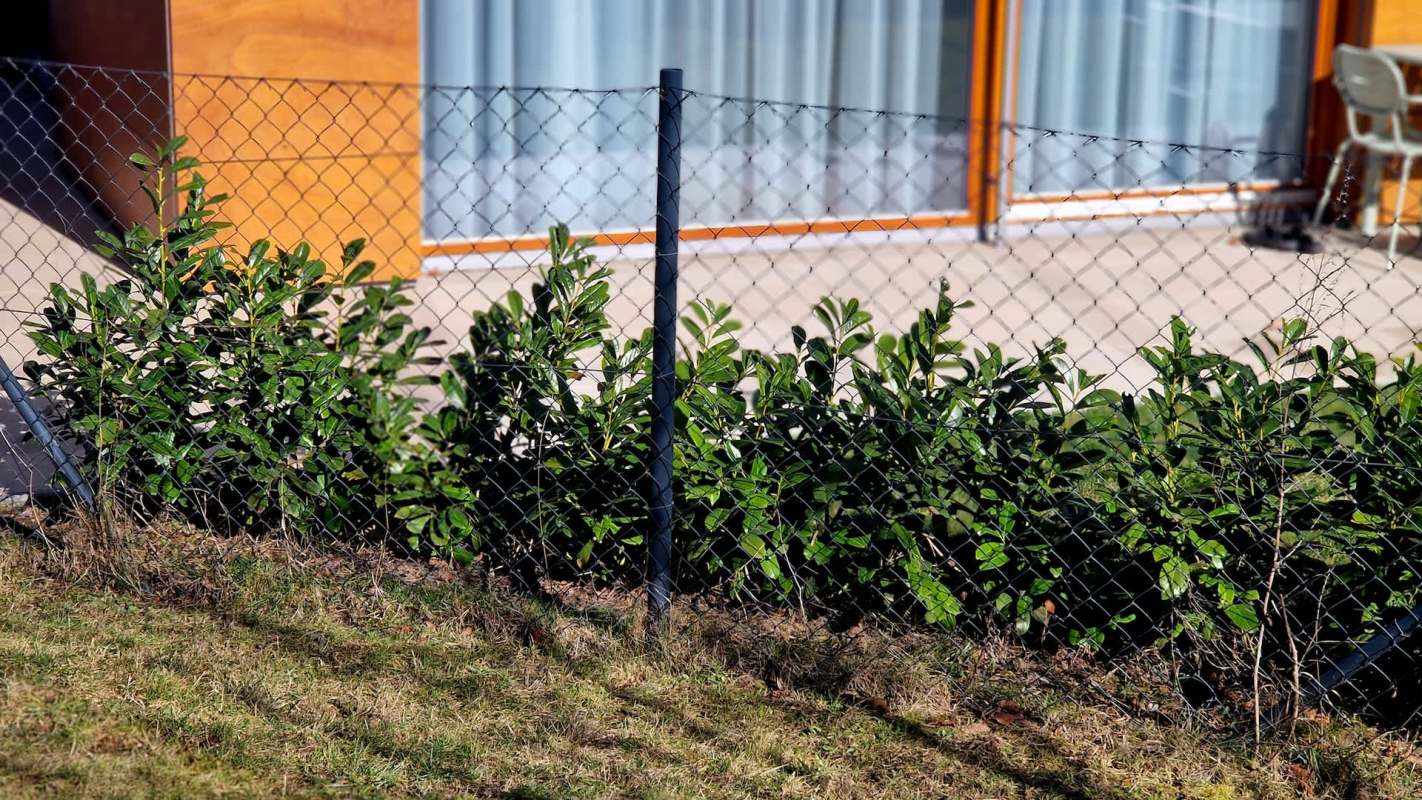
A fence or a bed of mulch may seem like an ordinary part of a yard, but researchers found these materials can give wildfires a direct path to a home—even one with fire-resistant walls.
The findings emerged from an investigation into Washington's costliest wildfire season.
Here's what to know
The Spokane Complex Fire destroyed about 900 structures and accounted for most of Washington's insured wildfire losses, Insurance Journal reported. Statewide, those losses were approaching $1 billion across roughly 3,500 claims.
Researchers from the Insurance Institute for Business & Home Safety surveyed 132 structures across nine areas to investigate how the Old Trails Fire spread through neighborhoods. That fire, part of the Spokane Complex, destroyed 615 structures and accounted for an estimated $665 million in insured losses.
In one instance, burning mulch ignited flammable materials behind noncombustible lap siding where the wall met the foundation, according to the IBHS report.
In another, a burning fence near a house, probably ignited by embers, exposed a vinyl-framed window to heat. The frame caught fire, and the exterior pane broke, though firefighters stopped the damage from spreading.
TCD Picks » Quince Spotlight
💡These best-sellers from Quince deliver affordable, sustainable luxury for all




More background
More than 65,000 people had to evacuate during the Spokane Complex fires. The fires began Aug. 1 and burned for 19 days.
Multiple outbreaks left firefighters without enough resources to defend every threatened structure, according to the IBHS report. Aerial images taken six hours into the fire documented the outbreaks burning simultaneously.
Beyond the immediate threat to public health and community safety, the destruction threatened livelihoods and economic stability. Washington's projected insured wildfire losses had climbed sharply from September's estimate of $600 million, Insurance Journal reported.
David Forte, a senior policy adviser at the Washington insurance commissioner's office, said the agency was monitoring insurers' responses.
Statewide homeowners claim costs had fallen from $2.19 billion in 2024 to roughly $1.67 billion in 2025. Cancellations and nonrenewals also declined, dropping from 34,573 to 29,081.
What can be done?
Washington's insurance commissioner's office is encouraging adoption of the IBHS Wildfire Prepared Home standards to lower wildfire risk in vulnerable communities.
Forte emphasized the importance of maintaining a noncombustible zone extending five feet around a house, limiting opportunities for embers to ignite nearby materials.
In the Old Trails investigation, researchers found signs that embers had ignited vegetation or other ground cover near wooden supports beneath decks, allowing fire to spread upward toward the deck surface, according to the IBHS report. Placing the supports on concrete bases could lessen that vulnerability.
A stone-veneer wall exposed to fire did not ignite, perhaps because flashing along the bottom shielded flammable components behind it.
"The commissioner is taking the effort to try to educate everybody that we can't insurance our way out of this," Forte said. "We need to figure out how to mitigate our way out of this."

Get TCD's free newsletters for easy tips, smart advice, and a chance to earn $5,000 toward home upgrades. To see more stories like this one, change your Google preferences here.






