


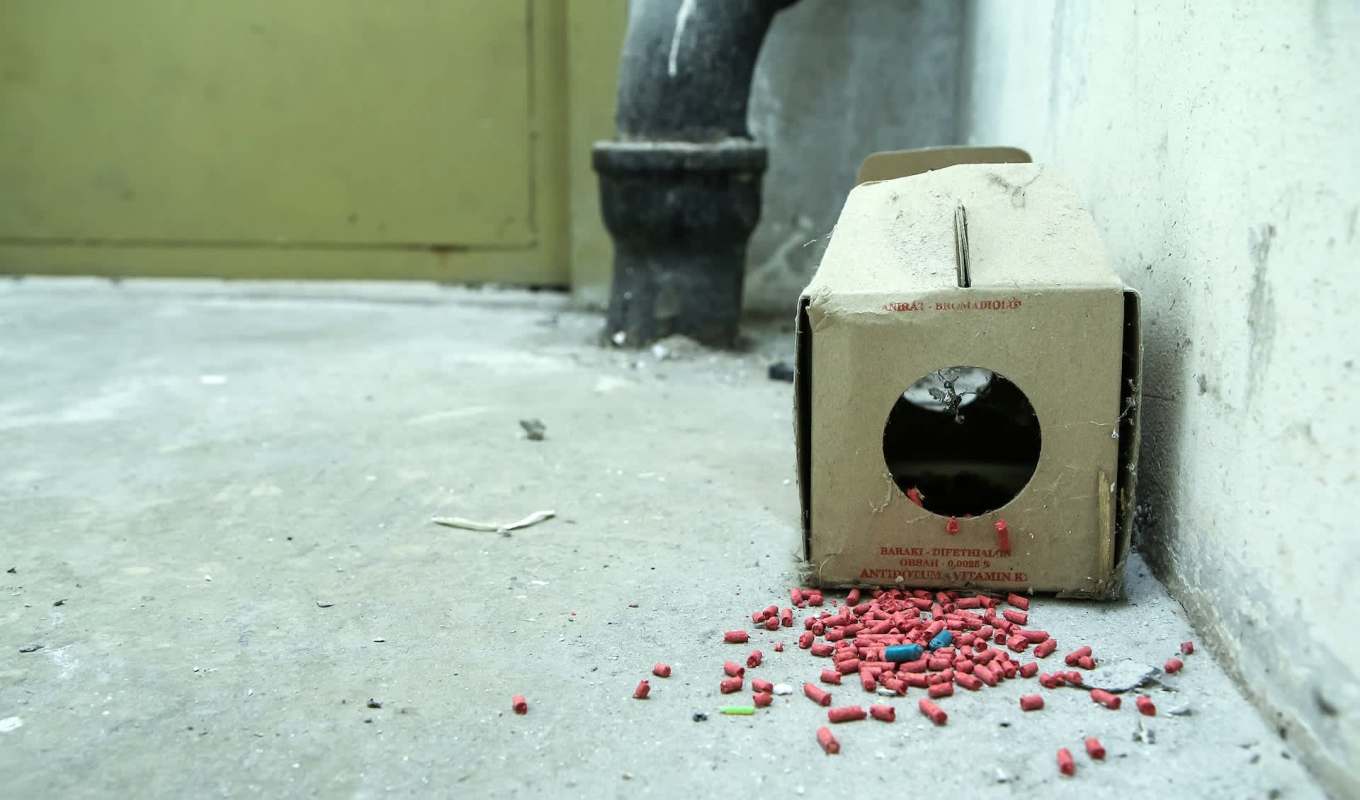
Washington, D.C., is weighing two rat-control bills that target both the conditions that attract rodents and the way residents respond to them.
The proposals would also tighten access to rat poison for home use after city officials linked 12 child hospitalizations to do-it-yourself rodenticides, WJLA reported.
Here's what to know
Rising complaints about rats in neighborhoods, alleys, and commercial corridors have prompted D.C. leaders to consider new restrictions.
The measures under review focus on reducing rats' access to food and garbage while limiting private rodenticide use.
At-large Councilmember Christina Henderson's Rodent Education and Management Yields — or "REMY" — Results Amendment Act would direct funding toward rodent-proof trash cans in high-traffic public spaces.
She noted that the bill targets the "low-hanging fruit" by making food waste less accessible to rats.
TCD Picks » Quince Spotlight
💡These best-sellers from Quince deliver affordable, sustainable luxury for all




It would also rein in household poison use. Henderson said rodenticide-related incidents sent at least 12 children to the hospital in 2025.
"Most people don't realize that rodenticide might take a week or two in order for it actually to work once it's digested by a rat," Henderson explained.
"If you were to pour rodenticide in this alley, and it were to rain, it doesn't just stay in that area. It's now entering into the waterways."
More background
Pressure for action is high because many residents want faster results.
While touring Petworth with a WJLA reporter, Henderson pointed to trash cans in the alley behind the Petworth Recreation Center that rats had chewed through, turning damaged bins into easy feeding spots.
Some rodent-proof cans are already operating in places such as Georgetown and the Wharf, but those installations were privately funded. Expanding similar containers more broadly, especially into residential areas, is a tougher and more expensive step.
Not everyone agrees on how the city should proceed.
Supporters claim restricting public access to dangerous poison could better protect children, pets, and waterways while moving D.C. toward safer pest-control practices, whereas critics argue that residents dealing with infestations need more effective options, not fewer.
At one community meeting mentioned by WJLA, a resident pushed back on the District's rat birth control effort and argued for poison instead.
Officials say that kind of fast chemical response can carry its own risks.
What's being done?
The current approach combines several tactics: stronger trash containment, tighter rules for consumer poison, and continued use of rat birth control.
Henderson said the city has learned that rat control does not have a one-size-fits-all answer.
Officials say rodenticides can endanger more than rats, exposing children, harming pets, and washing into waterways after rain. Rodent-proof trash cans address the problem earlier by cutting off food sources before infestations expand.
Under the proposal, the riskiest poison-based control methods would be left to professionals while the city keeps investing in prevention. Officials are still working on how to expand rodent-proofing options to residences.
Safer, more secure waste systems could reduce rat activity around homes, playgrounds, and sidewalks while also lowering the chance that families are exposed to toxic chemicals as they try to handle the problem themselves.
Henderson described the approach plainly.
"We know that residents really want us to tackle these residential trash cans, which is a bit more of an expense. We don't necessarily have a full solution there yet," she conceded.
"But what we have learned, and I've learned a lot about rodents, is that it's not a one-size-fits-all solution. This is certainly not a sprint; it's more of a marathon."
Where can I learn more?
D.C.'s fight over rat poison is part of a broader debate over who should have access to potentially dangerous products, especially when children could be exposed.
Elsewhere, lawmakers are weighing similar public health trade-offs as they consider bans and tighter rules on common consumer chemicals.
• In Connecticut, lawmakers pushed a ban on a weed killer linked to child health concerns.
• In Brazil, lawmakers moved to lift pesticide restrictions in the Amazon despite poisoning warnings.
• In California, lawmakers proposed a first-of-its-kind ban on disposable vapes over youth safety fears.
Each of these fights shows how fast everyday products can turn into larger arguments about health, safety, and environmental exposure.
That helps put D.C.'s rat-control debate in context, especially as officials scrutinize the dangers that can come with do-it-yourself poison use.

Get TCD's free newsletters for easy tips, smart advice, and a chance to earn $5,000 toward home upgrades. To see more stories like this one, change your Google preferences here.






