


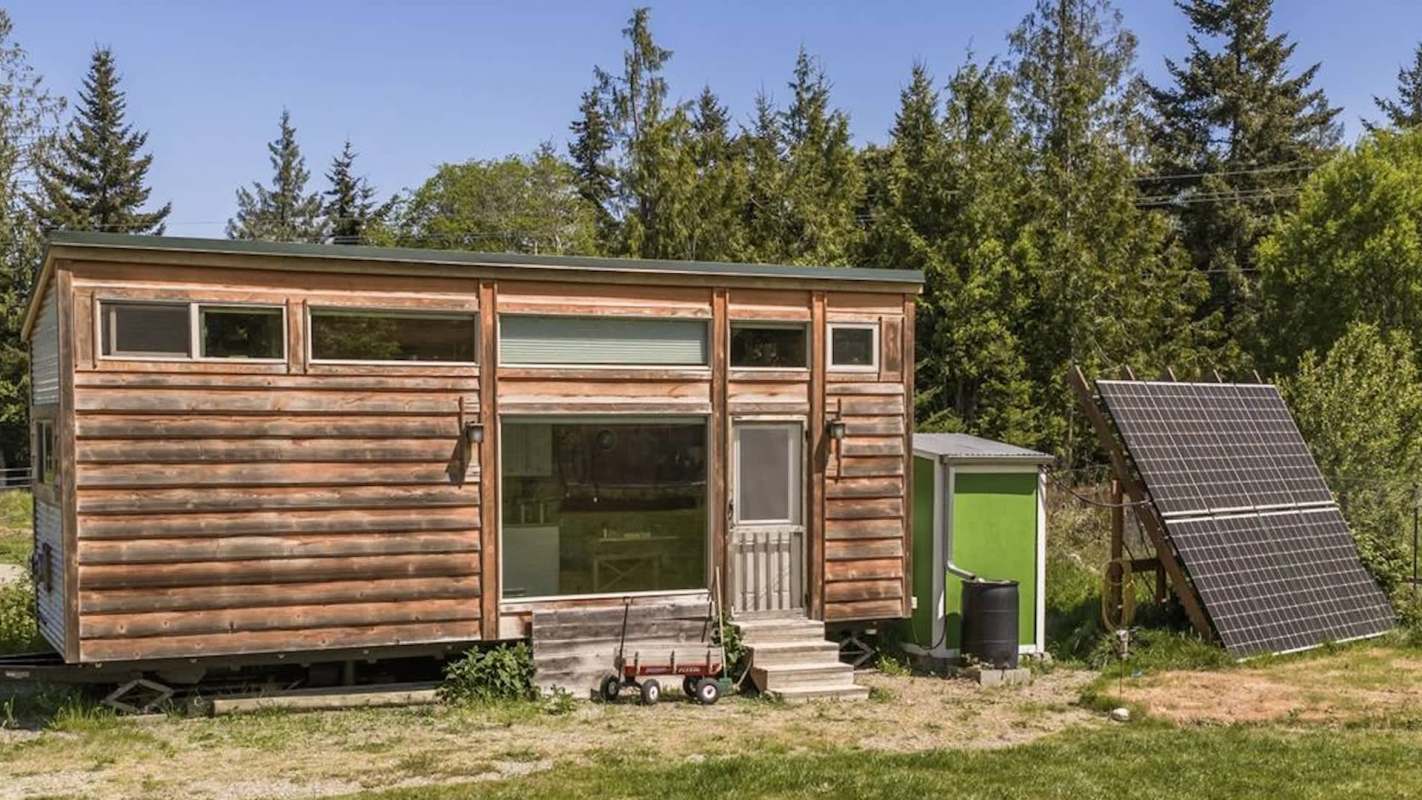
For one Washington family, a 290-square-foot tiny house was more than a minimalist experiment — it was a financial reset that helped them live without a mortgage for nearly eight years.
After raising their daughter in the compact home, they're moving on because the space no longer meets their family's needs.
Here's what to know
For nearly eight years, Washington homeowner Allison Williams and her family lived without a mortgage in a 290-square-foot tiny house where they raised their daughter. According to Tiny House Talk, that chapter began after they sold their 927-square-foot home in Portland, Oregon, and bought land near Port Angeles, Washington.
After their daughter was born in 2016, the family was dealing with expensive child care and work schedules that rarely lined up. Washington also offered Williams a faster path to her counseling license. That made the relocation part of a broader push for greater stability, not just a move to a smaller space.
Going mortgage-free can free up income for child care, career changes, or savings, especially as housing costs continue to strain household budgets. Now that their daughter is a teenager, the family decided that the tiny house no longer met their needs.
While the family gets ready for its next chapter, Tiny House Talk said the land has already been sold to a buyer who owns a tiny house.
TCD Picks » Quince Spotlight
💡These best-sellers from Quince deliver affordable, sustainable luxury for all




More background
Tiny homes can reduce monthly housing costs, lower utility use, and give owners more flexibility, but they also require significant lifestyle adjustments around storage, privacy, and daily routines.
For families with children, those tradeoffs can become more noticeable over time. A tiny home may work well when a child is very young, but changing needs around sleep, study, and personal space can make the setup harder to sustain as kids get older.
The family's experience also reflects continued interest in alternative housing. For many people, a conventional house comes with steep monthly payments, ongoing maintenance costs, and less freedom to cut back work hours or make career transitions.
Tiny living is not the right fit for everyone, but a smaller home can function as a tool — not just a trend — for lowering fixed costs and creating more breathing room in a budget.
What can be done?
A tiny house is one option, but so is downsizing to a smaller apartment, buying a more modest house, or sharing land costs with family where local rules allow.
Zoning laws, parking rules, utility hookups, financing, and resale options can all shape whether a tiny home makes financial sense. What looks affordable upfront may become more complicated if the land situation is unclear.
For families, changing needs over several years can alter the equation. A home that works well for two adults and a toddler may feel very different once school, hobbies, and privacy become bigger priorities.
Williams' story suggests that a smaller, less expensive home can help a family through a demanding season with more financial flexibility and less pressure, even if the arrangement is temporary.
Before the move, the family's schedule left them feeling like "two ships that passed in the night" — a reminder that for many households, the value of cheaper housing is not just saving money, but creating a life that feels more manageable.

Get TCD's free newsletters for easy tips, smart advice, and a chance to earn $5,000 toward home upgrades. To see more stories like this one, change your Google preferences here.







