


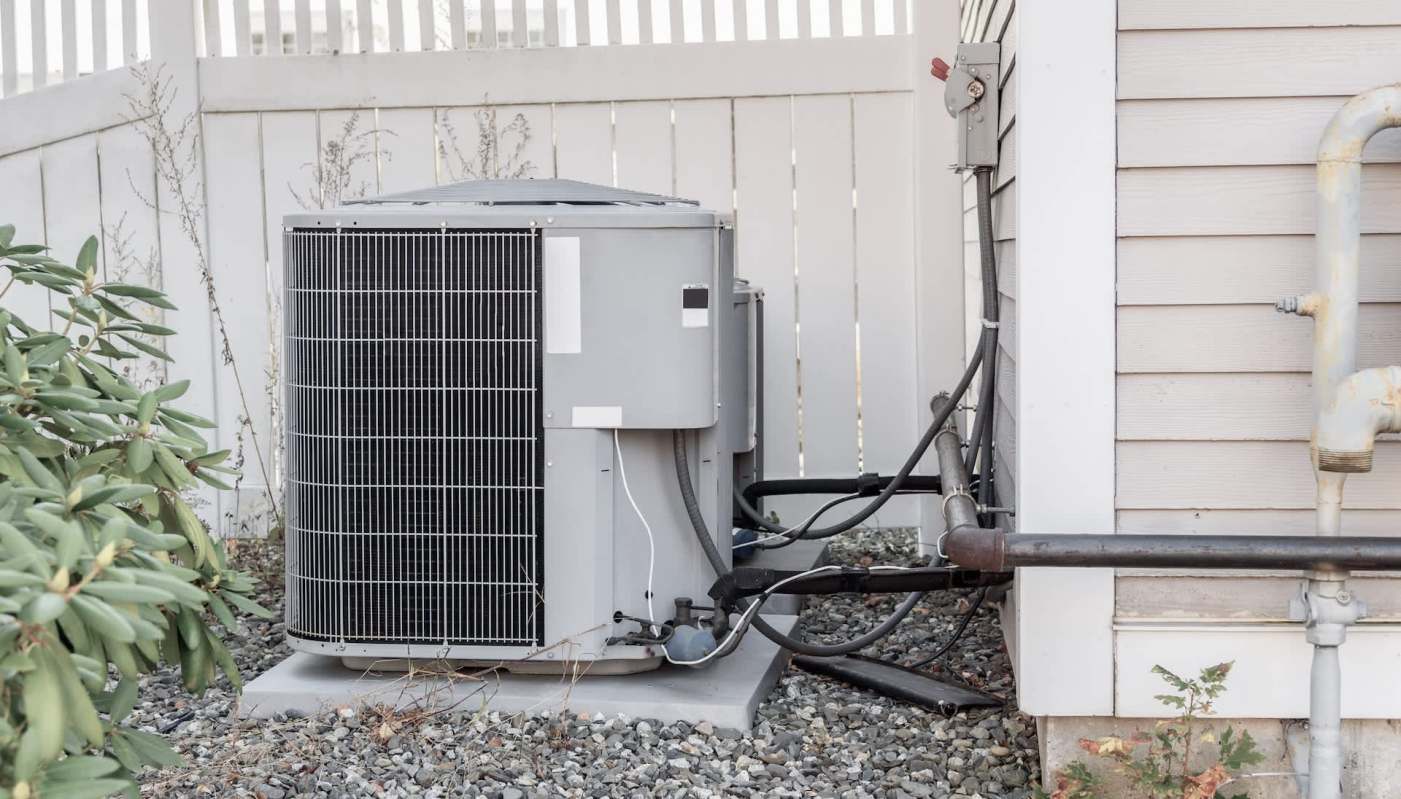
An HVAC replacement that initially cost $18,000 became another surprise expense for a Washington, D.C., homeowner when the system's compressor failed and the repair estimate topped $3,000 because only the part — not the labor — was under warranty.
Here's what to know
According to a Reddit thread, the resident said the unit serving their Washington, D.C., row home was installed in summer 2024, and the company determined the compressor was damaged and needed to be replaced.
The work estimate listed $3,149 for materials, 10 pounds of refrigerant, and labor for two technicians, with a 10% discount reducing the total to $2,834.10.
The owner wrote, "This seems crazy to me that we would pay $18k 2 years ago and now get hit with another $3k bill for something that should've lasted us 10 years."
For homeowners, that kind of fine print can be especially frustrating because upgrading heating and cooling remains one of the best ways to lower utility bills and protect against rising energy costs. Palmetto can help homeowners understand their HVAC options and lower energy bills with newer, more efficient HVAC systems and heat pumps, while its Comfort Plan network can connect them with vetted installers.
One of the first responses argued that price wasn't the only question worth asking. "Make sure the tech finds out what caused the compressor failure," the commenter wrote. "It's possible that it was just a bad compressor from the factory but typically there's a reason it failed this early."
The homeowner said the warranty terms were "10 year parts, 1 year labor," a split coverage that can still produce a hefty invoice even when the failed equipment is included.
More background
Many people in the discussion described the labor quote as anywhere from reasonable to a little steep, and one explained that compressor replacement can mean opening the system, checking the refrigerant circuit, pulling a vacuum, and recharging it. Still, several commenters said a compressor should not normally fail that soon.
Crushed by your bills? See instant solar savings from vetted installers in just a few clicks With energy prices through the roof, there's never been a better time to go solar — and EasyHome can help you find the best prices from the best installers in your area. EasyHome takes the guesswork and headaches out of energy upgrades by showing you estimated savings from a network of vetted local partners. To get started, just enter your ZIP and share a few details about your home — seeing your estimate is really that easy. |

The thread floated a range of possible explanations, from a defective compressor out of the factory to acid contamination, debris in the lines, or some other problem related to installation or startup.
Another common takeaway was that homeowners should pin down labor warranty terms before signing off on a system, rather than focusing only on parts coverage.
Examples in the comments showed how inconsistent those policies can be. One person said their company includes a 10-year labor warranty when customers keep up regular maintenance through them, while another said they can usually offer only one or two years depending on the brand.
What can be done?
After being urged to ask what caused the breakdown and to get fuller documentation, the homeowner followed up with the company and said the situation improved.
In an update, the homeowner said a conversation with the company's owner ended with the owner saying the labor would be covered. For people still deciding whether to repair or replace, Palmetto's Comfort Plan includes $0-down options that can lower heating and cooling costs by up to 50% and includes 12 years of free maintenance.
Homeowners can also pair solar panels with electric appliances, including efficient HVACs, to push their utility costs even lower. EnergySage makes it easy to compare solar options and find the best solar system and installer for a home and budget, and it can help homeowners save up to $10,000 on solar installations.
The homeowner said the ordeal had changed what they would prioritize next time: "My big takeaway from this thread is to try to negotiate longer labor warranties in the future. Ours was only 1 year."
Where can I learn more?
These articles look at other HVAC breakdowns where warranty coverage still left homeowners facing major bills.
• A first-time owner faced a $2,300 bill when a 15-month-old HVAC failed.
• A homeowner with a 10-year warranty in writing was later told to pay $10,000.
• A coil leak left one home sweltering while the owner sought a warranty cash-out.
• A landlord questioned a $1,400 'warranty coil' bill after an HVAC firm acted without approval.

Get TCD's free newsletters for easy tips, smart advice, and a chance to earn $5,000 toward home upgrades. To see more stories like this one, change your Google preferences here.






