


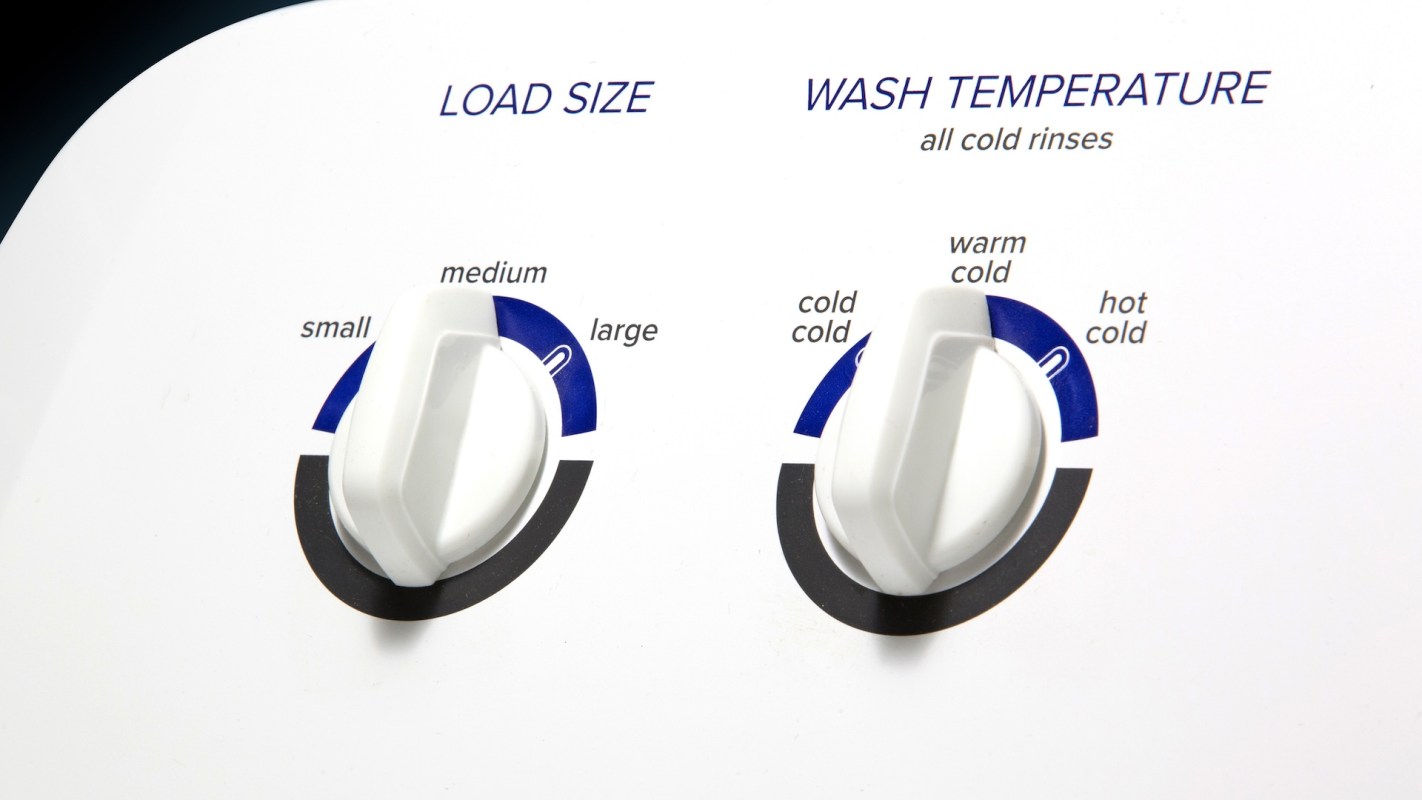
A homeowner who always washes their clothes in cold water took to Reddit's r/Laundry community to ask, "Have I just been lied to and living my life in potentially stinky unclean clothes?"
Here's what to know
The original poster said most of their day-to-day wardrobe is 100% cotton and that they had always relied on cold water to avoid shrinkage. OP added, "I don't think I smell and I'm normally very sensitive to fragrance/scents. Teach me your ways and send help urgently. Signed, a whirlpool front loader in the Northeastern US."
In the comments section, though, much of the discussion centered on a different issue: what a washer actually means when it says "cold."
The recurring point in the Reddit thread was that a care label's "cold" wash can mean around 86 degrees Fahrenheit (or 30 degrees Celsius), while many American machines run significantly colder than that on a cold setting.
A commenter put it this way, writing, "Cold water is best for clothing in general but that is laundry/care tag cold which is 86F/30C. If you're in the USA, the Warm setting is actually closer to laundry cold."
Not everyone landed on the same washing routine. Some commenters preferred warm or hot water because they felt it cleaned better, while others said they use cold for every load to save electricity and help preserve color.
TCD Picks » Quince Spotlight
💡These best-sellers from Quince deliver affordable, sustainable luxury for all




Many of the replies treated cold water as especially useful for dark garments because it can reduce fading. Commenters also said poor results are not always about temperature alone, warning that very cold water paired with the wrong detergent may clean less effectively and noting that the dryer is often more likely than the washer to shrink cotton.
On stains, a commenter noted, "Heat can cause protein stains to set (blood, urine, etc) if they are not being appropriately washed out," which is why cold water is still commonly recommended first for those messes.
People also said washer labels can create confusion. One commenter explained that many machines have both "Cold" and "Tap Cold," and that "Cold" may include a bit of hot water while still staying well below the colder wash temperature suggested by care tags.
What can be done?
Checking the care label, learning what your machine's settings actually do, and using the lowest temperature that still works may matter more than rigidly following one rule for every load.
As one commenter explained, "In general, clothing should be washed at the lowest effective temperature to reduce wear and save energy."
If everyday cotton clothes seem dingy or keep holding onto odor, trying a warm cycle may make sense before jumping straight to hot. Several commenters also recommended using a more effective fragrance-free detergent.
Where can I learn more?
Still sorting out what "cold" really means? These stories take a closer look at washer settings, cycle choices, and cleaning performance.
• A laundry expert found warm settings act more like true laundry cold in U.S. washers.
• An appliance expert said quick wash cycles work best for small, lightly soiled loads.
• Homeowners found fabric softener can leave costly buildup that makes washers grimier over time.

Get TCD's free newsletters for easy tips, smart advice, and a chance to earn $5,000 toward home upgrades. To see more stories like this one, change your Google preferences here.






