


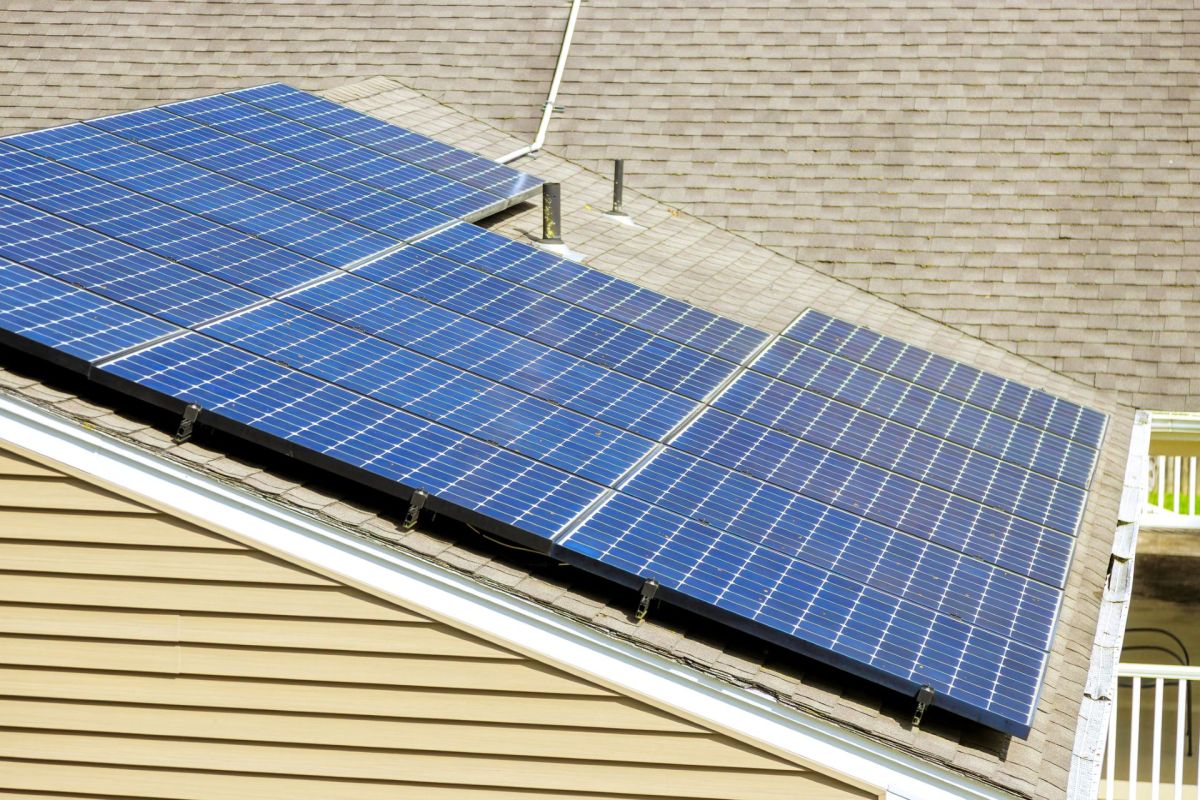
A Virginia homebuyer found themselves trying to solve an unexpected mystery before closing on a property: whether its rooftop solar panels actually worked.
Here's what to know
Without paperwork from the seller, the buyer searched for details about a potentially valuable system that was reportedly paid off. They turned to Reddit for advice on their next steps.
"I found & took a picture of the inverter but don't know what to do with it from there," they explained. "I just want to make sure the panels are wired & functioning as they should."
The buyer clarified in a follow-up that the seller rented out the duplex rather than living there. The panels had already been paid off when the seller bought the property from a previous owner.
Commenters recommended checking an electricity bill for evidence of power exports to the grid after the buyer said the home was in Virginia and served by Dominion.
For shoppers considering residential solar, potential electricity savings can reach hundreds of dollars per month through some $0-upfront leases, depending on the home and terms. EasyHome offers a free explorer tool to estimate possible savings and find vetted local installers.
More background
Net metering is an arrangement that credits customers for electricity sent to the grid. Commenters advised the buyer to check the property's agreement for any transfer deadline.
At one commenter's utility, buyers have 30 days after a sale to transfer the connection agreement or lose the grandfathered 1:1 net-metering rate. Others emphasized the need to confirm ownership and review financing records.
Crushed by your bills? See instant solar savings from vetted installers in just a few clicks With energy prices through the roof, there's never been a better time to go solar — and EasyHome can help you find the best prices from the best installers in your area. EasyHome takes the guesswork and headaches out of energy upgrades by showing you estimated savings from a network of vetted local partners. To get started, just enter your ZIP and share a few details about your home — seeing your estimate is really that easy. |

One commenter warned that a recorded termination is required to remove a solar loan's UCC-1 fixture filing from county records. Another advised checking for liens and for PACE financing, which can require repayments through property taxes.
What can be done?
Commenters pointed the buyer toward installation permits as a starting point, recommending a records request to the local permitting authority. The buyer could use the submitted plans and other records to find out who installed the system and when the work was completed.
The inverter photograph could also help identify the manufacturer and its monitoring platform. To access production data, one commenter suggested asking the company whether the equipment needs a cellular connection or Wi-Fi setup, and arranging a monitoring account for the buyer.
For buyers evaluating storage alongside rooftop panels, EasyHome also offers battery-storage exploration options. Pairing compatible solar and batteries can help manage electricity costs and provide backup power during outages, giving a future owner another equipment question to investigate.
"See if you can find a local solar inspection company," one person suggested. "We have one out here in CA that we almost used on a purchase until it fell through."
Where can I learn more?
Other buyers and sellers have also had to untangle solar ownership and track down missing paperwork.
• A homebuyer received a $500 bill after purchasing a house with supposedly owned solar equipment.
• In California, a buyer learned supposedly paid-off solar carried a 25-year PPA during escrow.
• A U.K. homebuyer faced a stalled tariff transfer because records from the previous owner were missing.

Get TCD's free newsletters for easy tips, smart advice, and a chance to earn $5,000 toward home upgrades. To see more stories like this one, change your Google preferences here.






