


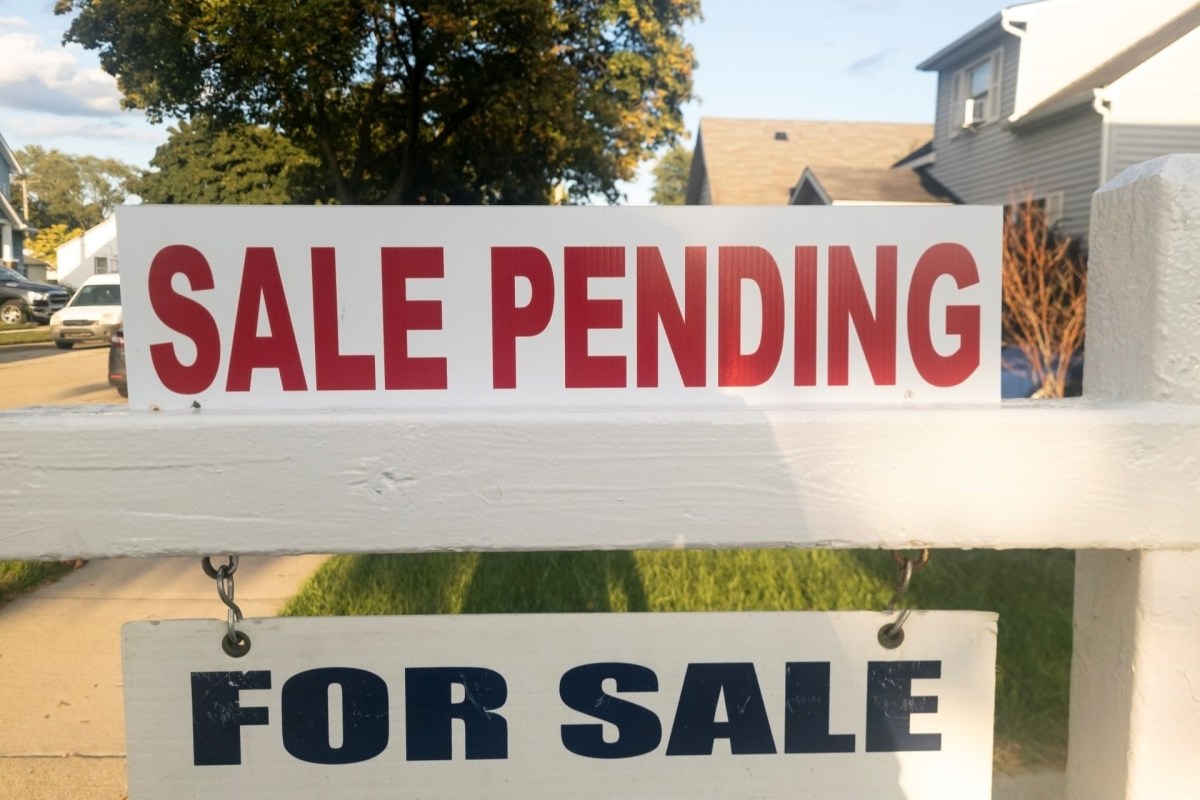
At least a dozen judgments against a Virginia home seller, several for more than $20,000, unexpectedly stalled a purchase just before closing.
The buyer said efforts to determine whom to pay were complicated by the death of the lawyer who had filed several of the judgments.
Here's what to know
A delay of a few days or a week was manageable for the buyer, but waiting months would mean reconsidering the purchase. They turned to Reddit's r/FirstTimeHomeBuyer community to ask whether to give the title issues more time or start looking for another home.
"We were supposed to close on our home tomorrow but found out that is being delayed because the seller has 12+ open judgements against them that are clouding the title," the buyer explained. "A few of those judgements are large ($20k+)."
The company had spent 10 days unsuccessfully trying to identify the deceased lawyer's successor. "They can't figure out who to contact to get a payoff quote/ where to send a check."
The title company needed payoff amounts and payment instructions before it would clear the property's title, its ownership record, for closing.
TCD Picks » Quince Spotlight
💡These best-sellers from Quince deliver affordable, sustainable luxury for all




"My question is, how likely is it that I'll actually be able to close on this house? How much longer will this get dragged out?"
More background
Beyond delaying the purchase, the unresolved judgments threatened to leave the buyer without a place to stay. Their apartment move-out deadline raised the possibility of hotel bills while they waited.
Walking away, however, carried financial consequences of its own. The buyer had already paid for an appraisal and home inspection and wanted to know whether they could recover those expenses if they pursued another house.
A commenter wrote, "A judgment where the attorney has died usually isn't a dead end, because the creditor still exists and the title company can often track down who took over through the court file, but nobody can honestly promise you a timeline."
"You need to contact a real estate attorney," another commenter urged.
The commenter advised checking the availability and cost of a rate-lock extension with the lender. They also recommended getting written progress reports from the agent and title company every couple of days.
In a follow-up, the buyer wrote, "As of right now, they will not issue title insurance. And we can't close without title insurance. All of the professionals involved are trying to track down the missing judgments but still have not been able to find anything. The sellers themselves have even tried but nobody knows anything. It's like all information about these judgments died with the attorney who filed them originally."
What can be done?
An escrow account could allow the purchase to close while reserving enough of the seller's sale proceeds to pay the judgments, one commenter suggested. They advised asking the title company whether that arrangement was possible.
One Ohio realtor said the title company and lender would both have to approve an escrow arrangement.
The same commenter suggested that the buyer's agent could negotiate seller credits or a lower purchase price. To assess whether hotel, appraisal or inspection expenses could be recovered, they recommended consulting a Virginia real estate attorney about the contract's delay and default provisions.
A short lease extension could address the immediate housing problem, according to one Colorado agent in the comments. They advised asking the landlord for a few more weeks before spending money on a hotel and storage.
The agent also cautioned against relying on assurances that closing was near. They recommended setting a personal deadline for waiting and making the decision based on confirmed progress.
"I have watched buyers bleed money a day at a time waiting on a 'soon' that never comes, and I would hate for that to be you."
Where can I learn more?
Title problems aren't the only surprises buyers can face just before closing.
• In New York, open violations blocked extra title coverage two days before a home closing.
• After buyers gave apartment notice, their seller said he wouldn't close while in Montenegro.
• A New York buyer's closing hinged on a utility pole beside the road.
• Days before closing, a buyer learned taxes would double, raising their mortgage payment 10%.
• A New York buyer discovered taxes were $5,000 higher than advertised because of a seller's credit.

Get TCD's free newsletters for easy tips, smart advice, and a chance to earn $5,000 toward home upgrades. To see more stories like this one, change your Google preferences here.






