


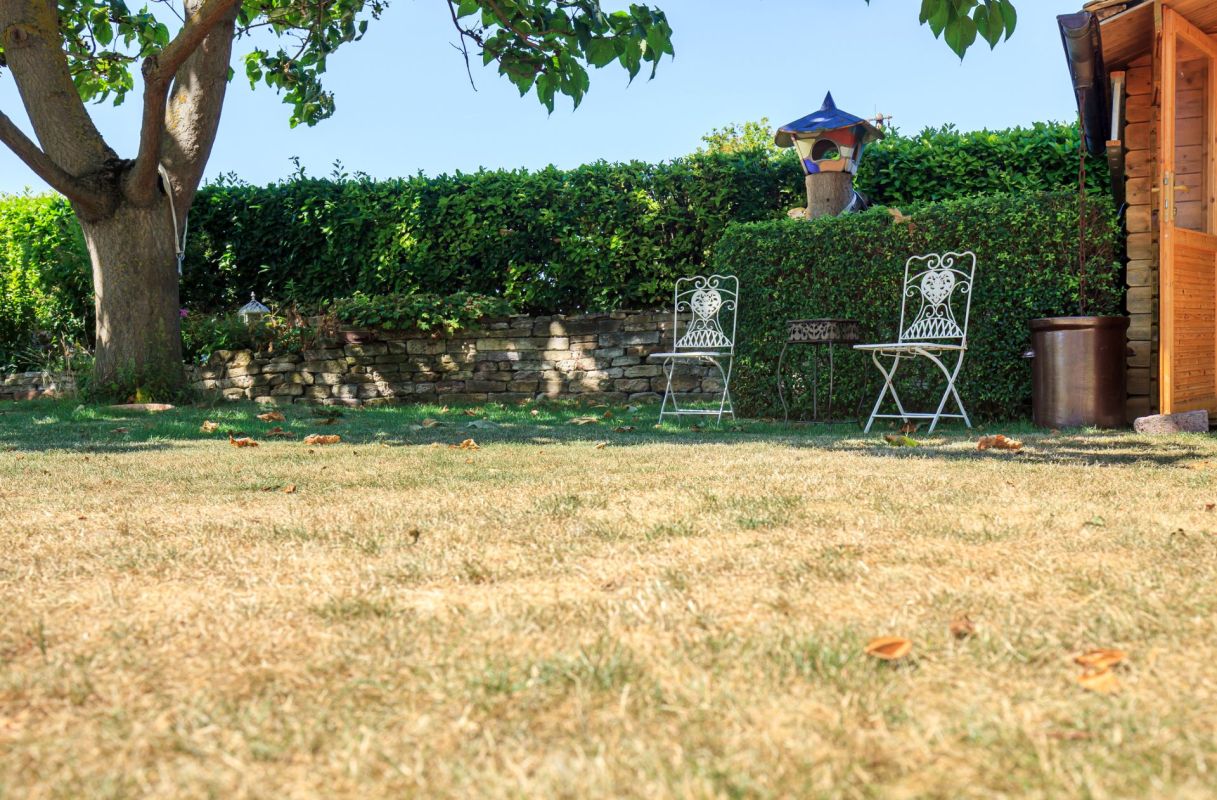
Recent rain has done little to ease a historic drought in Virginia, which is experiencing its driest spell in decades. With conditions still severe, officials are asking residents to start using less water now rather than wait for the shortage to worsen.
What's happening?
After an unusually dry period left Virginia in severe drought, Gov. Abigail Spanberger has called on residents to conserve water voluntarily, WRIC reported.
According to a June 18 release from the governor's office, Virginia has seen its driest conditions since 1941, and rainfall across much of the state is running roughly eight inches below normal.
The statewide picture is grim. The Virginia Department of Environmental Quality's latest daily map places the entire state in drought. Reservoirs are still mostly full, but streamflow and groundwater data already point to severe hydrologic drought.
Officials say early conservation could reduce the chance that tighter limits will be needed later. They are asking Virginians to ease up on lawn and garden watering, shut down decorative fountains, cut back on car washing, and postpone filling pools when they can.
Why does it matter?
A prolonged drought is more than an inconvenience for people trying to keep a lawn green. It can strain drinking water systems, damage crops, dry out streams, and put pressure on ecosystems that depend on stable water supplies.
TCD Picks » Quince Spotlight
💡These best-sellers from Quince deliver affordable, sustainable luxury for all




Signs of economic strain are already appearing. Using its expedited process, the U.S. Department of Agriculture has granted drought disaster designations to several Virginia localities, which opens emergency loans to farmers. Trouble on farms can ripple through food production, rural jobs, and local economies.
Beyond agriculture, worsening extreme weather disasters endanger lives and livelihoods by undermining public health, community safety, and economic stability. Drought can increase heat stress, worsen air quality through dust and wildfire risk, threaten household water access, and leave communities more vulnerable if dry conditions persist for months.
What's being done?
Virginia is not imposing mandatory limits at this point and instead is asking people to make practical voluntary cuts. That request comes as outdoor water use usually climbs in the hottest part of the year, when irrigation needs increase.
Through the Virginia Drought Monitoring Task Force, state agencies are tracking reservoir levels, streamflow, and groundwater. The governor's office said that if conditions persist or worsen, Spanberger could respond with an executive order declaring a drought emergency.
State guidance includes watering only when necessary, delaying nonessential washing, and checking for leaks. Those steps can help preserve local supplies and reduce stress on water systems.
The aim is to prevent required water restrictions even if the dry spell keeps getting worse.

Get TCD's free newsletters for easy tips, smart advice, and a chance to earn $5,000 toward home upgrades. To see more stories like this one, change your Google preferences here.






