


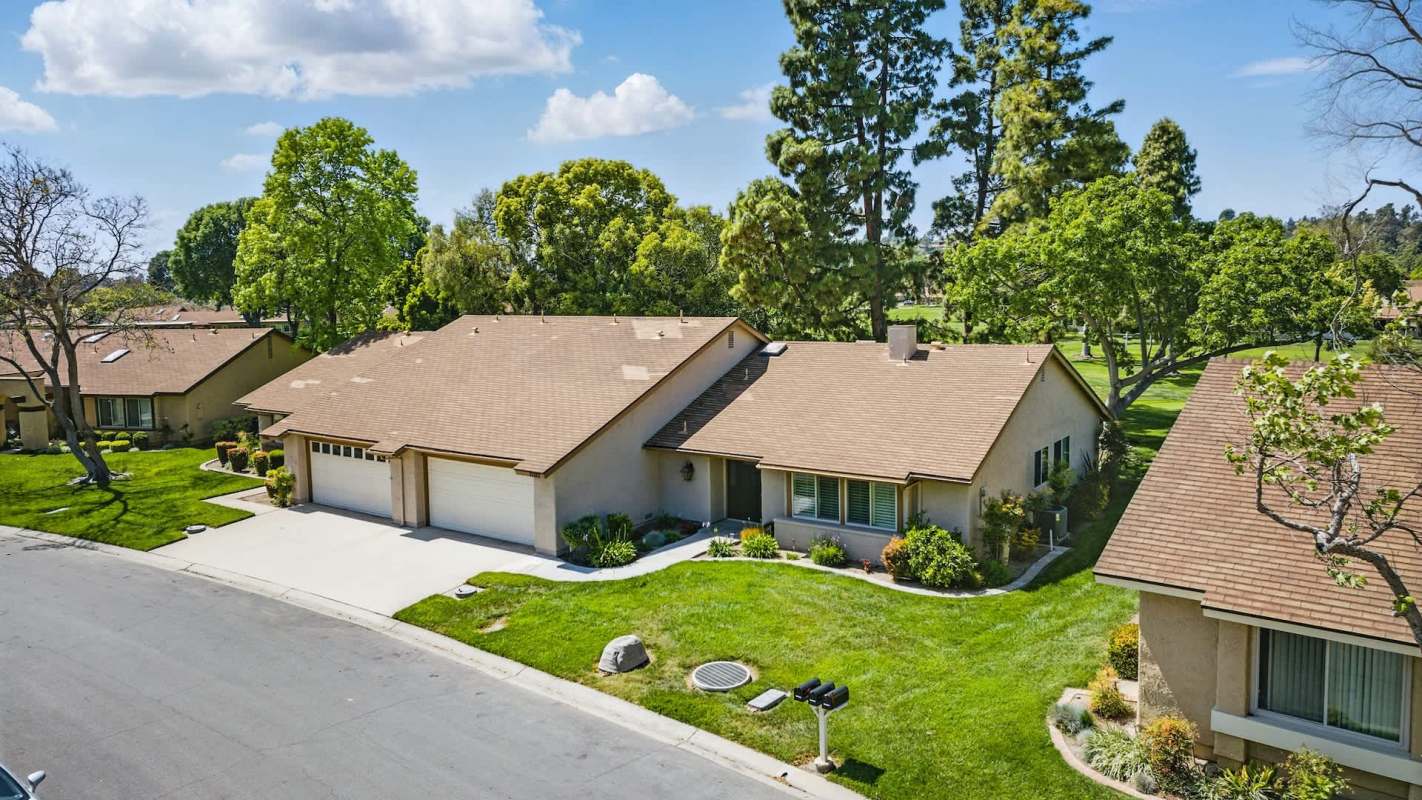
For older Virginians looking to downsize, finding a smaller home is only part of the challenge.
Properties with fewer stairs and features that accommodate changing mobility needs are also in short supply, according to mortgage lender Heather Simon and Beth Powell, owner of the downsizing business Home with Heart.
Here's what to know
An analysis of 2019 Census data found that the nation's supply of homes equipped for aging residents could fall short of demand, WLFI reported.
A step-free entrance was one Census requirement for "aging-ready homes," as were a bedroom and a full bathroom on the ground floor.
In 2019, Americans aged 65 or older accounted for one-sixth of the population. By 2060, that share is projected to reach one in four.
Simon has noticed a noticeable shift in what her clients look for in a home. As a mortgage lender, she has helped thousands of families purchase properties in her 35-year career.
TCD Picks » Quince Spotlight
💡These best-sellers from Quince deliver affordable, sustainable luxury for all




First-floor primary suites, wider hallways, fewer steps, and showers without an entry step are among the features Simon said some homeowners seek in a smaller home.
Those homeowners are often leaving properties measuring 4,000 to 5,000 square feet.
More background
Moving can mean taking on substantial debt for people who already paid off a longtime home.
Home with Heart's Beth Powell explained that available housing does not necessarily meet older residents' accessibility needs or fit their budgets.
"Some folks will say, well, a patio home is the answer. A patio home is not the answer because, one, they're not accessible. Two, they're very expensive," she began.
"And if somebody has lived in their home and they've paid their home off, why should they go into debt at the end of their life for an enormous amount of money?" Powell added.
Months of planning are needed for the transition Simon described: moving from a 5,000-square-foot home to a 2,000-square-foot property.
Leaving a larger home after decades there also carries an emotional burden, she noted.
What can be done?
Staying in the current home and modifying it is one possibility; buying a different property or building a home are alternatives.
Powell and Simon recommend comparing the costs and trade-offs of all three, per WLFI.
An emergency often leaves families facing higher costs and fewer places where an older relative can live. Both recommend discussing housing needs early, rather than waiting for a fall or a health crisis to force a decision.
Adaptations that allow multiple generations to share an existing home are expected to become more common amid demand for multigenerational housing and a shortage of accessible homes. Powell and Simon also recommend working with a team that can take the time to identify a suitable home.
"But all over the country, we're having problems with moving our parents into the right place that's going to fit their health needs, their lifestyle," Simon told WLFI.
Where can I learn more?
Older adults considering a move need to weigh what's available, how accessible it is, and what it will cost over time. These stories cover the senior housing shortage, co-op living, single-floor tiny homes, and retirement housing expenses.
• Across the United States, a senior housing crunch deepens as many baby boomers turn 80.
• In Minnesota, retirees bought into a co-op, leaving snow removal and mowing behind.
• A 47-foot tiny house combines single-floor living and an enclosed porch in a compact footprint.
• A homeowner nearing retirement weighed downsizing as housing threatened to consume 65% of their budget.

Get TCD's free newsletters for easy tips, smart advice, and a chance to earn $5,000 toward home upgrades. To see more stories like this one, change your Google preferences here.
Cool Picks






