


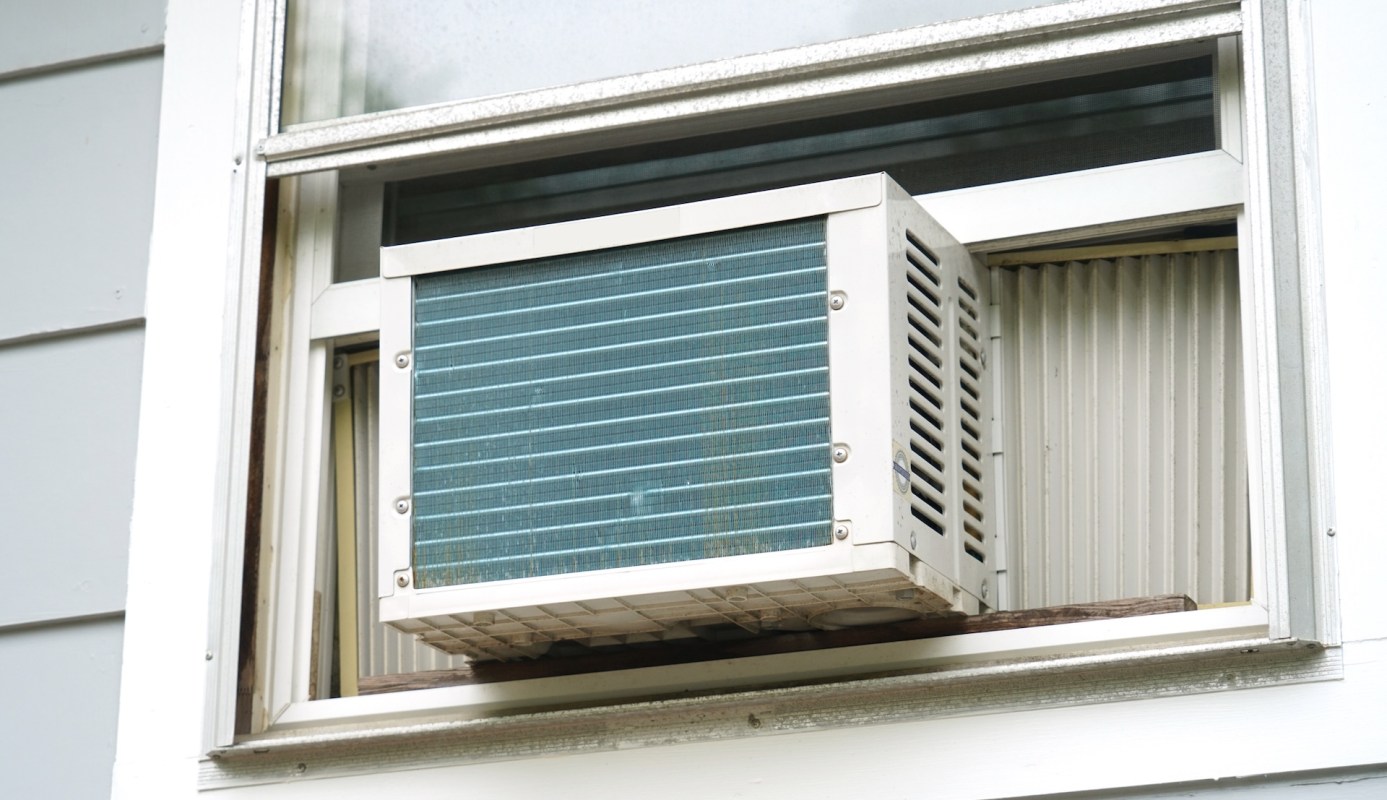
Vermont has not moved against inexpensive window air conditioners, at least for now. Still, disputes elsewhere over emissions, cooling technology, and appliance policy suggest the picture may grow more complicated over time.
With hotter summers becoming the norm, cooling is increasingly treated as a basic health safeguard instead of an optional comfort. That shift is sharpening questions about how environmental regulations can coexist with affordable access to heat relief.
What's happening?
In a recent piece of commentary for FYIVT.com linked by the Vermont Daily Chronicle, Dave Soulia (who owns FYIVT.com) urged Vermonters to watch climate-policy fights in other places, particularly those centered on air conditioning and refrigerants.
His point was less a criticism of heat pumps than a warning about price. Soulia wrote that a basic 5,000-BTU window air conditioner can cost about $160, while Vermont heat pump installations are typically estimated in the thousands of dollars, sometimes far beyond that.
Soulia cited examples beyond Vermont. California already has hydrofluorocarbon, or HFC, rules for air-conditioning equipment; New York lawmakers are weighing measures involving appliance collection programs and refrigerant standards, and in Europe the politics of staying cool have become heated enough for one Euronews report to describe cooling as a "climate class war."
Soulia also argued that Vermont has a history of drawing climate policy ideas from larger progressive states, citing the way California's greenhouse gas law was later echoed in Vermont's Global Warming Solutions Act in 2020.
TCD Picks » Quince Spotlight
💡These best-sellers from Quince deliver affordable, sustainable luxury for all




Why does it matter?
The central issue is who could be left behind if cooling becomes more expensive or harder to access.
Health guidance helps explain the stakes. During a recent heat emergency, New York City warned that "hot, humid weather can be deadly" and said that "using air conditioning is the best way to stay safe." According to Soulia's FYIVT.com commentary, the city also noted that many heat-related deaths happen after extended time indoors without air conditioning.
For that reason, the details of pollution-cutting policies matter. Heat pumps can improve efficiency and reduce climate pollution, but if incentives or regulations push cheap window units aside before affordable alternatives are widely available, then renters, seniors, low-income households, and others could face the greatest strain.
What's being done?
Behind some of this policy pressure is a legitimate concern: Conventional refrigerants can be extremely potent, polluting greenhouse gases, and governments are trying to cut those emissions while promoting cleaner, more efficient equipment.
So the question for Vermont, according to Soulia, is whether future climate rules will broaden access to cleaner cooling — or make the lowest-cost form of relief tougher to obtain.

Get TCD's free newsletters for easy tips, smart advice, and a chance to earn $5,000 toward home upgrades. To see more stories like this one, change your Google preferences here.






