


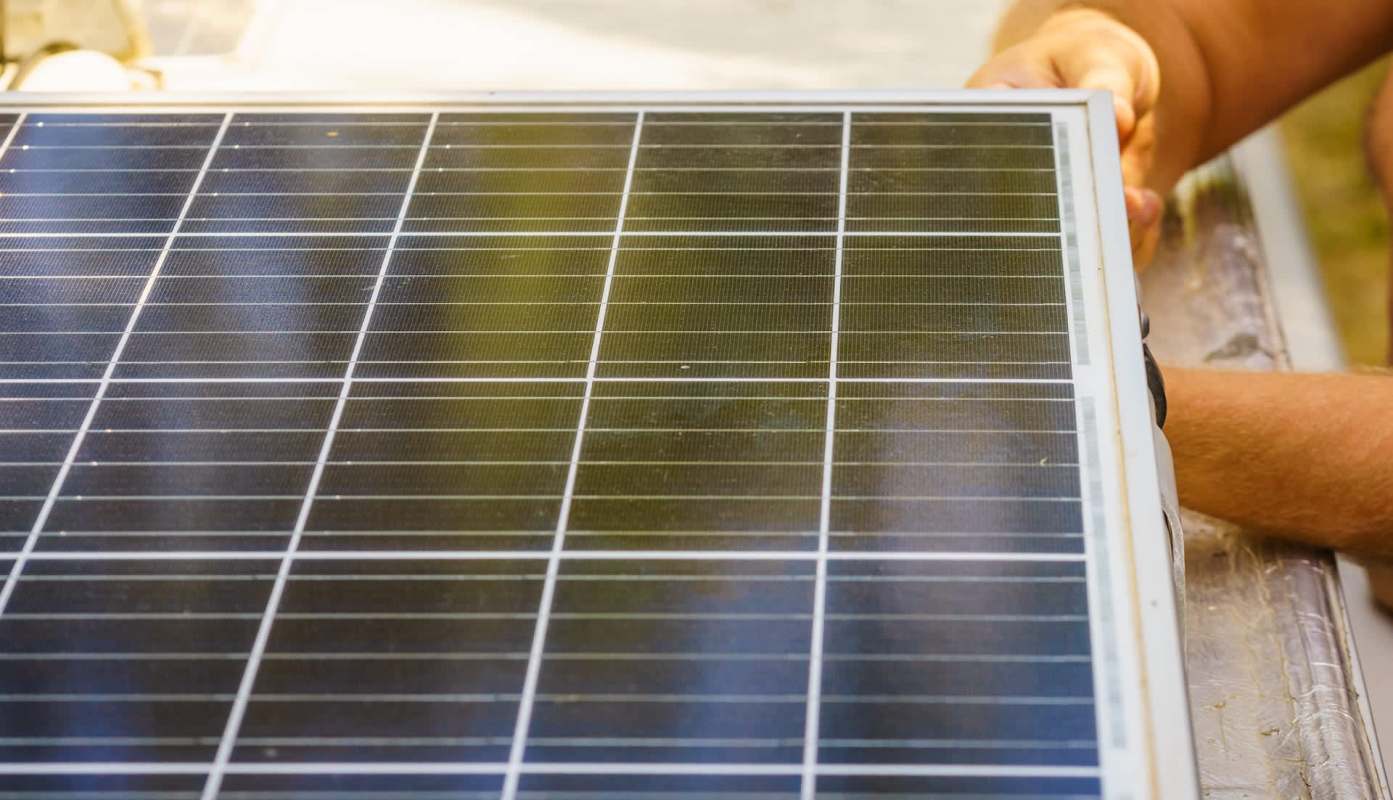
An online discussion about a rural land purchase highlighted a familiar problem when building in remote areas. The property looked affordable until the buyers learned utility power was still a half-mile away.
Here's what to know
The discussion started when a Redditor said an employee and her partner bought a small parcel and then discovered, "Utility power is 1/2 mile away and at this point it is not economically feasible for them to connect," in a Reddit post.
They asked whether a smaller home, with propane covering major household needs, would pair best with a standalone solar-and-battery system.
Replies generally said that approach can work.
"These days, go full electric, boost the solar setup, and leave the LP and other fuel options behind," a commenter wrote. "There are amazing electric heating units, oven/stoves, and dryer options to choose from."
Cost estimates varied, with one commenter putting a DIY system for a small house at around $10,000 and saying a professional install could land closer to $40,000.
Another commenter described how expensive a utility connection can get, saying they were quoted $48,000 to extend service down a 3/4-mile driveway, before trenching or cabling were included.
For buyers facing a half-mile utility extension, or a much simpler situation, going solar can be one of the best ways to save money on home energy. Readers can use EasyHome's free explorer tool to see pricing and savings from vetted installers in their area.
Crushed by your bills? See instant solar savings from vetted installers in just a few clicks With energy prices through the roof, there's never been a better time to go solar — and EasyHome can help you find the best prices from the best installers in your area. EasyHome takes the guesswork and headaches out of energy upgrades by showing you estimated savings from a network of vetted local partners. To get started, just enter your ZIP and share a few details about your home — seeing your estimate is really that easy. |

More background
Financing was also part of the warning, with one commenter noting that "many lenders and some insurers won't touch off grid properties," which makes the decision more complicated than a straight equipment-cost comparison.
Regional conditions also came up. One commenter, who assumed the land might be in Texas, said, "Hot humid weather so HVAC loads are punishing," and argued that battery size, backup needs, and winter sunlight all affect the budget.
Others noted that off-grid systems often evolve after people move in.
For example, one commenter said a 3,000-square-foot house can run on a 4-kilowatt array with 14 kilowatt-hours of storage, with the generator needed only occasionally in winter.
Another commenter described building up in stages, starting with generators and basic batteries before expanding later into a much larger solar-and-storage setup as money allowed.
What can be done?
The most practical advice in the thread was to price out every piece before building, including utility extension, trenching, panels, mounting hardware, wiring, inverter, batteries, and backup generation.
Scalability also came up. One commenter advised steering clear of small "all in one" boxes that are hard to expand, while another suggested beginning with a generator and batteries and adding solar in stages.
Future buyers may also want to check financing and insurance options before finalizing land or house plans.
For homeowners who do decide solar makes sense, EasyHome can help them curate competitive bids from local installers. That same free explorer tool can also help readers explore backup battery storage. Pairing solar with a battery lets homeowners maximize savings and keep the lights on when the grid goes down.

Get TCD's free newsletters for easy tips, smart advice, and a chance to earn $5,000 toward home upgrades. To see more stories like this one, change your Google preferences here.






