


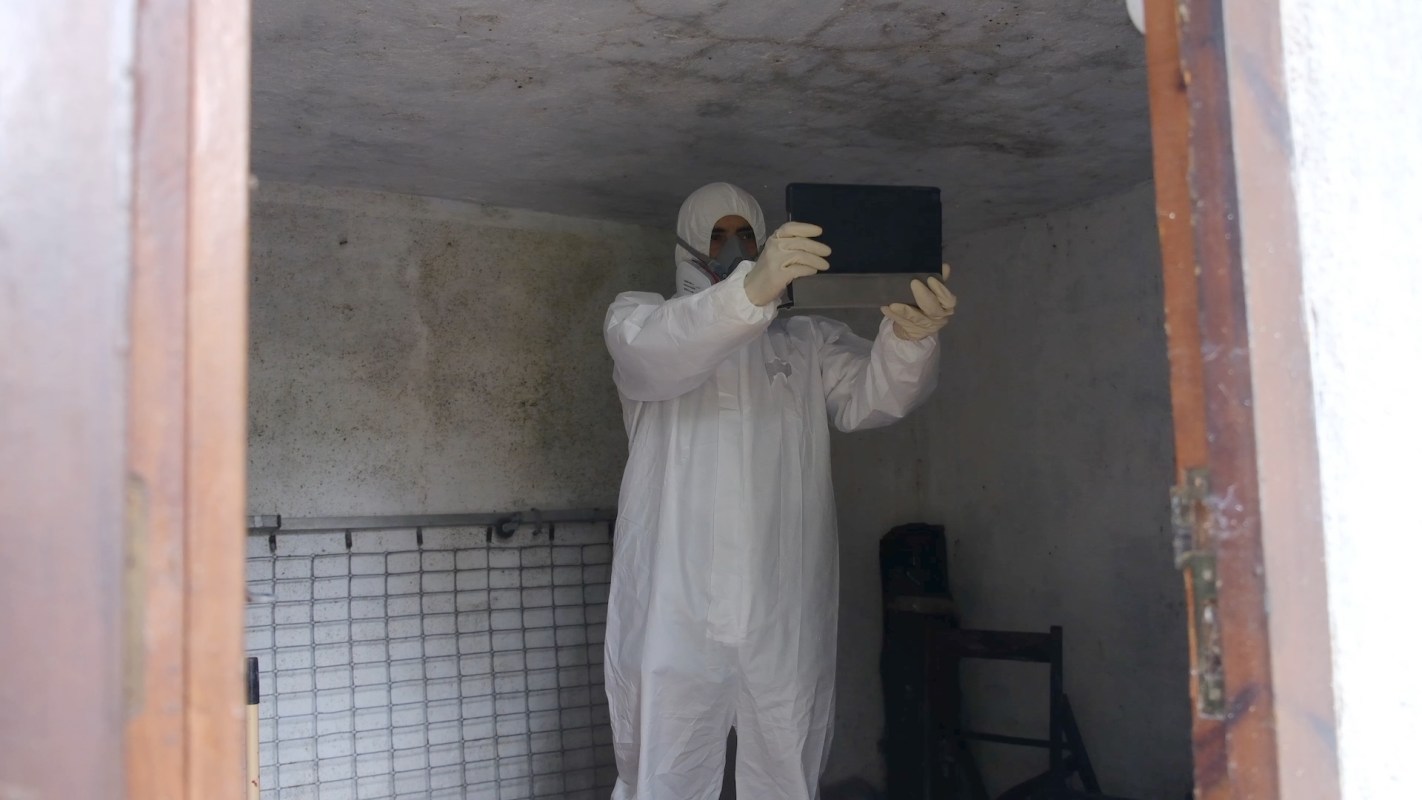
While under contract for a home in Utah, buyers with three young children tested the house for mold.
But after the official mold report flagged stachybotrys spores, the buyers didn't know how to proceed and asked Reddit's r/FirstTimeHomeBuyer community, "Should we still buy this home?"
Here's what to know
In the Reddit thread, the original poster explained that their family was already under contract before discovering the mold spores.
They asked the forum, "is this a minor or major problem?" and "How should this level of stachybotrys be remediated? And around how much [would that cost]?"
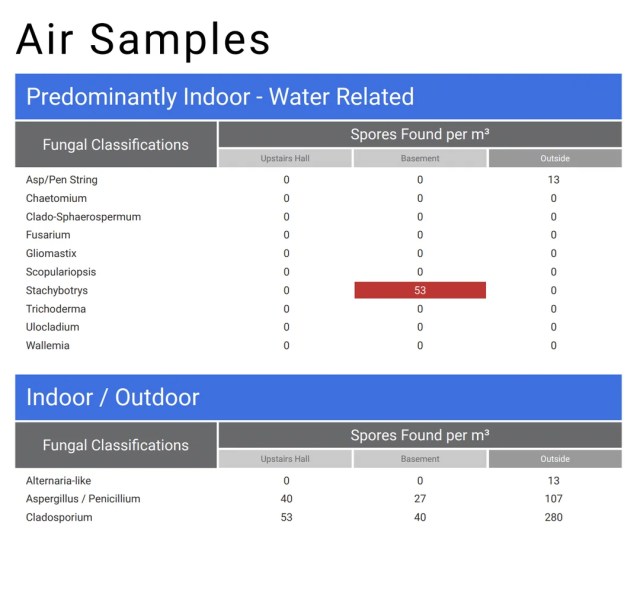
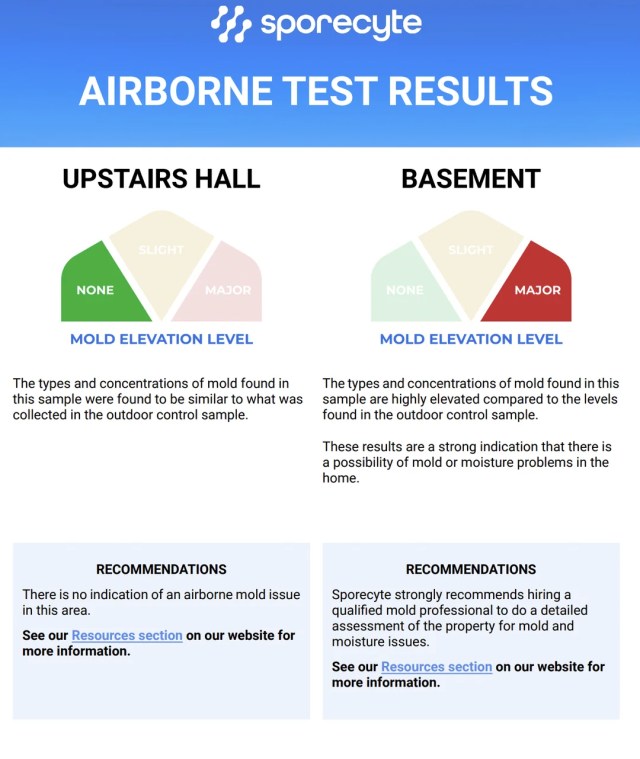
OP then added, "We have three kiddos under 7 years old and just wanna make sure we don't put them in any danger."
Pointing first to the spore count, one user said "50 spore/m3 is not high," especially compared with outdoor readings, and described the situation as "Most likely minor." In that commenter's view, the result was more useful as a sign of excess moisture than as evidence of immediate danger.
TCD Picks » Quince Spotlight
💡These best-sellers from Quince deliver affordable, sustainable luxury for all




A different commenter focused less on the number and more on the source, arguing that this kind of mold "isn't from humidity" and instead "needs a direct liquid source." They pointed to possibilities such as condensation on windows, weeping foundation walls, or an old leak that was never fully fixed.
Another response advised the buyers to plan for work beyond mold removal, suggesting estimates not only from remediation companies but also from contractors "to redo the basement, assuming it is finished."
What can be done?
A positive mold report can alter negotiations, raise seller disclosure concerns, and force a decision between accepting a credit or walking away.
The most practical advice in the thread was to create more time before making a final call. One commenter specifically recommended "extending the inspection period," so the family could gather more information before closing. That same reply also suggested bringing in "3 reputable mold remediation companies and 3 contractors" to compare bids and scopes of work.
"If you love the house, use this to get credits back at close so you can get the work done. Don't hold in escrow," the commenter wrote.
Meanwhile, another commenter said that once sellers know a mold report is positive, they may be more willing to remediate than to relist the property with that issue hanging over it.
If the issue does turn out to be related to elevated humidity, one commenter said air sealing and a dehumidifier could help. Still, multiple replies emphasized the same first step: finding out whether there is an active leak, foundation seepage, or another direct water source.
As one commenter concluded, "It's not crazy but something to definitely look more closely at and figure out the source."
Where can I learn more?
If you're weighing what a mold finding could mean, these articles dig into the same questions about hidden moisture, repair scope, and when a house starts to feel too risky.
• After a toilet seal leak, a $7,200 mold quote sparked debate over full demolition.
• In Florida, an upstairs AC leak left mold in a condo and triggered insurance questions.
• A homebuyer under contract found basement mold in a ranch and heard blunt warnings.

Get TCD's free newsletters for easy tips, smart advice, and a chance to earn $5,000 toward home upgrades. To see more stories like this one, change your Google preferences here.






