


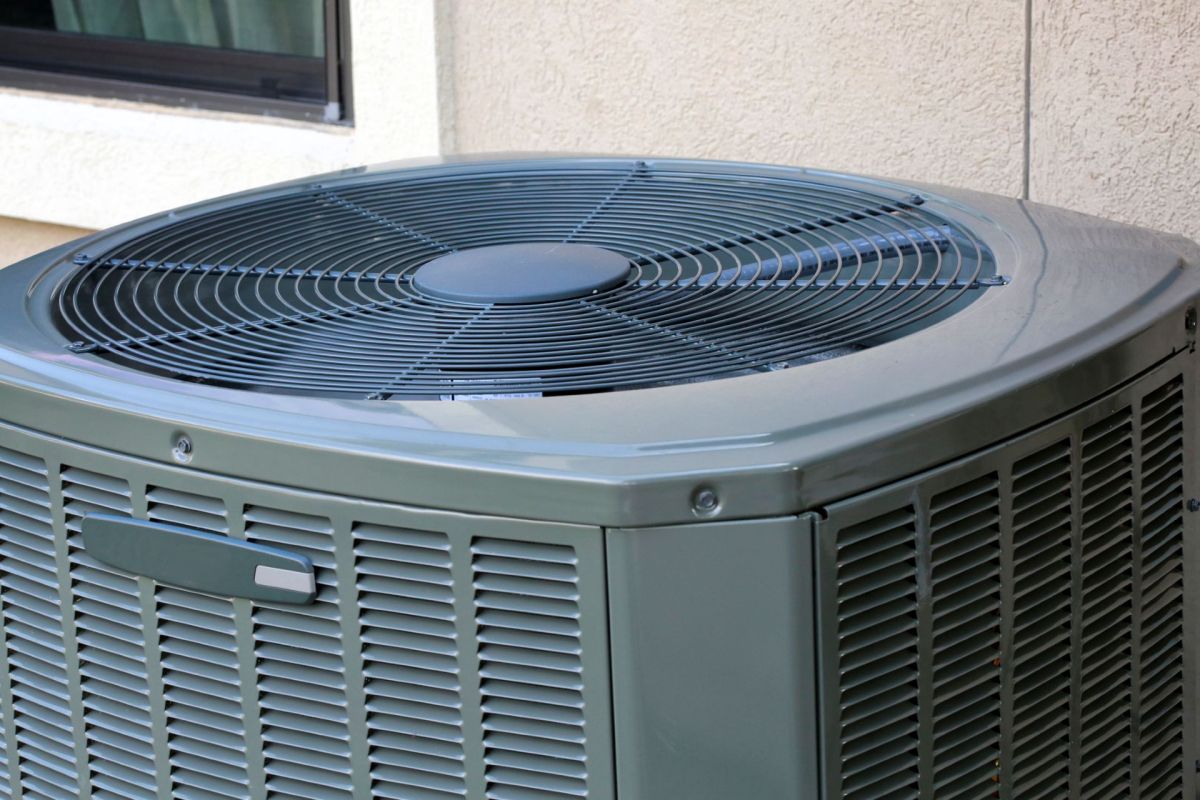
Federal rules are pushing air-conditioner manufacturers toward refrigerants with a smaller impact on rising global temperatures.
However, homeowners with working R-410A refrigerant systems don't need to rush to replace them. Existing units can still be used and repaired, even as manufacturers transition to alternatives.
Here's what to know
R-410A is being phased out in newly manufactured residential and light-commercial air-conditioning equipment. According to SlashGear, the Environmental Protection Agency set a global warming potential limit of 700 for new residential and light-commercial air conditioners.
For manufacturers, the EPA's directive pairs reduced production of R-410A-based equipment with a move toward refrigerants that have less impact on the planet. That directive grew out of the 2020 American Innovation and Manufacturing Act. The 700 limit took effect January 1, 2025.
The policy is intended to reduce R-410A use by replacing aging equipment rather than discarding functioning units. Air conditioners already installed are still legal.
More background
R-410A took over from R-22, commonly called Freon, in the mid-1990s. Many American consumers may recognize R-410A from labels on air-conditioning equipment sold after 2010.
TCD Picks » Quince Spotlight
💡These best-sellers from Quince deliver affordable, sustainable luxury for all




Over time, R-410A overtook its predecessor as the default pick among air-conditioner manufacturers around the world. R-22 posed a threat to the ozone layer, and R-410A, by comparison, didn't deplete the ozone layer at all. That helped it gain popularity as R-22 was phased out around the 2010s.
But R-410A's global warming potential rating is 2,088. Over a 100-year period, it traps roughly 2,088 times more heat than the same amount of carbon dioxide.
What's being done?
According to SlashGear, manufacturers are turning to two main replacements: R-454B, which has a global warming potential of 465, and R-32, which has a rating of 675. Both fall below the EPA's limit of 700 and R-410A's rating. That means new equipment meets the lower-warming-potential requirement.
Both newly installed and older R-410A systems can continue to be used and serviced for years rather than being discarded just because manufacturing requirements have changed.
SlashGear reported that a rule change in May allows manufacturers and distributors to sell remaining R-410A air conditioners made or brought into the country before January 1, 2025.
As of October, R-454B leads among U.S. manufacturers building new residential systems, though R-32 also shows up in new equipment. The market hasn't settled on one successor to R-410A.
Where can I learn more?
As manufacturers move away from R-410A, homeowners are facing costly AC repairs and replacements.
• HVAC technicians questioned a $6,000 coil quote as a possible R-410A replacement upsell.
• An HVAC company blamed R-454B refrigerant before conceding its new AC was too loud.
• After an AC failed in 105-degree heat, a homeowner received a $22,000 replacement quote.
• HVAC professionals urged a homeowner to question how low refrigerant was measured.
• A homeowner facing a dead compressor and a $10,000 quote sought cheaper alternatives to full-system replacement.

Get TCD's free newsletters for easy tips, smart advice, and a chance to earn $5,000 toward home upgrades. To see more stories like this one, change your Google preferences here.






