


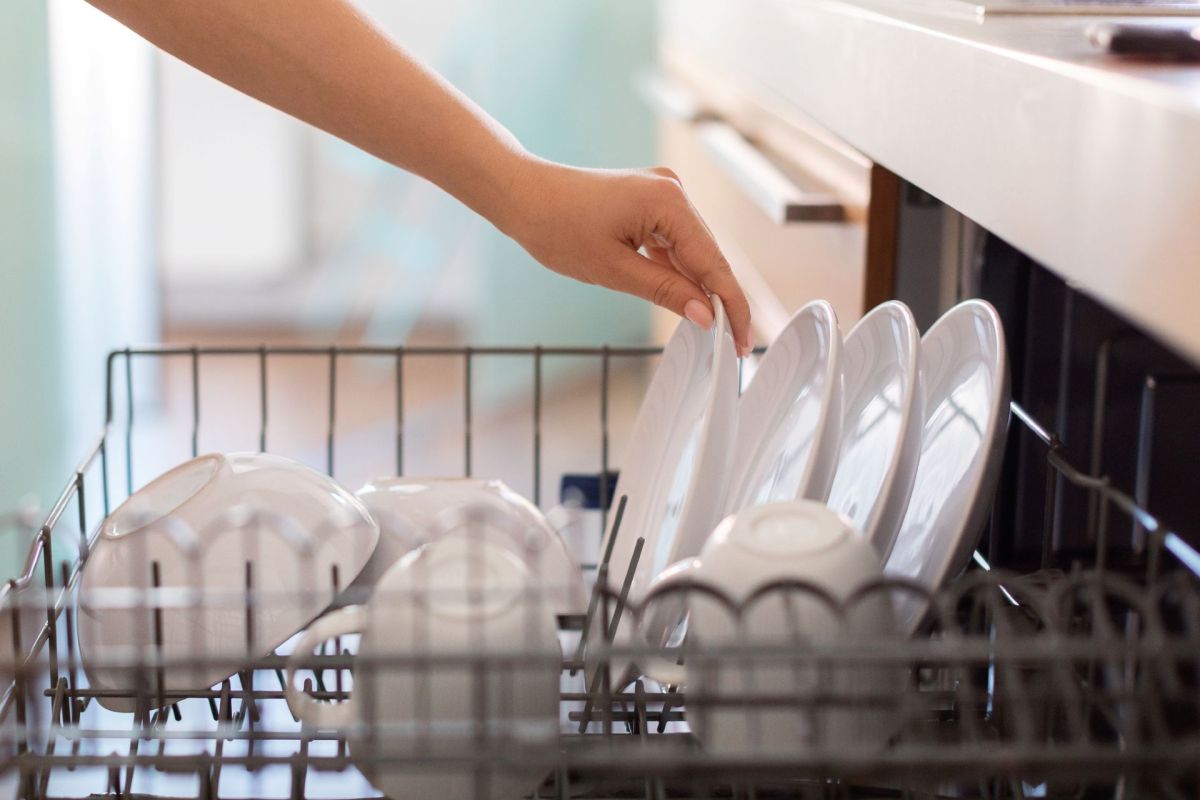
A U.S. homeowner in the middle of a remodel sparked a lively online debate that tested the knowledge of plumbers after discovering that their dishwasher had been connected to the cold-water line rather than the hot.
The battle that ensued in the comment section showed just how much variance there is between different models of dishwashers and how regional brand choices can affect a plumber's knowledge.
Here's what to know
In a Reddit post, the homeowner said they checked the water under the cabinet, felt the supply lines, and concluded the dishwasher was running on cold water instead of hot. "This explains why our dishes haven't been getting cleaned."
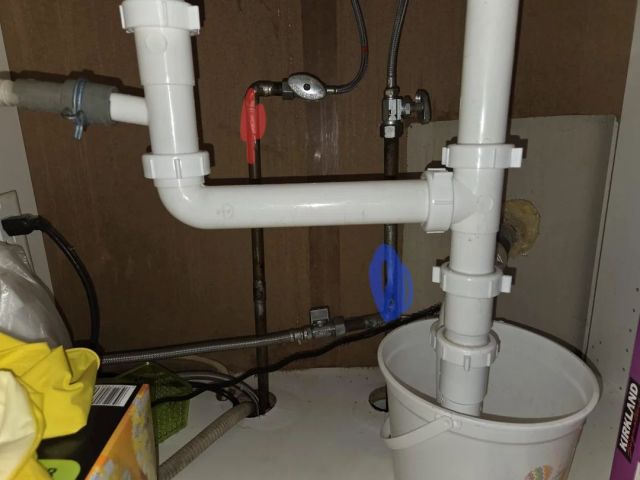
The poster later added context, saying the appliance is a Whirlpool Quiet Partner II in the U.S. and adding, "This dishwasher calls for hot to be connected."
That led several commenters to debate whether a cold-water hookup is automatically a problem. One commenter wrote, "Some dishwashers are designed to be connected to the cold water supply and that's what it calls for in the instructions. I didn't believe it myself until I read it with my own eyes."
Another added, "Yeah, mostly European models. It's very uncommon in the US."
TCD Picks » Quince Spotlight
💡These best-sellers from Quince deliver affordable, sustainable luxury for all




One commenter said, "Dish washers heat the water they don't need the hot water attached." Another commenter argued, "Not all dishwashers, but I highly recommend anyone that needs to buy one, to make sure it does."
More background
One commenter explained the source of the confusion: "Yes, most European dishwashers and washing machines have only a cold water connection. They use built-in heaters to increase the water temp when needed." The same commenter said supporters of cold-water connections argue they can be useful for certain food soils and pair well with condensation-style drying.
One commenter wrote about a logistical issue they see with hot-water hookups: "You are pulling just enough hot water to fill the pipes and then shut it off. It makes more sense to have the dishwasher heat cold water to temp."
What can be done?
First, check the dishwasher's installation manual before changing any plumbing.
It can also help to verify the lines by temperature rather than valve position alone, since sink hookups are not always arranged the way people assume. And if a dishwasher uses hot water but the heater is far away, a self-heating dishwasher could be a good option.
However, one commenter argued, "I'm almost always working in the kitchen sink before starting the dishwasher, which serves the purpose of charging the hot water line up to the dishwasher connection. This is probably true for most kitchens on most days."
Another commenter pointed to an easy way to end the debate, saying: "This is clearly detailed in the installation manual."
Where can I learn more?
These stories explore maintenance habits and settings that can affect cleaning performance and water use. They include homeowners' tests and expert tips on upkeep and cycle choices that can change how well a machine works.
• On TikTok, one homeowner showed how boosting dishwasher efficiency can start with a tiny change.
• An appliance expert said cleaning the dishwasher filter is a basic step many households miss.
• A self-described dishwasher scientist warned that using the wrong cycle and habits can quietly waste water and money.
• A real-life dishwasher scientist shared tips that make dishwashers work harder while using less water.

Get TCD's free newsletters for easy tips, smart advice, and a chance to earn $5,000 toward home upgrades. To see more stories like this one, change your Google preferences here.






