


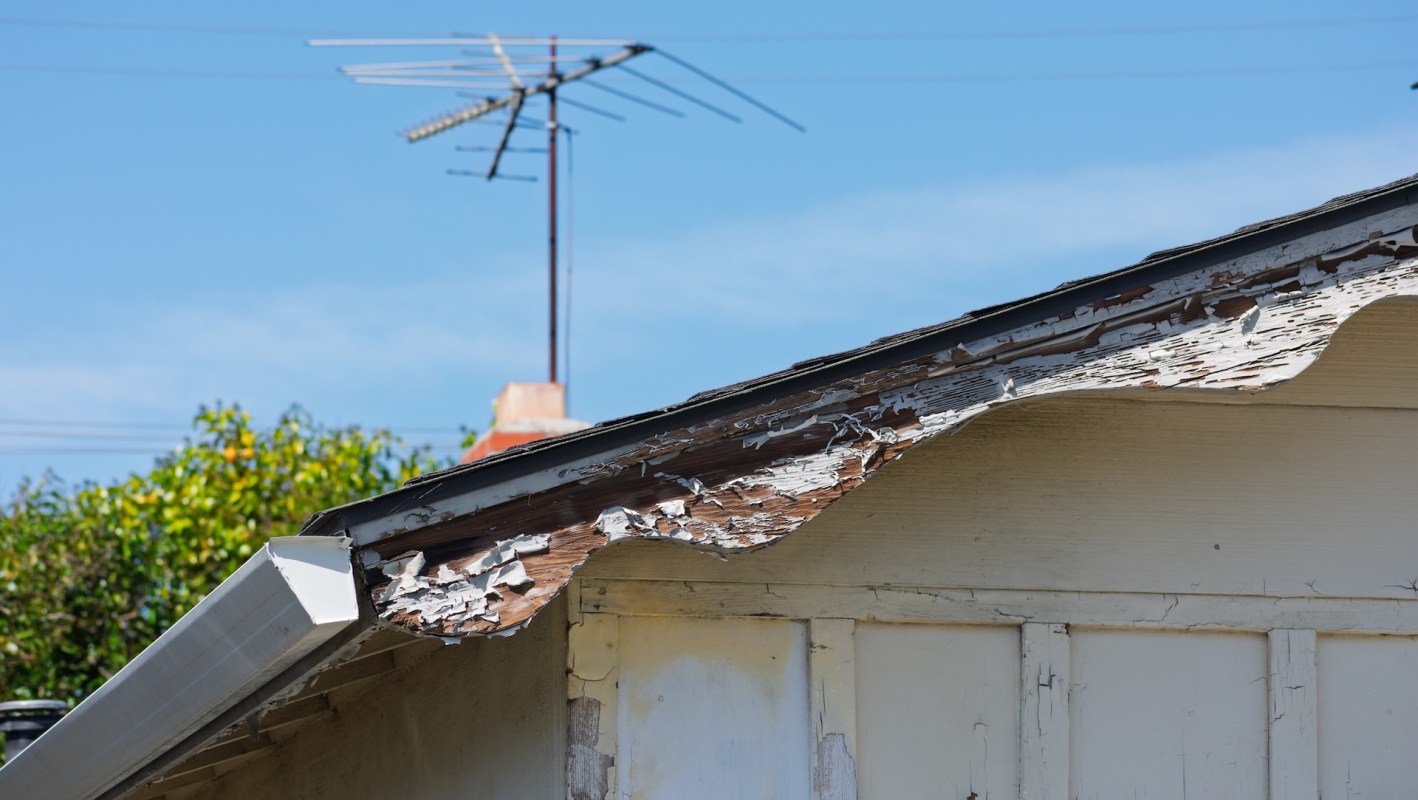
America's housing crunch isn't just about too few homes for sale; it also reflects the age and condition of existing properties. Harvard University's Joint Center for Housing Studies found that one-quarter of homeowners live in houses built before 1960.
Here's what to know
According to the Harvard analysis, millions of those older homes have serious issues, including failing plumbing and heating systems and even holes in the floor.
As Realtor.com reported, 2023 American Housing Survey data show the median U.S. home is now 44 years old, the oldest median age on record for the country's housing stock.
The older the housing stock, the more repairs it tends to need. In a 2025 report, the Federal Reserve Bank of Philadelphia estimated that nearly half of owner-occupied homes built before 1940 required at least one repair in 2024. For homes built in 2000 or later, that share was 26%.
Those repair costs are coming at a time when other bills already stretch many households.
"When cash flow gets tight and discretionary income seemingly erodes due to inflation, budgeting for renovating and maintaining a home becomes a secondary objective," said Steven Talia, a certified financial planner and financial adviser.
TCD Picks » Quince Spotlight
💡These best-sellers from Quince deliver affordable, sustainable luxury for all




More background
For many homeowners, their biggest remaining resource is their home equity.
That matters because many owners bought or refinanced when mortgage rates were much lower, making it less appealing to move or replace an older mortgage with a new one.
That backdrop has made home equity lines of credit, or HELOCs, a common option. Kyle Bass, production business manager at Refi.com, said, "Older homes tend to need repairs that arrive in stages, like a roof one year and HVAC or plumbing the next." Because it is a revolving line, he said, a HELOC can be a good fit for some homeowners.
Borrowing has increased as well. According to Realtor.com, New York Fed data put HELOC balances at $459 billion in the second quarter of 2026, or $142 billion above their low point in early 2022.
However, what borrowers are using that money for appears to be changing. The Mortgage Bankers Association's 2025 Home Equity Lending Study found that 39% of borrowers cited debt consolidation in 2024, up from 25% in 2022.
From 2022 to 2024, the share citing home renovations fell from 65% to 46%, suggesting some repairs may be getting pushed back.
What can be done?
For homeowners considering tapping into their equity, the report's clearest takeaway is to prioritize repairs that can prevent larger losses later.
Bass pointed to roof, foundation, HVAC, electrical, and water-damage issues as projects that protect a home's value or head off higher costs.
When problems go unresolved, they can become emergencies that strain a household's finances, and Bass said deferred maintenance can also erode a home's value and insurability.
A HELOC can also make more sense than a cash-out refinance for homeowners who locked in a low mortgage rate. Bass said a HELOC prices only what homeowners actually draw at the current rate, while the rest of their debt stays where it is.
Still, Talia warned against treating a large line of credit like free money. He said, "Where a homeowner gets into trouble is when the banks overextend the size of the line of credit to entice the borrower with a potentially lower interest rate. When that line of credit is open and the borrower is not disciplined in managing debt and finances, that's cause for concern."
For homeowners weighing whether to use their equity, Bass offered a simple rule: "Equity is best spent on things that maintain or add to the asset."
Where can I learn more?
Aging homes can bring repair bills, insurance headaches, and other costs that stretch already-tight budgets. These stories cover weather-damage debt, insurer red flags in older homes, and the surprise expenses buyers face before and after closing.
• In the U.S., many homeowners stayed in debt after paying for weather damage.
• One owner of a century-old house learned what insurers flag first during inspections.
• Prospective buyers comparing options found older homes can hide costs that quotes miss.
• Insurance trouble turned one purchase into a $31,000 rewire quote over knob-and-tube wiring.
• Buyers considering 100-year-old properties kept hearing the same add-on: a sewer scope.

Get TCD's free newsletters for easy tips, smart advice, and a chance to earn $5,000 toward home upgrades. To see more stories like this one, change your Google preferences here.






