


Photos of a tree bursting through concrete have sparked debate on Reddit as users grapple with a clash between urban greenery and infrastructure.
The post in r/arborists shows a tall, leafy Rhaphiolepis bibas (loquat tree) emerging from a tiny square of soil surrounded by pavement. The original poster, torn between sentimentality and practicality, seeks advice on whether to remove the 30-year-old tree that holds cherished memories but threatens nearby concrete and possibly underground pipes.
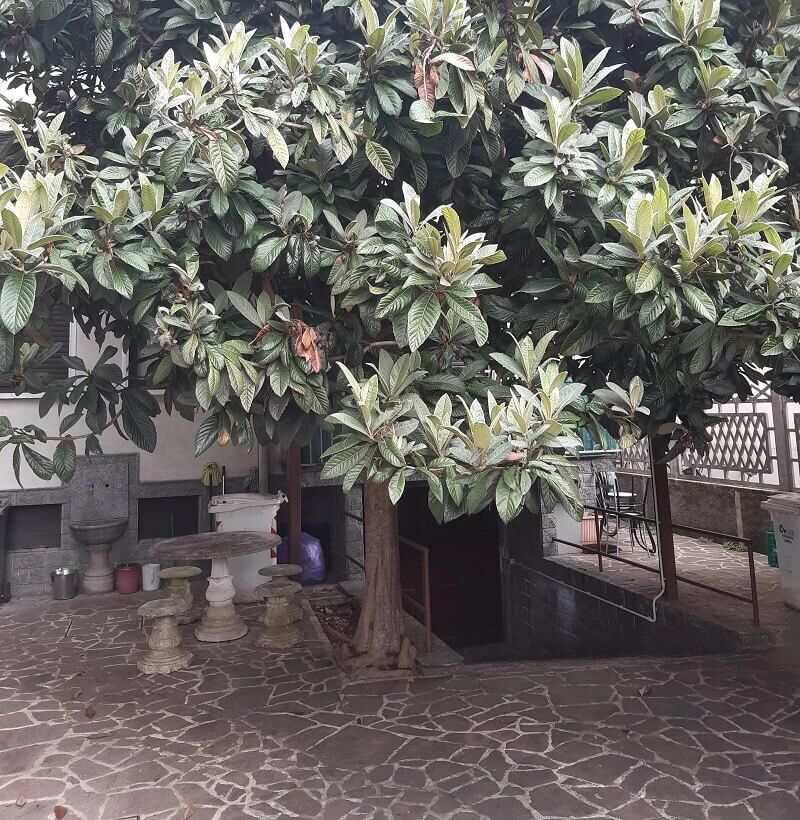
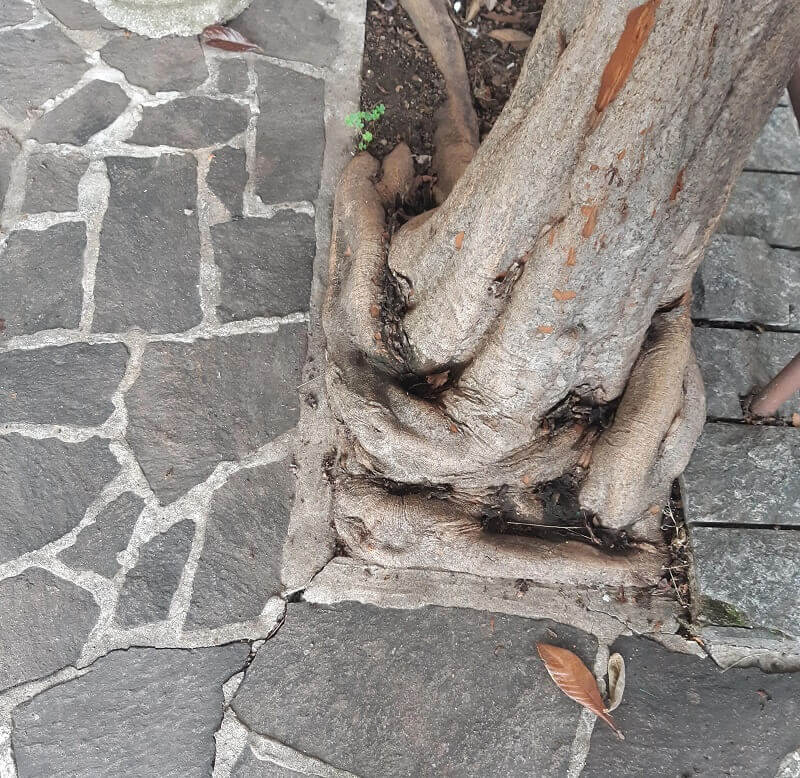
"It reminds me of my deceased mother (she loved it)," the Redditor shared, while also highlighting the tree's aesthetic value and its role in cooling the area and obscuring a nearby skyscraper.
However, a trusted gardener warned the OP of impending damage, advising complete removal without replacement.
This urban tree's plight touches on a broader issue many face: balancing green spaces with city living.
Trees in urban settings improve air quality, reduce stress, and lower energy costs through natural cooling. They're vital allies in creating more livable cities and combating rising temperatures.
TCD Picks » Quince Spotlight
💡These best-sellers from Quince deliver affordable, sustainable luxury for all




Yet urban trees often struggle in limited spaces. When roots collide with infrastructure, it can lead to costly repairs and safety concerns. But before reaching for the chainsaw, it is often worth exploring creative solutions.
Replacing the tree with more space-conserving native plants, for instance, would yield the same benefits the tree does — plus, it would save money and time on maintenance and lower water bills.
Native plants also create a healthy ecosystem for pollinators, which benefits humans, as pollinators protect our food supply.
The OP may want to consider eco-friendly, low-maintenance replacement options such as clover, buffalo grass, and xeriscaping. Even a partial replacement can allow homeowners to reap these benefits.
One commenter proposed another alternative: "Instead of removing the tree to save the concrete, I'd look into removing the pavers and concrete to save the tree." This approach could give the tree more breathing room while preserving its benefits.
Another user, impressed by the tree's resilience, noted: "I wouldn't be worried about damage to pipes, I'm amazed at how well that tree seems to be doing in such a difficult planting location." However, they cautioned that the concrete might eventually strangle the trunk without intervention, potentially leading to the tree's decline.

Join our free newsletter for easy tips to save more and waste less, and don't miss this cool list of easy ways to help yourself while helping the planet.






