


A homeowner looking for a simple under-sink hot-water upgrade ended up with a setup they felt looked far from normal — an instance where efficiency can matter just as much as fit.
What happened?
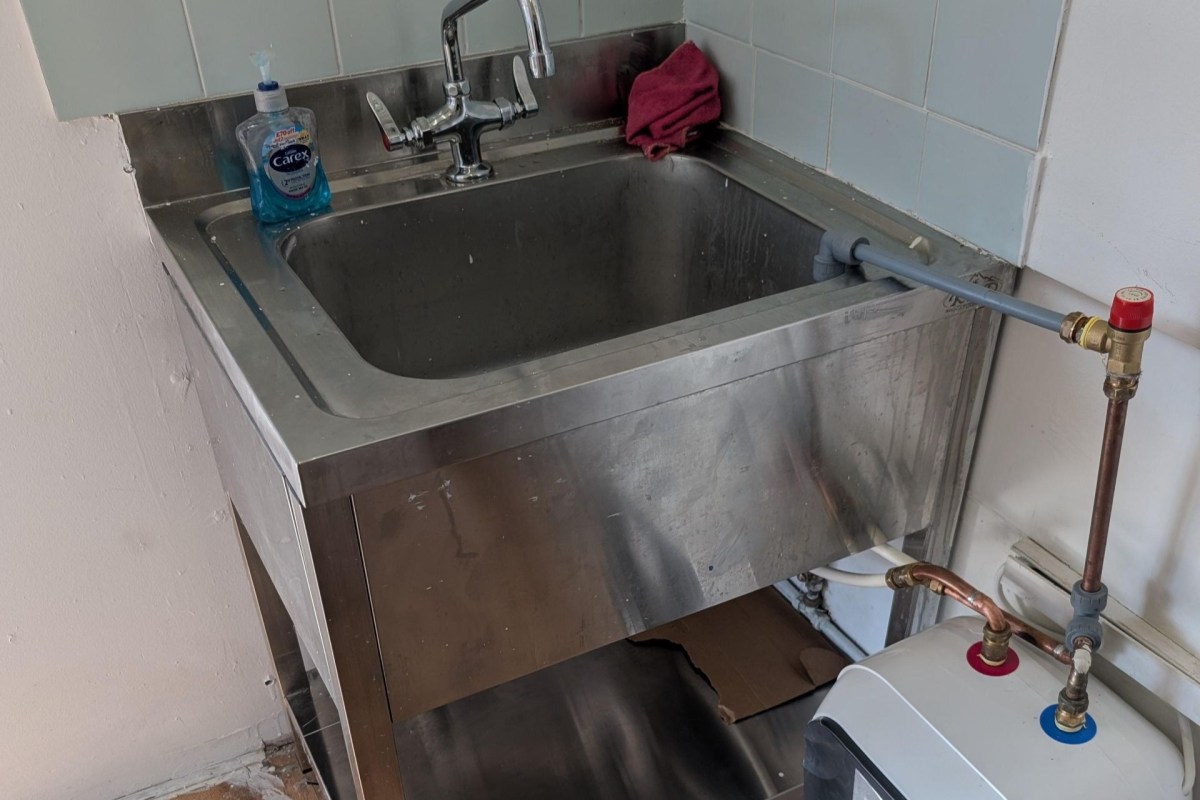
On Reddit, the homeowner said the newly installed Flomasta 2kW 2.6-gallon (10-liter) heater appeared small enough for the space. According to the post, the area under the sink was about 13.8 inches (350 millimeters) tall, and the user believed it "probably could have just about fit," although some commenters disagreed.
More importantly, the plumber decided the electric water heater "can't fit" and chose a side-mounted installation instead. What most concerned the homeowner was a pipe extending into the sink, which the plumber described as "the pressure relief pipe and that's what it's supposed to look like." But the homeowner wrote that the exposed pipe "looks odd and dangerous."
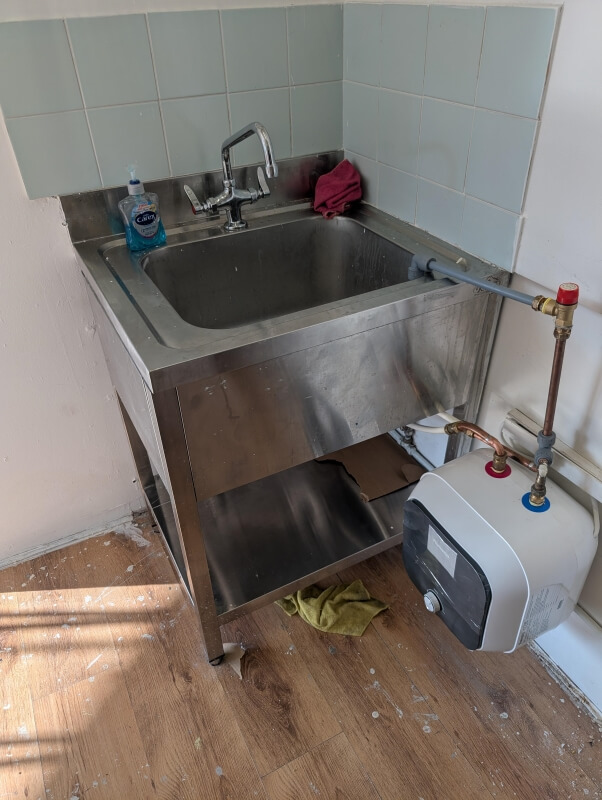
Still unsure and seeking advice, the homeowner asked, "Was this a botched installation? Any easy DIY way to fix it or do we need to get in another plumber?"
Why does it matter?
Hot-water systems combine electricity, heat, and pressurized water, which means even a small point-of-use unit requires careful installation. When a discharge or relief pipe ends in a sink people use every day, homeowners may worry about splashing, leaks, or maintenance issues.
Even if a setup technically works, questionable workmanship can quickly undermine the value of the upgrade. A follow-up service visit, repair, or replacement can erase the convenience and potential savings that come with having faster hot water at the sink.
What can I do?
If a new water-heating setup looks off, the safest next step is usually to get a second opinion from another licensed plumber and compare the work against the product manual. Homeowners can also ask whether the pressure relief line is routed the way the manufacturer intended and whether the installation complies with local plumbing rules.
It is not recommended to modify or cap a relief pipe yourself. Those components are designed to manage pressure, and a DIY change could create a far more serious hazard.
Save $10,000 on solar panels without even sharing your phone number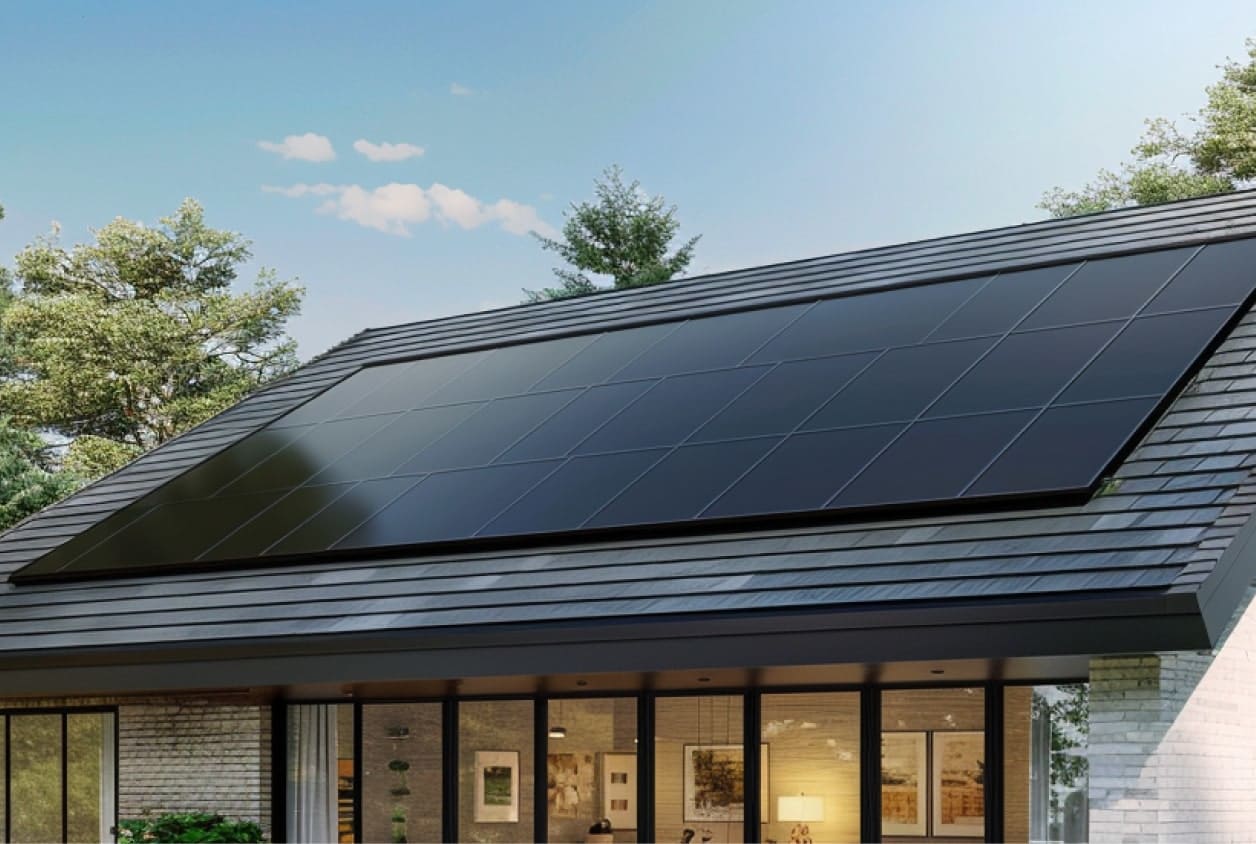 Want to go solar but not sure who to trust? EnergySage has your back with free and transparent quotes from fully vetted providers in your area. To get started, just answer a few questions about your home — no phone number required. Within a day or two, EnergySage will email you the best options for your needs, and their expert advisers can help you compare quotes and pick a winner. Solar panels can save you more than $50k over their 25-year lifespan, and EnergySage can help you save as much as $10k on installation. Which begs the question — isn't that worth an email or two? |

For anyone already considering a replacement instead of a repair, Cala is a great source to find newer, more efficient systems that may be worth a look. Particularly for shoppers comparing long-term costs, Cala shows how a water heater upgrade can be about more than just replacing a broken unit, saving heaps of money long-term.

Get TCD's free newsletters for easy tips, smart advice, and a chance to earn $5,000 toward home upgrades. To see more stories like this one, change your Google preferences here.






