


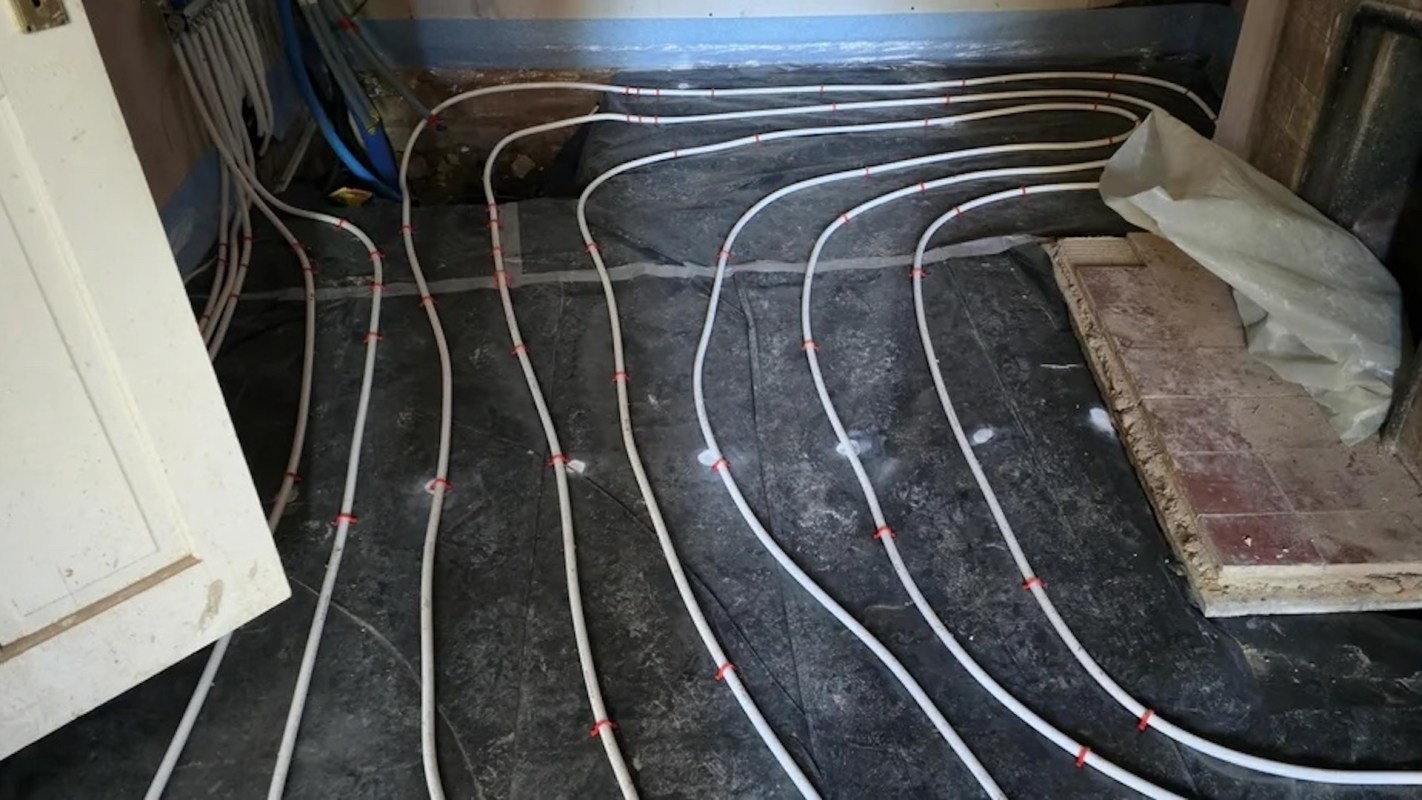
A U.K. homeowner preparing for an air-source heat pump paused after noticing newly laid underfloor-heating pipes winding across the floor in uneven loops.
Because the screed had not yet been poured, the question was whether the layout could create future hot and cold spots or whether it simply looked messier than expected.
Here's what to know
The homeowner sought out guidance in a Reddit thread, describing pipes laid "ready for the ASHP in a few weeks" and asked for "evidence and facts" before demanding a redo.
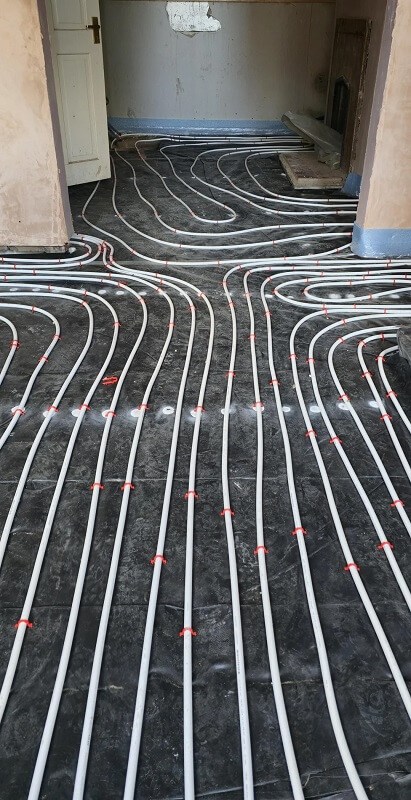
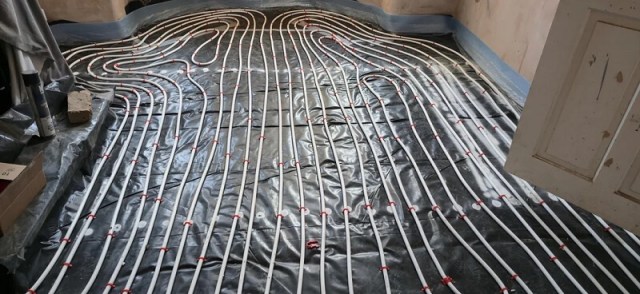
One user said: "It is untidy, you should fix it. There's a reason these systems are typically installed with spacer bars or on grids / egg crates."
"Here's one we did last week to show how it should look," another added.
In the update, the homeowner relayed the installer's rationale: "The back room has a low heat loss so the design only requires 200mm centres. The living room has high heat loss so needs 100mm centres."
For homeowners comparing newer, more efficient HVACs or heat pumps — one of the best ways to cut energy bills and buffer against rising energy prices — Palmetto can help homeowners understand their HVAC options. Its Comfort Plan network can also help readers find efficient heating and cooling solutions for their home and connect them with vetted installers.
More background
Any doubts about the installation become much harder to assess once the screed is poured, since the pipe layout is no longer visible.
Crushed by your bills? See instant solar savings from vetted installers in just a few clicks With energy prices through the roof, there's never been a better time to go solar — and EasyHome can help you find the best prices from the best installers in your area. EasyHome takes the guesswork and headaches out of energy upgrades by showing you estimated savings from a network of vetted local partners. To get started, just enter your ZIP and share a few details about your home — seeing your estimate is really that easy. |

According to the homeowner, the company said the "[wiggly] pipes" were mainly an appearance issue rather than a performance problem because the screed and ceramic tiles would spread heat across the floor.
That room-by-room spacing difference — 200 mm (7.9 inches) in the back room versus 100 mm (3.9 inches) in the living room — was central to deciding whether the layout reflected a design issue or just looked messy.
What can be done?
Because the floor had not yet been covered, the homeowner still had a chance to raise the concern directly with the company, and users suggested discussing the absence of spacer bars and grids.
Homeowners who want more support sorting through heating and cooling choices can also look at Palmetto's Comfort Plan. If paying upfront is a hurdle, the program includes $0-down options that can lower heating and cooling costs by up to 50%, and Palmetto Comfort Plans include 12 years of free maintenance.
Homeowners can also pair solar panels with electric appliances, including efficient HVACs, to drive utility costs even lower. EnergySage makes it easier to compare solar options and installers for a home's needs and budget, and it can help homeowners save up to $10,000 on solar installations.
Where can I learn more?
Other U.K. homeowners have raised similar concerns after heat pump, boiler, and plumbing installs looked off or started causing problems early. The articles below follow those questions and the labor issues behind them.
• Plumbers said the loft cylinder install likely caused worsening taps.
• A heat pump customer found a buffer tank on the kitchen worktop.
• A homeowner discovered the combi boiler plugged into an extension reel.
• Users blamed the installer when a 12-month-old boiler started leaking.

Get TCD's free newsletters for easy tips, smart advice, and a chance to earn $5,000 toward home upgrades. To see more stories like this one, change your Google preferences here.






