


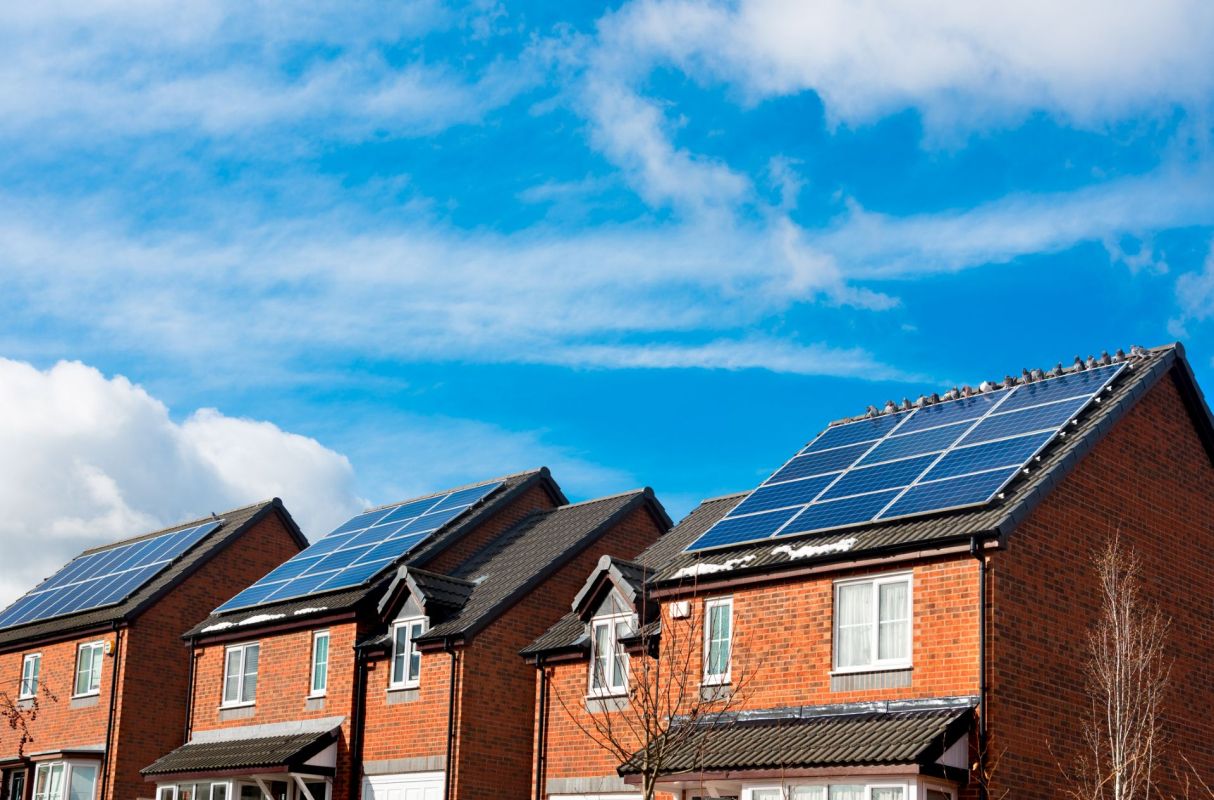
Homeowner Joanne Marshall expected replacing her aging solar setup would improve performance, but the size of the savings still surprised her.
After the roughly £6,000 ($8,025) upgrade, her monthly electricity bill fell from about £120 ($160) to around £40 ($54), according to The Independent.
Here's what to know
In July 2025, Marshall and her husband, who live in a detached three-bedroom house near Cheltenham in Gloucestershire, England, had a new 4-kilowatt solar system and home battery installed after 15 years.
The setup has both lowered her electricity costs and earned her payments for the power her panels generate.
As an accountant, Marshall has been tracking the numbers closely.
She estimates the installation may break even in about three years rather than the five or six she first expected. That result, however, will depend on electricity generation, energy prices, and tariff payments.
Going solar is one of the best ways to save money on home energy, and solar leases in particular can deliver hundreds of dollars in monthly savings without any upfront costs. EasyHome shows you potential savings from vetted installers in your area.
Marshall has increased the benefit further by shifting household chores into daylight hours, when the panels are producing electricity. She also uses appliances like her dishwasher and washing machine at that time.
Crushed by your bills? See instant solar savings from vetted installers in just a few clicks With energy prices through the roof, there's never been a better time to go solar — and EasyHome can help you find the best prices from the best installers in your area. EasyHome takes the guesswork and headaches out of energy upgrades by showing you estimated savings from a network of vetted local partners. To get started, just enter your ZIP and share a few details about your home — seeing your estimate is really that easy. |

"I'm always checking the smart meter when I put things on to make sure it's not moving," Marshall said. "I love it when the needle doesn't move at all."
More background
Marshall's original 2-kW system cost roughly £15,000 ($20,000), and by the time she considered a replacement, it had become less efficient and had lost two panels in a storm.
The roughly £6,000 ($8,025) system she chose through OVO Energy doubled capacity and included battery storage.
Batteries "used to be really expensive, but they've come down so much in price," she said.
EasyHome's free explorer tool can also help readers sort through solar choices, from installer options to likely savings. It also lets you explore backup battery storage, and pairing solar with a battery lets you maximize savings and power your home with solar when the grid goes down.
Rather than sending every bit of daytime surplus straight back to the grid, Marshall can now save some of that solar power for later.
But she also discovered a drawback: because she lives in an exposed rural area where power cuts happen relatively often, standard grid-connected solar-and-battery systems typically need extra backup equipment if homeowners want electricity during an outage.
What can be done?
Marshall's main advice is not to focus only on the headline cost.
Her first installer took a long time to finish the work and later went bankrupt, so before selecting OVO, she checked reviews, examined providers' financial stability, and gathered two quotes.
She also recommends confirming that warranties are backed by insurance.
After experiencing the savings herself and learning what details matter during the buying process, Marshall's message to other homeowners is straightforward.
"I would say definitely do it. But do your research."
Where can I learn more?
Upgrades and simple shifts in when you use electricity can reshape a household power bill.
• Across the U.S., homeowners are saving $2,000 a year after upgrading to solar.
• For many households, free electricity for decades can add up to six-figure savings.
• On Reddit, solar owners say their systems actually save enough to make skeptics reconsider.

Get TCD's free newsletters for easy tips, smart advice, and a chance to earn $5,000 toward home upgrades. To see more stories like this one, change your Google preferences here.






