


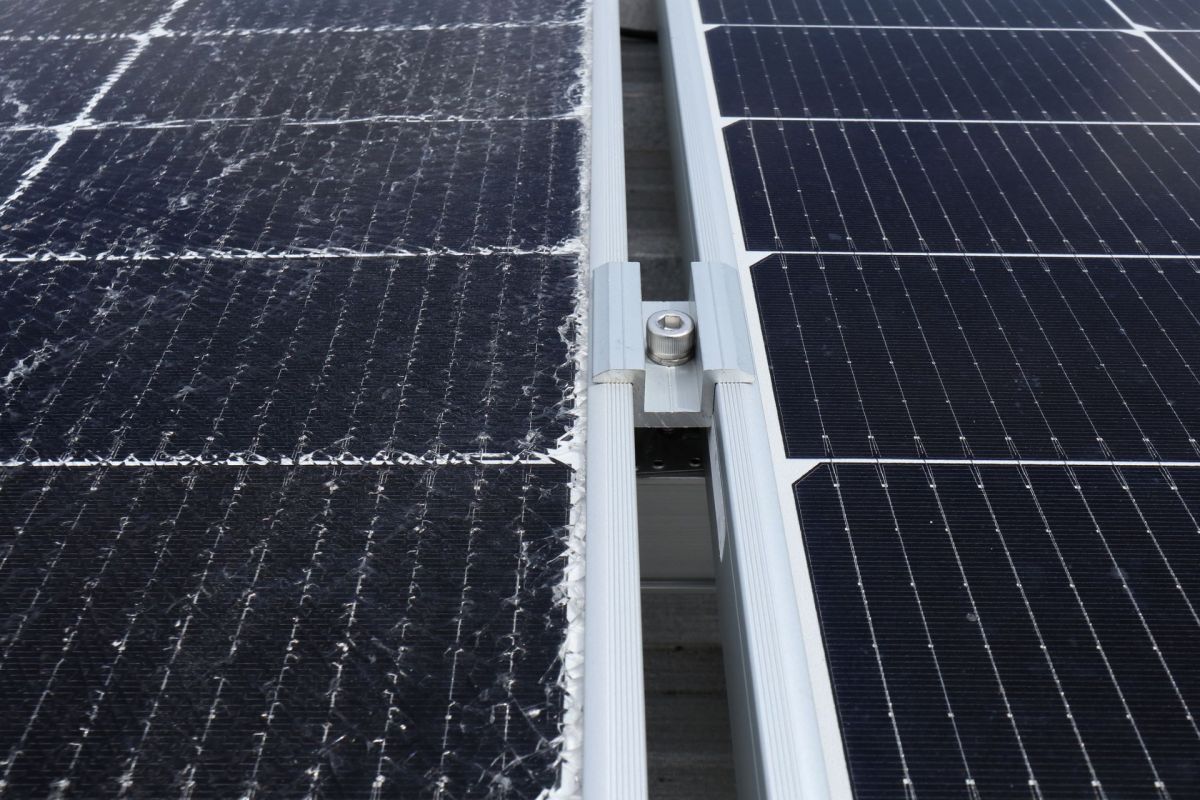
A poorly executed solar project can turn an upgrade meant to lower energy bills into a costly problem. In the U.K., homeowners are being warned that roof leaks, faulty wiring, weak panel performance, and even unfinished installations can all be valid reasons to file a formal complaint.
Not every issue is obvious on day one. Sometimes the signs only emerge later, after months of poor electricity output, missing documents, or damage to the home itself.
Here's what to know
U.K. homeowners may have legal protection if a solar installer does work that falls below an acceptable standard. Under the Consumer Rights Act 2015, installation companies generally must complete the work to a competent standard, and customers can usually ask them to fix faults at no extra cost, according to The Independent. If the company refuses, customers may be entitled to a refund or price reduction, depending on the circumstances.
Problems can show up in several ways. These may include roof leaks caused by poorly installed mounting brackets, loose electrical connections, faulty inverters or batteries, systems that were not fully commissioned, and missing paperwork such as MCS certificates, warranties, or electrical installation certificates.
Lower output can be a red flag, but it does not automatically mean the system is faulty. Consider seasonal slowdowns and cloudy weather before deciding something is broken.
If you suspect a problem, avoid trying to fix it yourself. A safer first step is to check the inverter or monitoring app for alerts, compare real-world generation with the installer's estimates, and look for visible damage from a safe location.
Still, going solar is still one of the best ways to save money on home energy, and solar leases in particular can deliver hundreds of dollars in monthly savings without any upfront costs. Readers can use EasyHome's free explorer tool to see their potential savings from vetted installers in their area.
More background
If the installer will not cooperate, other consumer-protection channels may be available. The Independent reported that the Microgeneration Certification Scheme (MCS) can investigate complaints about poor quality, unfinished installations, commissioning disputes, and property damage.
Crushed by your bills? See instant solar savings from vetted installers in just a few clicks With energy prices through the roof, there's never been a better time to go solar — and EasyHome can help you find the best prices from the best installers in your area. EasyHome takes the guesswork and headaches out of energy upgrades by showing you estimated savings from a network of vetted local partners. To get started, just enter your ZIP and share a few details about your home — seeing your estimate is really that easy. |

Some installers also belong to RECC or HIES, and both organizations provide dispute-resolution options. Since January 2026, Green Homes Dispute Resolution has handled new RECC complaints.
Homeowners may still have possible routes to compensation even if the installer has shut down, including manufacturer warranties, insurance-backed guarantees, or deposit-protection arrangements.
Those who paid by credit card may also be able to rely on Section 75, which can make the card provider share liability.
What can be done?
A good starting point is to build a record of the problem. Homeowners should collect photos of the damage, screenshots of inverter warnings, generation logs, quotes, contracts, bills, warranties, and certificates, and keep a dated record of every email, text, and phone call with the installer.
The Independent, citing Citizens Advice, says the complaint should go in writing to the company that sold or arranged the solar system, even if a subcontractor carried out the installation. Customers should ask for a written reply and give the business a reasonable deadline to inspect the system or correct the fault.
If there are immediate safety concerns, including sparking, exposed wiring, or a burning smell, contact a qualified electrician or solar professional right away.
If the original installer says it is not responsible or still cannot identify the cause, an independent inspection from a solar installer, electrician, roofer, or surveyor may support the complaint. And for anyone still exploring solar, EasyHome's free explorer tool can help compare vetted options in one place. EasyHome can also help with backup battery storage, which can maximize savings and let homeowners keep using solar power when the grid goes down.
Where can I learn more?
These stories show how solar complaints can spiral when installations are damaged, delayed, or badly finished.
• An installer allegedly drilled bird mesh into panels, leaving the warranty invalid.
• A 13-panel job left scratches, crooked rows, and talk of starting over.
• One solar project stalled over battery Wi-Fi and missing bird protection.
• A homeowner paid more for support, then got ghosted by the installer.
• An MCS certificate listed one model, but cheaper solar panels appeared instead.

Get TCD's free newsletters for easy tips, smart advice, and a chance to earn $5,000 toward home upgrades. To see more stories like this one, change your Google preferences here.






