


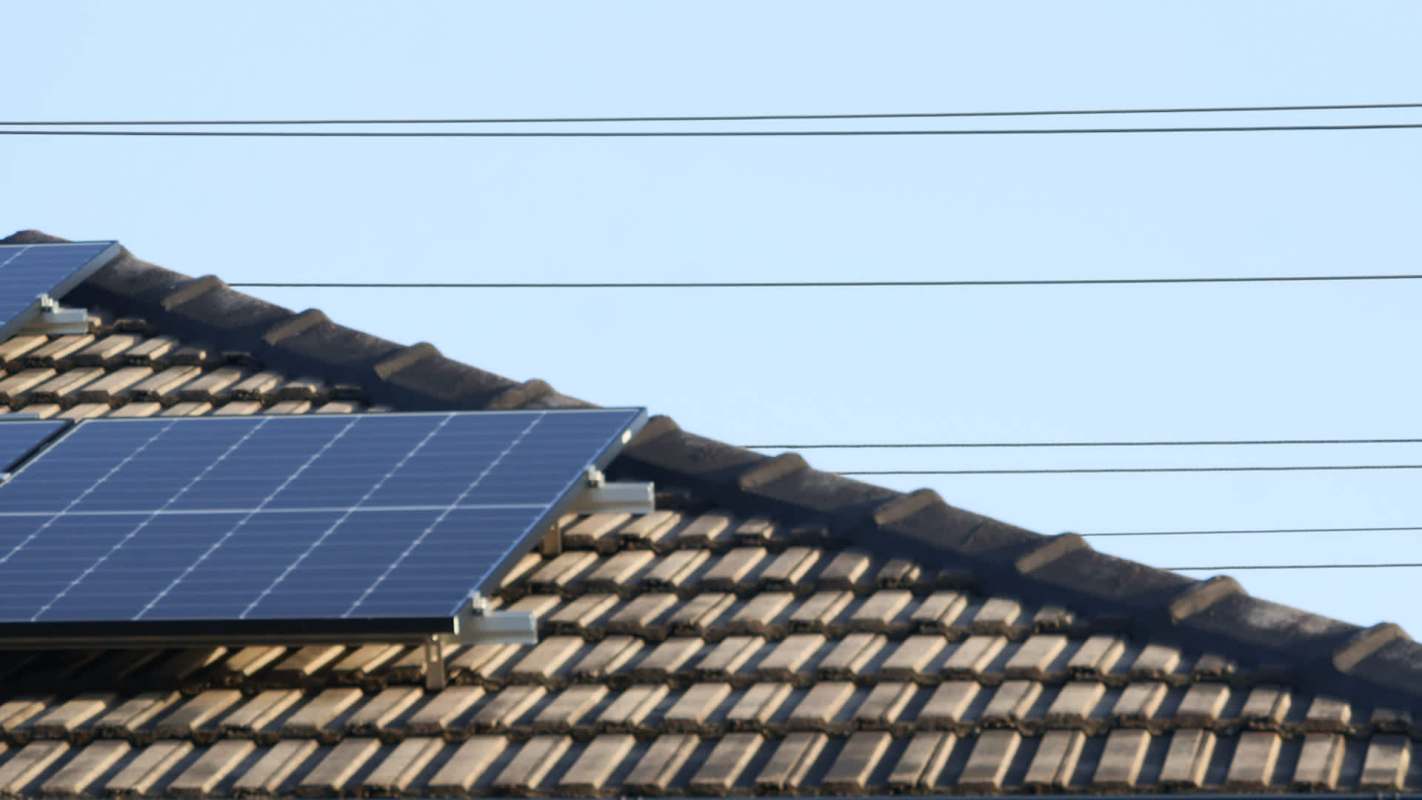
Selling rooftop solar power back to the grid may seem like an easy way to save money, but one U.K. homeowner said that may only be half the story.
Here's what to know
A Trusted Reviews writer, David Ludlow, examined how electricity rates affected the value of his solar-and-battery setup, drawing on roughly a year with the panels and a battery installation.
Ludlow challenged the idea that selling solar back to the grid is profitable.
Using solar electricity at home rather than exporting it offered a potential saving of 14 pence per kilowatt-hour under the standard Octopus tariff, he said.
The risk with a variable export tariff is having to buy back more electricity than you earned. However, if that can be avoided, selling during high-paying periods may be worthwhile.
For homeowners considering home energy storage, EnergySage offers a resource to explore battery products and compare competitive installation estimates against the needs of their solar setup.
EnergySage has partnered with electrification company Qmerit to help homeowners secure the best available battery-storage pricing.
More background
A battery must be able to supply enough power for the appliances running at the same time. Otherwise, you may end up drawing from the grid, Ludlow warned.
Crushed by your bills? See instant solar savings from vetted installers in just a few clicks With energy prices through the roof, there's never been a better time to go solar — and EasyHome can help you find the best prices from the best installers in your area. EasyHome takes the guesswork and headaches out of energy upgrades by showing you estimated savings from a network of vetted local partners. To get started, just enter your ZIP and share a few details about your home — seeing your estimate is really that easy. |

His system supplies up to 2,500 watts.
Running an induction cooktop and oven together can exceed the output of even a 3,000-watt system, requiring the household to draw electricity from the grid.
A suitably configured home battery can also provide backup during outages while potentially reducing electricity purchases. Storage can also help households become more energy independent and support off-grid use when paired with an appropriately designed power system.
For people seeking backup without a whole-home installation, Pila offers a plug-and-play battery alternative at a substantially lower price point than whole-home backup systems.
What can be done?
Charging a battery cheaply to cover more expensive hours can be useful when solar production drops in autumn and winter. In Ludlow's example, using Octopus Flux in London, the peak rate was 37.78 pence per kilowatt-hour, versus 16.17 pence between 2 a.m. and 5 a.m.
Ludlow also recommended running the dishwasher and washing machine at separate times and checking the solar app and smart meter to monitor electricity use.
He replaced an electric office heater with an 800-watt infrared panel that his solar panels and battery could power.
A lower-powered kettle offered another practical solution.
"Importantly, for me, boiling the kettle with standard house use keeps me below the maximum 2500W that my battery can output, so I can have hot water without power from the grid," he shared.

Get TCD's free newsletters for easy tips, smart advice, and a chance to earn $5,000 toward home upgrades. To see more stories like this one, change your Google preferences here.






