


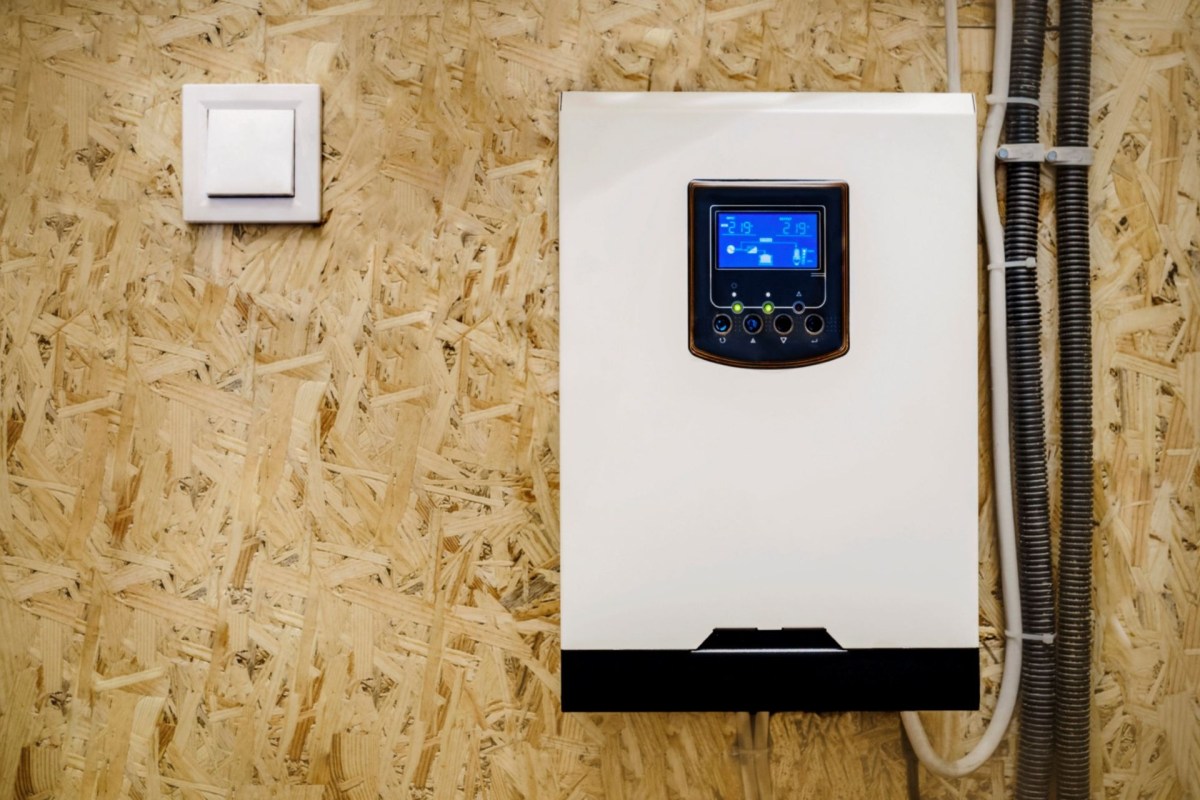
The time needed to recover an upfront investment is at the heart of a U.K. homeowner's question about a £9,000 ($12,000) solar-and-battery installation.
With annual electricity use of just 2,100 kilowatt-hours, the answer could depend heavily on payments for power sent back to the grid.
Here's what to know
Whether a heat pump would be needed to make the investment worthwhile was part of the homeowner's question on Reddit.
"Summer months might experience higher demand due to portable ACs, but not sure if it's worth getting solar and battery unless we have a heat pump," the original poster wrote. "What are people's thoughts on it? Is it worth spending 9k on this and waiting for a long payback?"
The homeowner estimated an eight- to nine-year payback "using export and smart tariff." That contrasted with one commenter's estimate of more than 15 years to recover the installation cost.
Another flagged the risk of relying on payments for exported electricity.
"The long-term trend for export costs is down as more supply comes online," they wrote.
"Given you're using way less than you'll generate, you're more exposed to export price drops than most people. I found this when doing my own payback calculations — we use just 1400 kWh per year."
Crushed by your bills? See instant solar savings from vetted installers in just a few clicks With energy prices through the roof, there's never been a better time to go solar — and EasyHome can help you find the best prices from the best installers in your area. EasyHome takes the guesswork and headaches out of energy upgrades by showing you estimated savings from a network of vetted local partners. To get started, just enter your ZIP and share a few details about your home — seeing your estimate is really that easy. |

Adding home battery storage can be an excellent way to save money on electric bills. Homeowners exploring storage can look into EnergySage for home battery options, including competitive installation estimates. EnergySage has teamed up with electrification brand Qmerit to help homeowners get the best price on home battery storage solutions.
More background
Adding battery storage can protect your home during outages, save money on energy, and provide greater energy independence.
But automatic backup power is not guaranteed simply because a home has a battery. As one person explained, keeping the battery working during an outage may require a compatible gateway device or manual switch.
Higher-priced hours offer another potential use for stored energy. Commenters also described using or exporting electricity bought at cheaper overnight rates to reduce bills.
The gap between import and export prices could favor selling solar electricity rather than storing it, one suggested.
The homeowner's potential use of air conditioning could push future electricity demand above the 2,100 kWh, though.
What can be done?
Installation quotes would give the homeowner a way to compare battery storage alone with a combined solar-and-battery system, a commenter advised.
Others disagreed over which option would best suit the low-use household.
One suggested using Predbat to manage battery charging and exports alongside an Economy 7 or EV-style tariff. For equipment with higher power demands, they cautioned, the household could still need grid electricity if the inverter were undersized.
Pila is another company offering strong battery backup options. Its plug-and-play batteries are priced at a fraction of what a whole-home backup system would cost. That offers another price point to compare, while checking whether the equipment meets the household's intended backup needs.
After one commenter questioned whether a roughly 10-year battery warranty posed a problem for the payback period, another offered a reminder: "Stuff doesn't just die as soon as the warranty ends."
Where can I learn more?
Other U.K. homeowners have been weighing similar questions about installation costs, export income, and how long solar and batteries take to pay for themselves.
• U.K. home battery owners said virtual power plants added $200-plus in export income.
• A homeowner's 19-panel system generated 284 kWh in its first week, but export payments awaited.
• A London homeowner questioned a $20,000 solar-and-battery quote, and other owners called the price fair.
• A homeowner's $4,000 solar-and-battery budget drew warnings that the expectation was much too optimistic.

Get TCD's free newsletters for easy tips, smart advice, and a chance to earn $5,000 toward home upgrades. To see more stories like this one, change your Google preferences here.






