


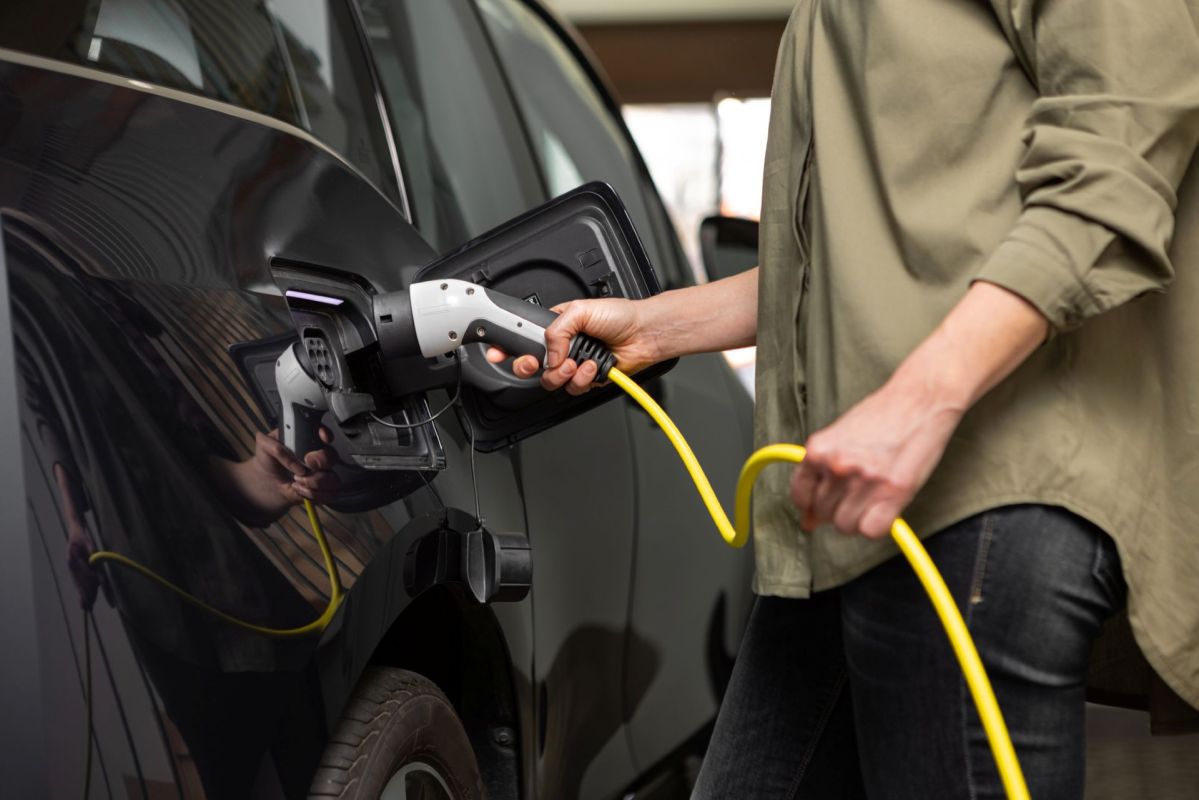
A U.K. homeowner shopping for solar-and-battery quotes realized that one line item may be quietly driving up the price: overnight electric vehicle charging.
The question came up on r/SolarUK after the poster noticed that earlier estimates had been based on total household electricity use, including low-cost off-peak charging for an EV.
Here's what to know
Adding battery storage is one of the best ways to protect your home during outages, save money on energy, and gain more energy independence. A battery can also help households shift usage away from expensive periods, so getting the size right matters.
For this homeowner, if they keep EV demand in the quote, their installers will end up sizing panels and storage around power the roof and battery were never meant to supply.
"Am I right in thinking that when getting a quote for a solar and battery system you exclude the consumption used for charging an EV on a cheap overnight tariff," they wondered.
Their reasoning was that the battery would be "better used to power the house during peak rate hours," but an internet search was pulling up conflicting information.
The original poster referred to their dilemma as "the million dollar question" and thought it might even make more sense just to get a battery. Pairing solar panels with battery storage can reduce energy costs more significantly over time, but home battery storage can still lower electric bills and protect against power outages without a solar system.
If you're comparing options, EnergySage can help you explore home battery storage choices and competitive installation estimates. EnergySage has teamed up with electrification brand Qmerit to help homeowners get the best price on home battery storage solutions.
Crushed by your bills? See instant solar savings from vetted installers in just a few clicks With energy prices through the roof, there's never been a better time to go solar — and EasyHome can help you find the best prices from the best installers in your area. EasyHome takes the guesswork and headaches out of energy upgrades by showing you estimated savings from a network of vetted local partners. To get started, just enter your ZIP and share a few details about your home — seeing your estimate is really that easy. |

What can be done?
For homeowners gathering quotes, the best starting point is to size the system around the demand that solar panels or a home battery can realistically serve.
In this case, some believed the OP would be better off excluding EV demand from their quotes.
"You'll never charge the EV from the battery, if you have 20kw battery the car is probably 60kw so it will not make sense," one person advised.
As one commenter shared, though, the right answer could change depending on the situation.
"My import is always going to be substantially higher than export, so I'm happy to stick ~10kWh from the battery into the car when I get home if it's been a sunny day," they explained.
How the charger is wired can matter too. Setting up the solar-and-battery system so that it does not register EV demand can stop the home battery from emptying everything into the vehicle.
For people who want backup power without going straight to a whole-home installation, Pila offers strong battery options, and Pila's plug-and-play batteries are priced at a fraction of what a whole-home backup system would cost.
Ultimately, battery storage savings will depend on fitting the system to the loads it is actually meant to cover, not to overnight charging that is already cheapest to run from the grid.
Where can I learn more?
Solar, battery, and EV-charging tradeoffs can all shape a quote.
• One homeowner skipped upgrades and used portable panels to charge an EV.
• A homeowner skipped the battery, added an EV charger, and said solar works fine.
• In the U.K., Nissan's push could help EVs charge directly from the sun.
• EnergySage's COO unraveled the mystery of solar costs and pricing traps.
• Home energy experts said at-home chargers can save money when they're installed thoughtfully.

Get TCD's free newsletters for easy tips, smart advice, and a chance to earn $5,000 toward home upgrades. To see more stories like this one, change your Google preferences here.






