


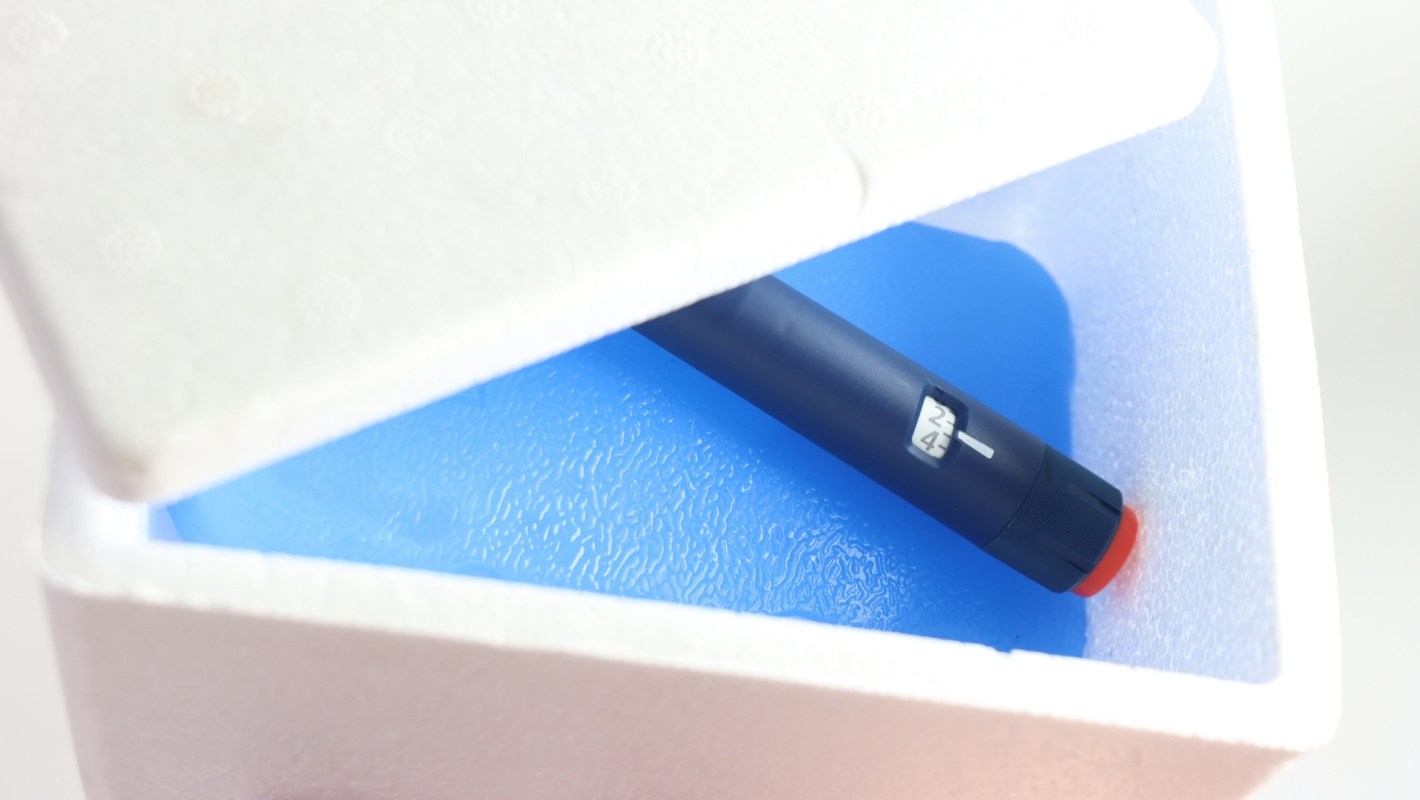
A woman in the United Kingdom looking for a way to keep her husband's insulin refrigerated during a power outage found several alternatives to buying a generator, thanks to advice from an online community.
Here's what to know
Posting on Reddit, the woman explained to the r/UKpreppers subreddit that her husband's insulin was stored in a refrigerator at about 39 degrees Fahrenheit (4 degrees Celsius).
Her uncertainty concerned the likelihood of a three-day power cut. The household had already prepared for an emergency lasting that long.
They asked: "Should we get a small generator and fridge? Are there any diabetics here with advice?"
One person who identified as having Type 1 diabetes said they owned Frio cooling wallets, but also thought the original poster's concern might be overstated.
"My understanding is that insulin is fine at room temperature for 28 days and after that will gradually lose potency," they added. "So for a 3 day power cut scenario, I'm not worrying too much about it."
TCD Picks » Quince Spotlight
💡These best-sellers from Quince deliver affordable, sustainable luxury for all




More background
For peace of mind, others suggested USB-powered insulin travel coolers, a portable refrigerator connected to a battery, or an insulated box filled with ice packs.
The original poster wasn't alone in worrying about a worst-case-scenario outage.
"I'm so glad I've seen this," a commenter shared. "I've been spiraling for the last few days about what we would do in the event of a long power cut with my husband's insulin. I have so much anxiety that it'll be longer than three days, or it'll be a full on war and supplies will be cut and we won't be able to find insulin. It's keeping me up at night."
More comforting anecdotes about insulin surviving outside a fridge came from a Type-1 Diabetic poster in the thread.
"I have kept insulin out of the fridge for 3 months, and as far as I can tell it worked exactly as normal," they shared. "This wasn't just a single usage either, but my entire supply for a while."
They caveated that they weren't sure every type of insulin would withstand room temperature that well, but said they "very strongly suspect most insulins will be fine for a good while."
What can be done?
A commenter asked whether the household had joined the Priority Services Register, which could help if their electricity supply was interrupted. The original poster said they didn't know it existed and planned to register.
Elsewhere in the thread, they expressed openness to portable fridges and insulin travel coolers as well as fridges that used a coolant. Testimonials from diabetics in the thread about insulin's ability to withstand room temperature had made them feel much better, though.
"It reassured me that we won't have a storage problem in the short term," they wrote. "Supply would be the problem in the long term."
Where can I learn more?
Backup power can help keep medical equipment running and refrigerators cold during a power cut.
• In the UK, a utility supplied a backup CPAP battery after repeated power cuts.
• An apartment renter powered a refrigerator with Jackery while commenters recommended butane for cooking.
• A homeowner's 2-kWh EcoFlow backup battery powered a large refrigerator for about 22 hours.

Get TCD's free newsletters for easy tips, smart advice, and a chance to earn $5,000 toward home upgrades. To see more stories like this one, change your Google preferences here.






