


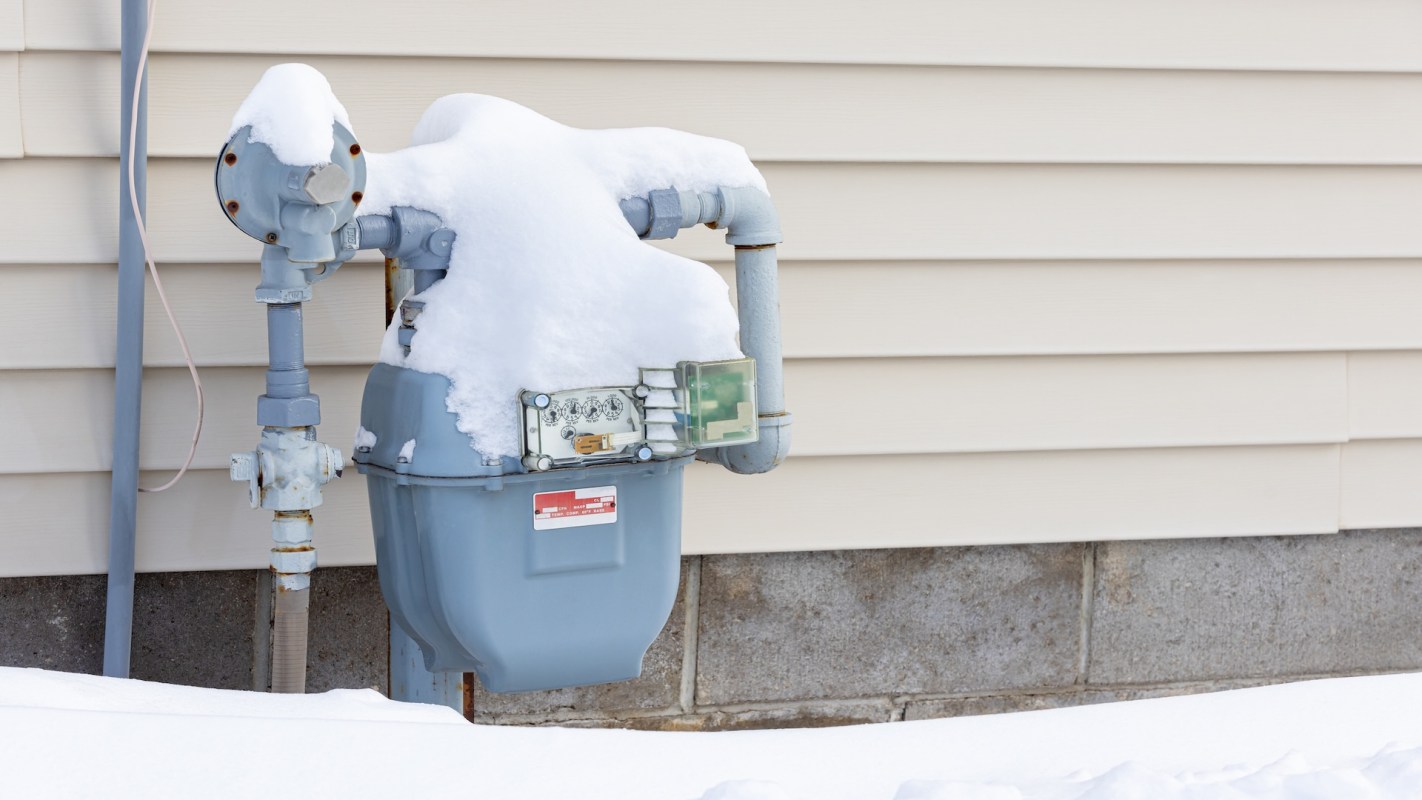
Winter heating season can tighten household budgets, but a reminder from U.K. consumer organization Which? (@whichuk) shows some of the easiest savings may begin with a quick look at your energy plan and one everyday appliance.
For households hoping to avoid a painful jump in cold-weather costs, even small changes before temperatures drop could add up over the winter.
Here's what to know
Which? shared an Instagram post encouraging households to review their energy plans and washing machine habits as part of a money-saving routine ahead of winter, most of which is applicable to anyone around the world using modern appliances.
For instance, Steph Kipling, Which?'s science team manager, said that running a dishwasher, washing machine, or dryer without a full load means using them more often, which can run up your bills. It's worth noting, though, that you shouldn't overload a washing machine or dryer either as it can risk damage or needing to run the machine all over again if the results are poor.
She also advised using eco settings and turning down your washing machine's max heat setting to 30 degrees Celsius (86 Fahrenheit), which she said would save about 38% on energy costs compared to using 40 C (104 F). Some washers have several heating options, such as tap cold, cool, warm, hot, and sanitize, and generally most loads do not require any heat — especially if working with a detergent that says it's optimized to wash in cold water.
Emily Seymour, the energy and sustainability editor, said insulating homes is another great step. "It doesn't need to be massive — any kind of draft-proofing will help — but make sure that you leave some ventilation," she said. Ventilation is particularly important in attic spaces since blocked airflow can lead to mold and roof damage, such as rotting wood and ice dams.
They also noted a tariff or bill check can reveal whether a household is paying more per unit of energy than it needs to. It can be helpful to talk to neighbors and search online to make sure you're not missing out on anything.
More background
The checks highlighted by Which? can be done quickly.
Save $10,000 on solar panels without even sharing your phone number Want to go solar but not sure who to trust? EnergySage has your back with free and transparent quotes from fully vetted providers that can help you save as much as $10k on installation. To get started, just answer a few questions about your home — no phone number required. Within a day or two, EnergySage will email you the best local options for your needs, and their expert advisers can help you compare quotes and pick a winner. |

Comparing tariffs, cutting waste, and being more intentional with appliance use can add up to meaningful savings over a long heating season, especially when paired with upgrades for homeowners who are ready to make them.
A practical place to begin is by seeing how your energy deal stacks up against other options, then reviewing everyday electricity habits at home for simple ways to use less.
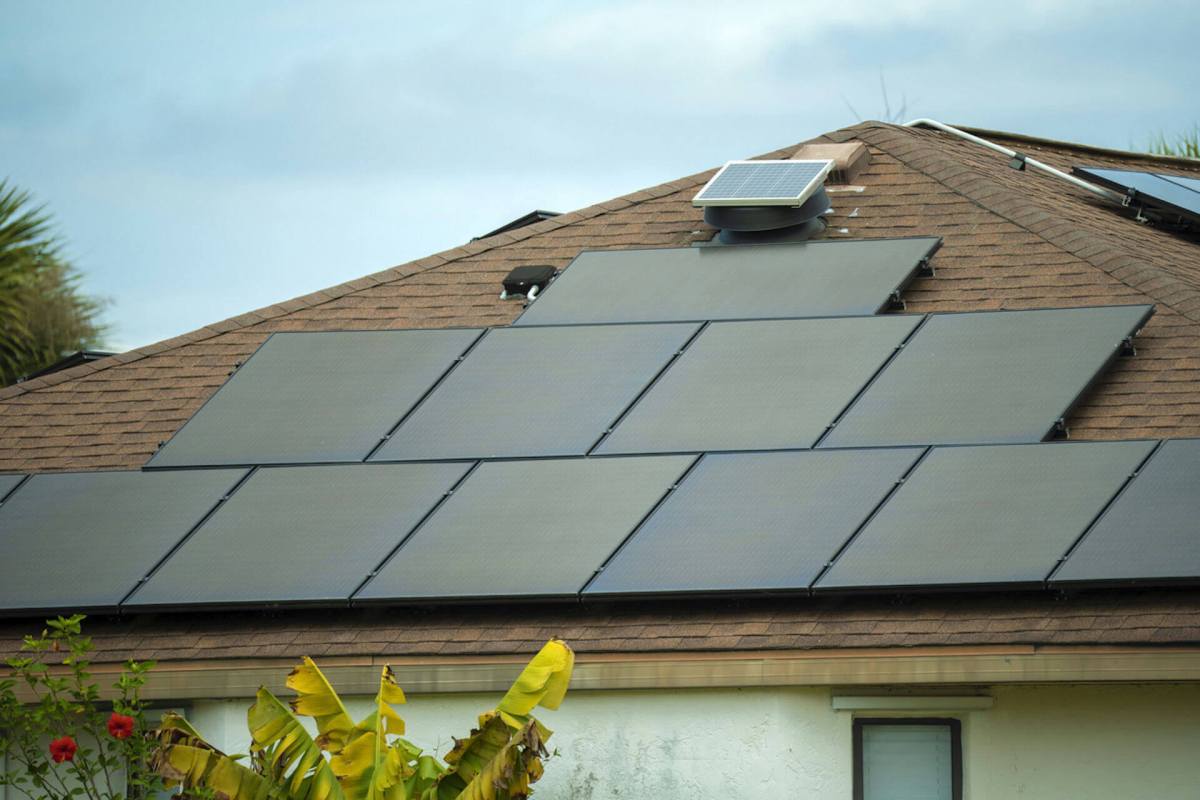
For people considering a larger investment, EnergySage's solar map shows the average cost of a home solar panel system by state along with details on solar panel incentives in each state. Together, those tools can help you get the best price for rooftop solar panels and access available incentives.
Adding battery storage to a solar setup is also one of the best ways to protect your home during outages, save money on energy, and go off-grid. You can explore EnergySage for information about home battery storage options, including competitive installation estimates.
More From EnergySage
💡Go deep on the latest news and trends shaping the residential solar landscape


EnergySage can be especially helpful for shoppers seeking transparency before making a major purchase. Solar savings can turn a high-cost home upgrade into a much more realistic long-term bill-cutting strategy.
Where can I learn more?
If you want more ideas for cutting home energy costs, these articles explore upgrades and habits worth considering, especially during heavy-use seasons.
• Air-drying laundry can cut electricity use and lower monthly bills.
• For some households, small daily power habits can trim electric bills up to 25%.
• With a smart thermostat upgrade, homeowners can curb winter heating costs and cut pollution.
• Swapping outdoor halogens for efficient LEDs can shrink electricity use over time.
• In hot regions, cool roof upgrades can ease indoor temperatures and reduce energy costs.

Get TCD's free newsletters for easy tips, smart advice, and a chance to earn $5,000 toward home upgrades. To see more stories like this one, change your Google preferences here.






