


Daily electricity usage charges fell 75% for a U.K. household in the first four days after its solar panels and home battery were installed.
The results follow a £14,300 ($18,870) investment in a system the family hoped would substantially reduce its electricity bills.
Here's what to know
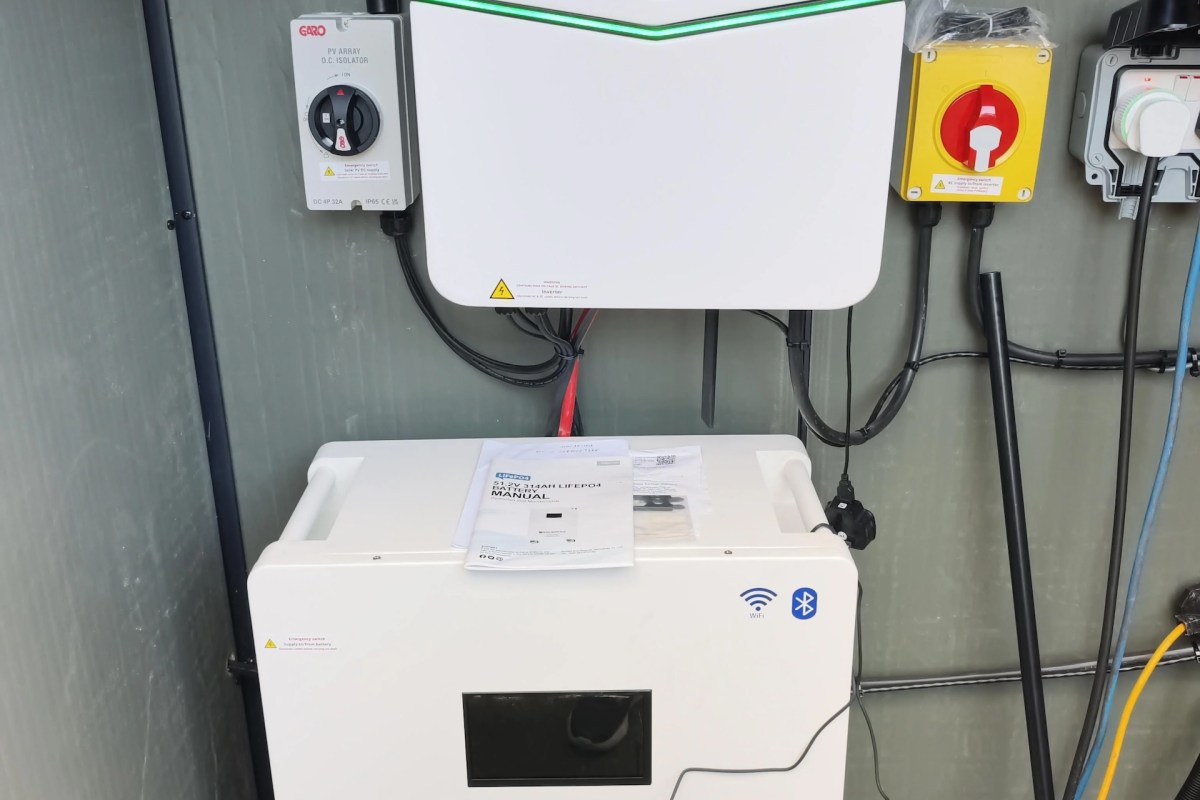
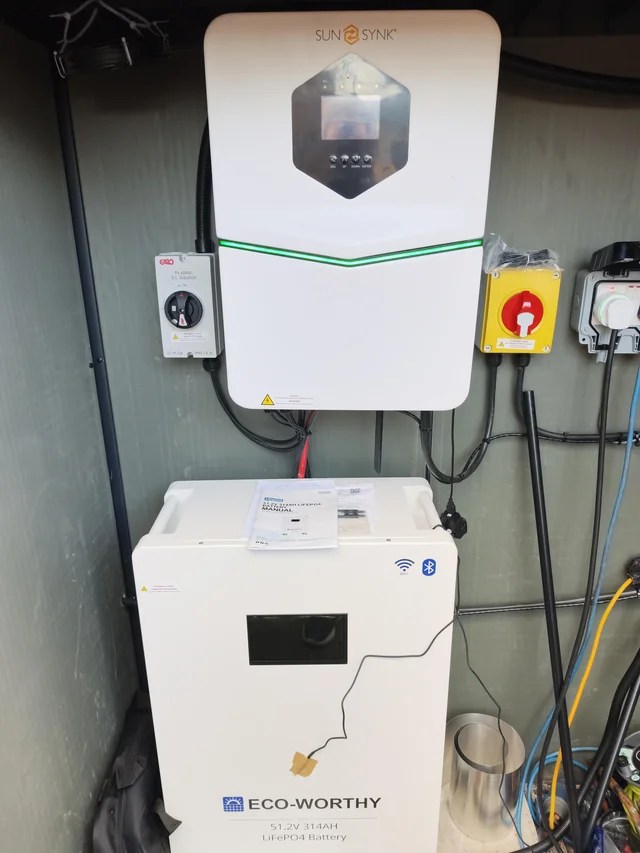
On Reddit, the homeowner described a setup with a 13.5-kilowatt-hour Tesla Powerwall 3 battery, an 11.04-kilowatt inverter, and a Tesla Gateway. The system's 20 LONGi 490-watt solar panels provide a combined peak capacity of 9.8 kilowatts.
The household used about 9,000 kilowatt-hours of electricity annually, and the installation came with an expected payback period of five to six years.
"We average £250 ($330) on electricity p/m over the year so hoping it'll be down below £80 ($105) in good time," the original poster wrote.
For households exploring similar electricity savings, $0-upfront solar leases may reduce costs by hundreds of dollars per month, depending on the home and agreement. EasyHome's free explorer tool can help you estimate potential savings and find vetted local installers.
More background
Beyond the solar panels and battery, the household had an electric vehicle and an overnight electricity tariff with Octopus. The original poster was waiting for G99 approval to learn how best to export electricity, something they hoped to explore particularly during the warmer months.
One commenter said inexpensive overnight charging complemented their setup of 9.6 kilowatts of solar capacity, two batteries, and an electric vehicle.
Crushed by your bills? See instant solar savings from vetted installers in just a few clicks With energy prices through the roof, there's never been a better time to go solar — and EasyHome can help you find the best prices from the best installers in your area. EasyHome takes the guesswork and headaches out of energy upgrades by showing you estimated savings from a network of vetted local partners. To get started, just enter your ZIP and share a few details about your home — seeing your estimate is really that easy. |

"I'm saving over £400 ($528) pm easily between my electric and petrol savings," they wrote.
Solar production on cold winter days also exceeded that commenter's expectations.
After several less productive weeks, another person had seen better output from a smaller, ground-mounted array. They said those panels meet all their electricity needs in summer.
What can be done?
The original poster was also learning how best to manage the Powerwall. After a commenter recommended Netzero for greater control, the original poster said their husband, a developer, was already discussing creating software for battery monitoring and scheduling.
Another commenter adjusted evening exports of stored electricity according to prices and the battery's remaining charge. They reported importing power at an off-peak rate of 6.6 pence (8.7 cents) per kilowatt-hour and usually exporting it during evening peaks at 28 to 32 pence (37 to 42 cents) per kilowatt-hour.
For those considering the battery side of this setup, EasyHome also offers battery-storage exploration options and helps homeowners compare competitive bids from local installers. Pairing suitable storage with solar can help manage electricity costs and provide backup power during outages.
"It's one of those, 'we wish we'd done this sooner!' jobs but least it's done now!" the OP said.

Get TCD's free newsletters for easy tips, smart advice, and a chance to earn $5,000 toward home upgrades. To see more stories like this one, change your Google preferences here.






