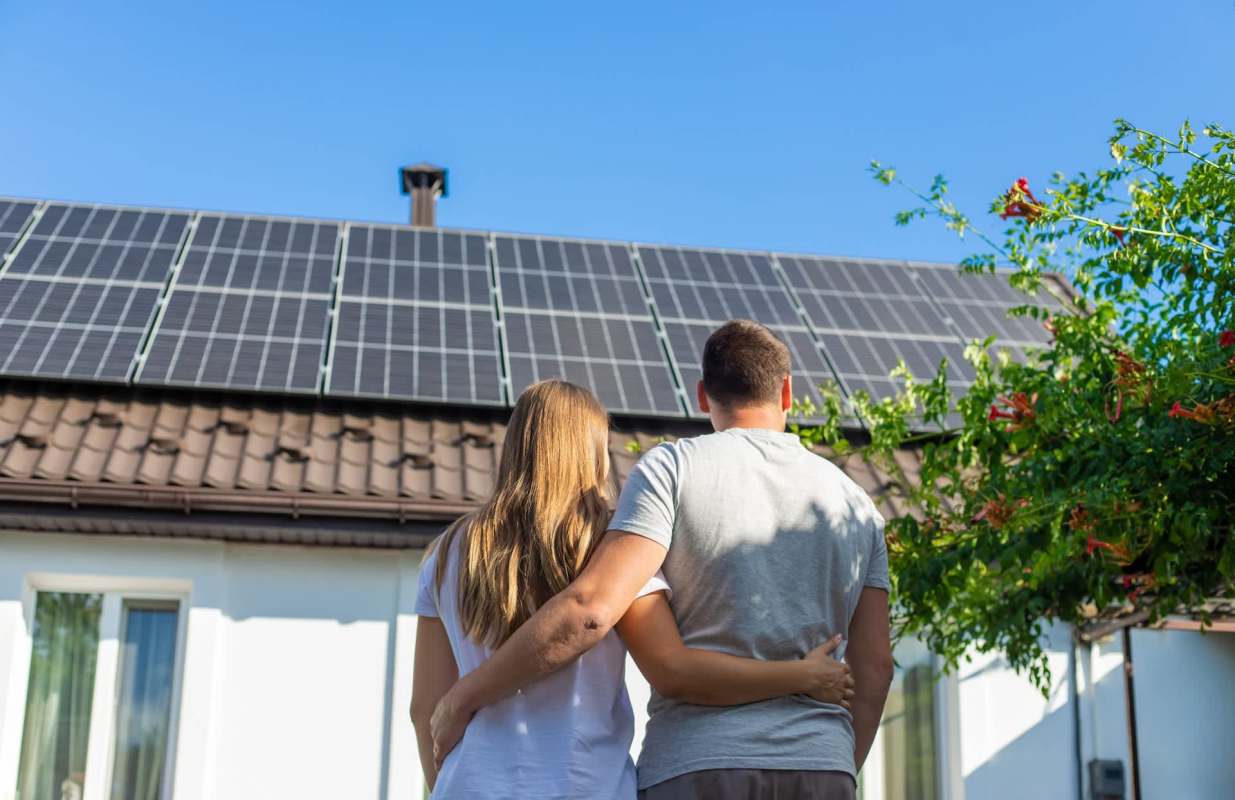
An enthusiastic homeowner revealed their new rooftop solar array at a U.K. home generated 284 kilowatt-hours in its first week of operation, with output coming from a 19-panel installation.
Over that period, the household did not need any electricity from the grid. The catch was on the paperwork side: the extra power was already being exported, but payments for it had not yet begun.
Here's what to know
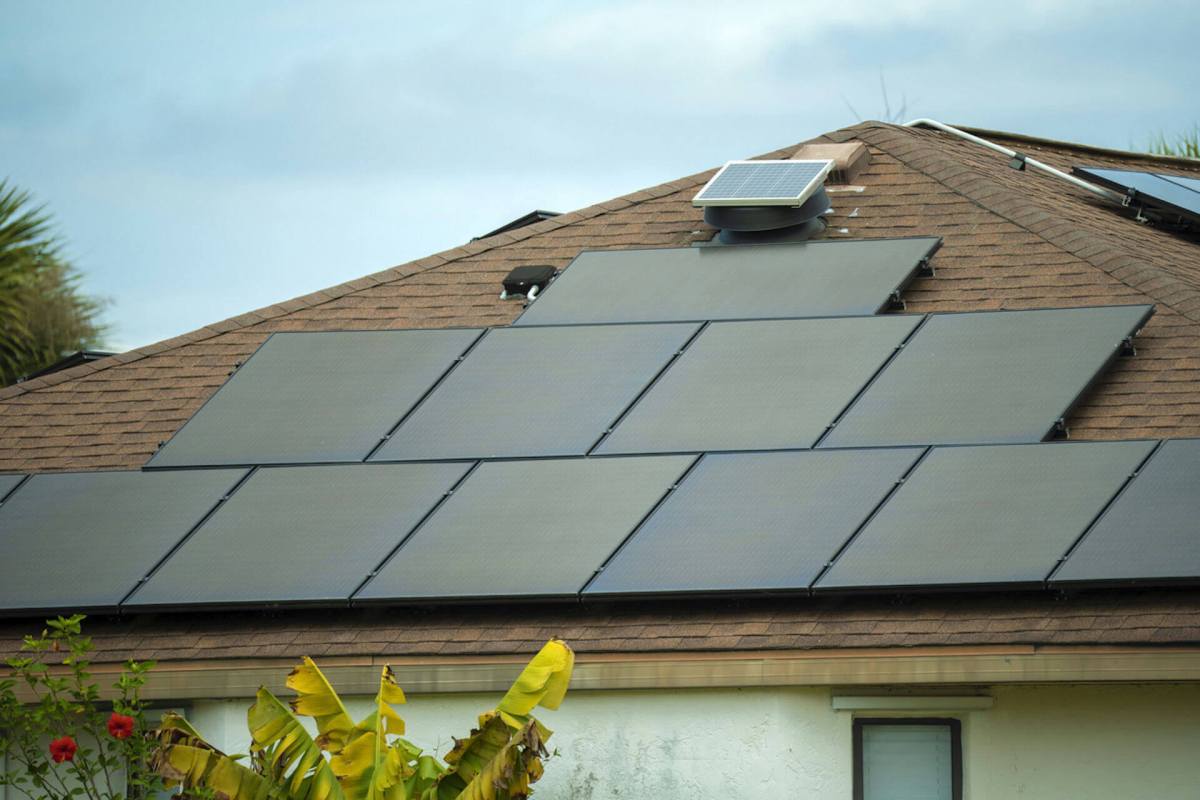
In a post on Reddit, the homeowner said the system uses roof sections facing east, south, and west rather than relying on a single direction. The installation includes 19 panels, each rated at 480 watts.
"Currently over the moon with the numbers, and have not drawn from the grid at all," they added happily.
Crushed by your bills? See instant solar savings from vetted installers in just a few clicks With energy prices through the roof, there's never been a better time to go solar — and EasyHome can help you find the best prices from the best installers in your area. EasyHome takes the guesswork and headaches out of energy upgrades by showing you estimated savings from a network of vetted local partners. To get started, just enter your ZIP and share a few details about your home — seeing your estimate is really that easy. |

Spreading panels across multiple roof orientations can help spread generation throughout the day.
One commenter cheered, "Congratulations! Having a split system like that across east, south and west is a great design."
Before the homeowner can enroll in a Smart Export Guarantee tariff, they need the relevant MCS certification. That delay was the issue behind their comment that they were "sadly sending a lot out to the grid, waiting for the MCS cert to setup the SEG."
For households hoping to unlock similar savings, going solar is one of the best ways to cut home energy costs. It can help to explore EnergySage to get free solar installation estimates and compare quotes.
More background
A newly installed solar system can start delivering real savings right away, while payments for exported power may take longer if the paperwork is not yet complete. A household may already be running on its own solar electricity while still missing out on income from surplus energy sent back to the grid.
Commenters also pointed out that not every supplier handles backdating the same way.
"You will get your money back dated from when the installer sent in the paperwork so I wouldn't worry about losing out on anything," one said.
"Also backdating is with someone like EDF, Octopus refuse to backdate," another countered.
More From EnergySage
💡Go deep on the latest news and trends shaping the residential solar landscape


What can be done?
The checklist from the comments was straightforward. Ask installers when certification paperwork will be submitted, confirm how export payments are activated, and check whether a utility backdates compensation.
Keeping close track of meter readings and app data can also help if there is any delay. That can also double as a fun exercise.
A commenter shared, "2 years in. Still look at my apps monitoring solar. Hourly."
If you're getting FOMO from these solar savings, EnergySage's free services can also make comparison shopping much easier. With EnergySage's help, the average person can save up to $10,000 on solar purchases and installations.
EnergySage's solar map shows the average cost of a home solar panel system on a state-by-state level, as well as details on solar panel incentives for each state, and together these resources can help readers get the best price for rooftop solar panels and access available incentives.
Adding battery storage to a solar setup is one of the best ways to protect your home during outages, save money on energy, and go off grid. Batteries can also help homeowners shift solar power into the evening when electricity is often more valuable.
Readers can explore EnergySage for information about home battery storage options, including competitive installation estimates.
Where can I learn more?
That strong first week shows how quickly rooftop solar can cut grid use, but it also raises practical questions about system design, upfront costs, and access to clean power. The articles here explore those same issues, from a U.K. solar program to the factors that shape what homeowners pay and how their panels perform.
• In North Lincolnshire, a free solar scheme hit a milestone that could cut local bills.
• At EnergySage, installation costs shift with panel choice, labor, and local incentives.
• On a typical roof, panels turn sunlight into electricity that can displace grid demand.
• In solar labs, even cheaper solar electricity could follow advances in silicon cell technology.
They add useful context for homeowners watching early solar production and trying to gauge the long-term payoff of adding panels. They also show how one household's savings connect to bigger shifts across the solar market.

Get TCD's free newsletters for easy tips, smart advice, and a chance to earn $5,000 toward home upgrades. To see more stories like this one, change your Google preferences here.