


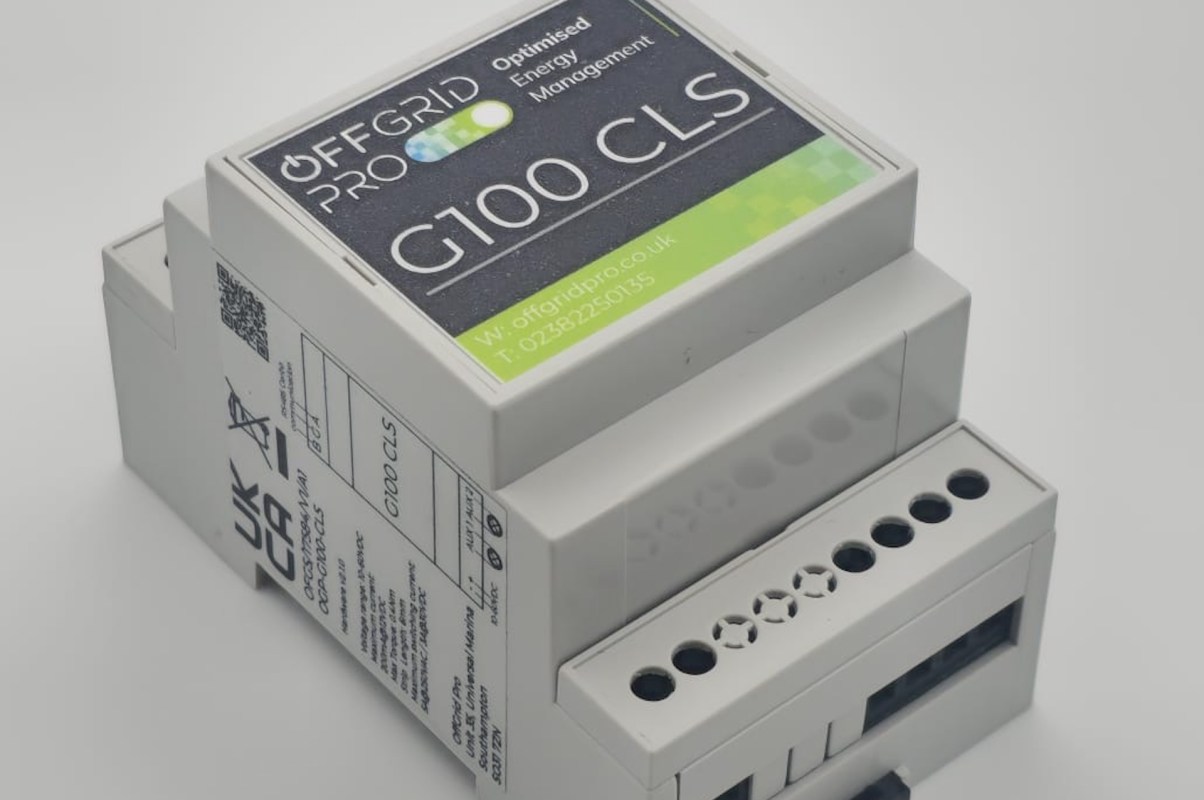
For households trying to combine solar panels with batteries, an EV charger, and a heat pump, the biggest challenge is not always the technology itself.
Sometimes it's simply finding an installer willing to take on a nonstandard setup — a frustration one homeowner in rural Somerset described after reaching out to more than 20 companies and still failing to secure a workable quote for a large split-phase solar-and-battery system.
Here's what to know
The homeowner wants a substantial installation: a 15-kilowatt-peak solar array and a 40-kilowatt-hour battery system.
In a Reddit post, the original poster wrote, "I live in rural Somerset and have contacted about 20+ installers to fit a Victron system, all of whom have either ignored or rejected my request for a quote."
Crushed by your bills? See instant solar savings from vetted installers in just a few clicks With energy prices through the roof, there's never been a better time to go solar — and EasyHome can help you find the best prices from the best installers in your area. EasyHome takes the guesswork and headaches out of energy upgrades by showing you estimated savings from a network of vetted local partners. To get started, just enter your ZIP and share a few details about your home — seeing your estimate is really that easy. |

A big part of the challenge is the home's unusual electrical service. The poster said the property runs on two incoming 60-amp lines in a 230-0-230 split-phase configuration, which narrows the list of compatible systems. Of those, Victron is the option they prefer.
The homeowner said the house's EV and heat pump mean a single 60-amp supply is not enough for their needs. They also said NGED would only upgrade the property to three-phase if they paid about £60,000 (about $81,096 USD) to connect to the nearest point.
Going solar is one of the best ways to save money on home energy, especially for households with large electric loads. If you're starting your search, EnergySage can help you get free solar installation estimates and compare quotes.
The replies suggested the issue was not unique.
One wrote, "I agree, getting victron installers is hard, and getting anything installed that doesn't fit their usual 'pattern' is doubly hard…"
More background
The discussion underscored how homes that do not fit standard installer templates can be harder to place, even when the job itself is large. The original poster said they were prepared to pay more because the work would be more complex.
A partial DIY approach did not seem straightforward either. The homeowner said "MCS certification requires the system to be commissioned," which made that path "a non-starter."
A commenter added that if Victron inverters are not widely certified through MCS, the list of installers willing to take on the work could shrink further.
More From EnergySage
💡Go deep on the latest news and trends shaping the residential solar landscape


That kind of bottleneck can delay the benefits of lower electricity bills, better use of home batteries, and greater resilience during power disruptions. In rural areas, grid upgrades may be unavailable or prohibitively expensive.
What can be done?
In the thread, commenters offered a range of possible leads, pointing the poster toward specialist suppliers, local installers, and other homeowners who had already worked through similar split-phase setups.
For readers with more conventional homes, EnergySage offers free tools and services that can also help shoppers understand pricing.
Adding battery storage to a solar setup is one of the best ways to protect your home during outages, save money on energy, and go off-grid. Readers interested in pairing panels with backup power can explore EnergySage for information about home battery storage options.
Where can I learn more?
What happened in Somerset points to a wider problem. For many homeowners, the hard part is figuring out which installers are credible, how quotes really compare, and when a bargain — or a sales pitch — should raise red flags.
• Homeowners using EnergySage found solar costs hinge on equipment, labor, and local rules.
• In Australia, residents raised the alarm over fake "free" solar ads targeting homeowners online.
Anyone running into the same kind of roadblock on a more complicated project may find that context useful. It's a good reminder to slow down, compare quotes carefully, and make sure the installer and the system are a real fit before moving ahead.

Get TCD's free newsletters for easy tips, smart advice, and a chance to earn $5,000 toward home upgrades. To see more stories like this one, change your Google preferences here.






