


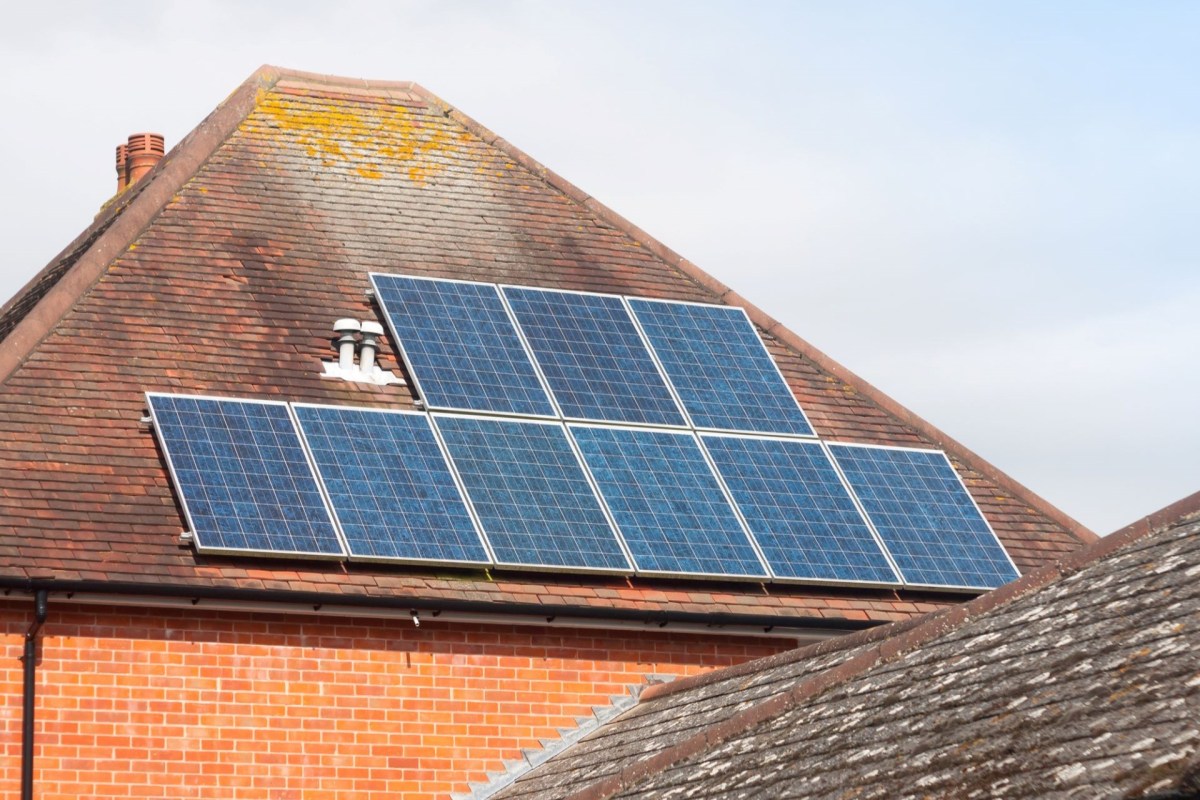
A homeowner with a brand-new solar-panel system turned to the internet for advice after their actual production fell far below forecasts.
Day after day, the app's forecast was coming in 30% to 40% above the system's actual production, leaving the homeowner wondering whether the shortfall was nothing to worry about or a sign of a real issue.
Here's what to know
In a Reddit thread, the original poster explained that their week-old solar system had consistently been generating only about a third of the forecasted electricity production.
"And this is every day since day one," the original poster wrote, adding that they had been monitoring the forecasts and actual production using the Netzero app.
As one might expect, Redditors flooded the comments with their takes. While some users cautioned that something could be off and others described the situation as normal, the general consensus was that the OP should keep monitoring to see whether the shortfall continued over the long term.
On the side of OP having nothing to worry about, one Redditor wrote, "It happens - a forecast is just a forecast after all."
Another agreed, saying their own estimates had been thrown off by changing weather and describing solar output as "unpredictable" at times.
Other commenters focused on the homeowner's description of the panels as being spread across three different roofs, with the front and rear roof sections appearing to share one string, while the panels on the garage were on a second string.
Save $10,000 on solar panels without even sharing your phone number Want to go solar but not sure who to trust? EnergySage has your back with free and transparent quotes from fully vetted providers that can help you save as much as $10k on installation. To get started, just answer a few questions about your home — no phone number required. Within a day or two, EnergySage will email you the best local options for your needs, and their expert advisers can help you compare quotes and pick a winner. |

According to some Redditors, such a setup could cause output issues.
If the front and rear roof sections, which faced different directions, indeed shared a string, "One would drag down the output of the other," one commenter warned.
More background
Homeowners should remember that solar forecasts are only estimates, and many aspects of a system's design can directly affect how much electricity a home actually produces.
If panels facing different directions are wired together improperly, one group can reduce another's performance, especially when sunlight hits each roof section at different times of day.
More From EnergySage
💡Go deep on the latest news and trends shaping the residential solar landscape
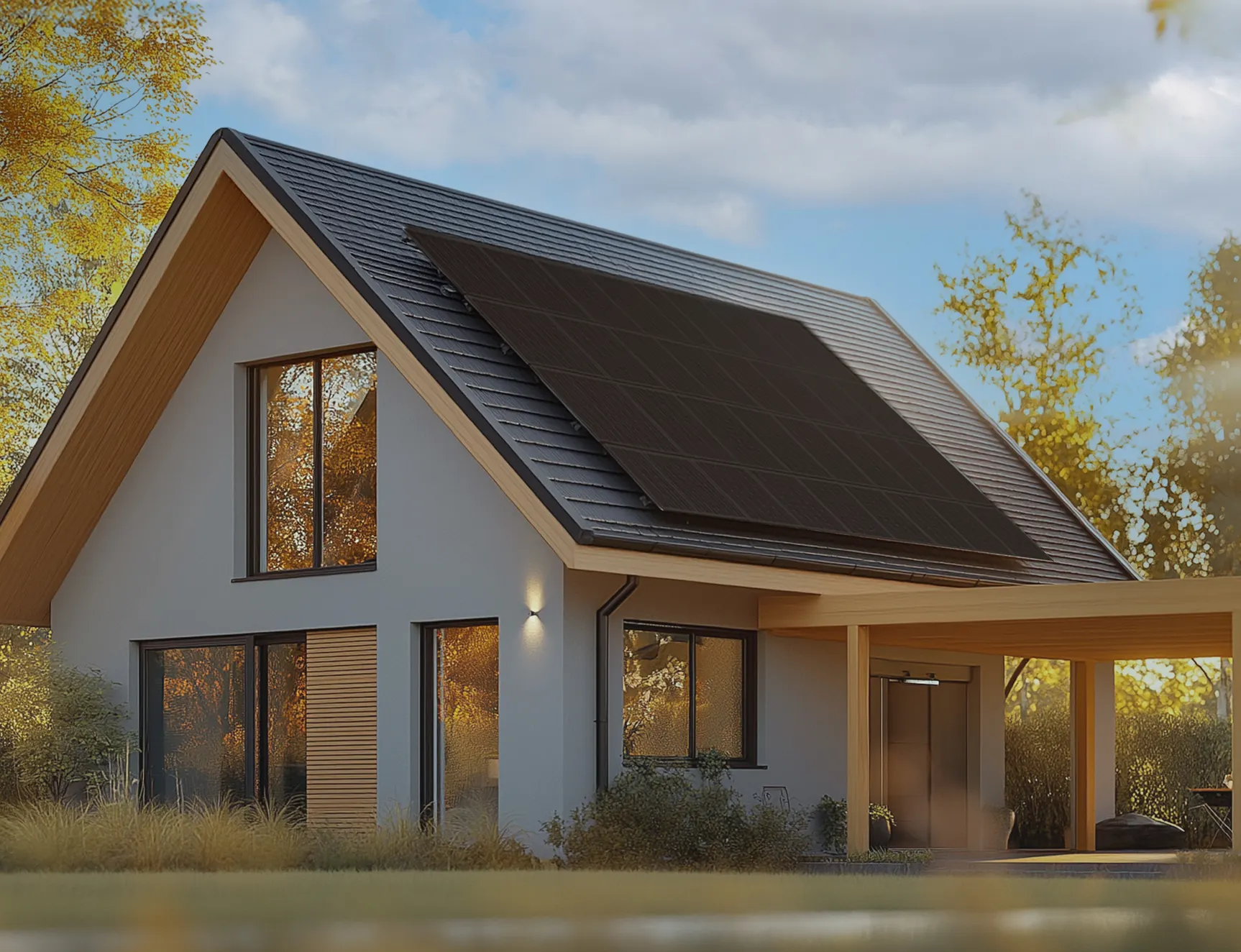
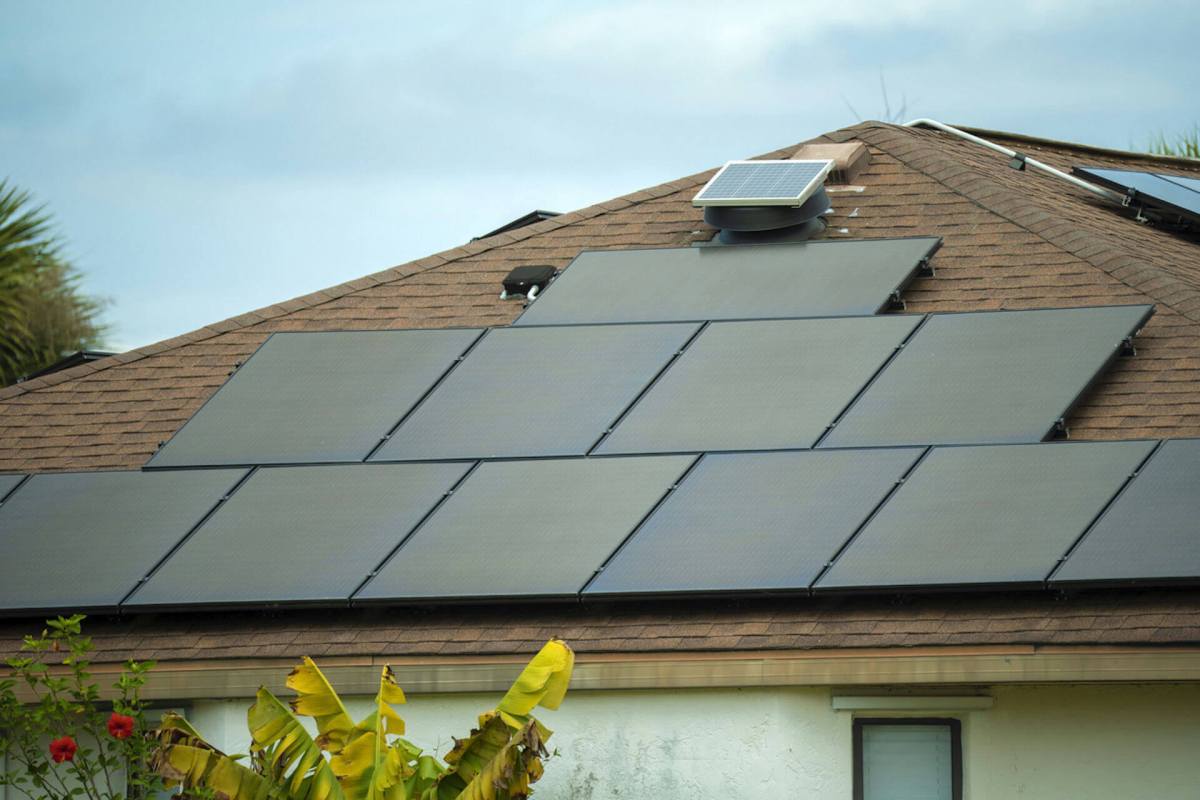

Still, going solar remains one of the best ways to save money on home energy. If you're interested in learning more about home solar, EnergySage can help you get free solar installation estimates and compare quotes before signing a contract.
While forecasts aren't guarantees, system underperformance can significantly reduce solar-related savings and affect household budgets. Reduced production tied to temporary cloud cover is one thing, but a recurring shortfall caused by wiring or configuration issues is another.
What can be done?
For solar users concerned that their system is generating less power than expected, a useful first step is to monitor whether the shortfall keeps happening over time. It is also important to see whether shortfalls occur only on cloudier days or follow a repeatable pattern, especially on bright, sunny days.
Shopping carefully before installation can help homeowners avoid these problems down the line, while also potentially saving on both up-front and long-term costs.
With EnergySage's help, the average person can save up to $10,000 on solar purchases and installations. EnergySage's solar map shows the average cost of a home solar panel system by state, along with details on solar panel incentives for each state. Together, these resources can help homeowners get the best price for rooftop solar panels and access available incentives.
Adding battery storage to a solar setup is one of the best ways to protect your home during outages, save money on energy, and go off-grid. Homeowners can explore EnergySage for information about home battery storage options, including competitive installation estimates.
For now, most Redditors advised the OP not to worry too much about the production shortfalls.
"Unless it's consistently down over weeks or in a pattern (e.g. if it's an east/west array, output drops to nothing on the west array at 13.00) I wouldn't worry too much," one Redditor wrote.
Where can I learn more?
These articles look at how homeowners are saving money with rooftop solar, battery backup, tax incentives, and utility programs.
• In Australia, a homeowner's 20kW solar array made blackouts invisible and earned a $545 credit.
• Across the U.S., homeowners can still cash in on incentives and save thousands on solar.
• In the U.S., homeowners facing shrinking incentives get up to $9,000 off solar costs.
• In Texas, a new power deal offers home solar for free through a virtual plant program.
• Across the U.S., homeowners buy before the deadline as Congress slashes lucrative solar incentives.

Get TCD's free newsletters for easy tips, smart advice, and a chance to earn $5,000 toward home upgrades. To see more stories like this one, change your Google preferences here.






