


One U.K. homeowner weighing a boiler replacement found himself confronting a much bigger question.
The man asked Reddit's r/SolarDIY community,he if you're already considering air conditioning, a heat pump, solar panels, and batteries, what should be prioritized and why?
Here's what to know
The British homeowner laid out his dilemma in a Reddit post, writing that he is "Technically competent, starting solar from scratch… Looking for your ideas. [Should I] go small, go big, DIY?"
The original poster added that he lives in a detached bungalow in the Midlands, works from home four days each week, and knows his 13-year-old Atag boiler will likely need to be replaced within a few years.
Now, what started as a plan to add air conditioning has since expanded into a broader question about whether a cooling-capable heat pump would be a better fit, and whether it made sense to combine that with a larger solar-and-battery project in the £10,000 to £15,000 range ($13,500 - $20,290).
He also described the home features affecting that choice, including several roof sections facing different directions, a flat warm-roof area that might take angled solar panels, and earlier insulation work using 3-inch (75mm) foil-faced PIR insulation.
Going solar is one of the best ways to save money on home energy, but getting the numbers right is key. Homeowners comparing options can explore EnergySage to get free solar installation estimates and compare quotes before deciding whether a DIY or professionally installed system makes more financial sense.
Commenters largely urged the homeowner to start with the fundamentals. One wrote, "You need to come up with daytime peak loads to size your inverter and then nighttime loads to size your battery." The same commenter also warned, "Don't hurt yourself or catch anything on fire."
Save $10,000 on solar panels without even sharing your phone number Want to go solar but not sure who to trust? EnergySage has your back with free and transparent quotes from fully vetted providers that can help you save as much as $10k on installation. To get started, just answer a few questions about your home — no phone number required. Within a day or two, EnergySage will email you the best local options for your needs, and their expert advisers can help you compare quotes and pick a winner. |

Another added, "The Off Grid Garage is a great resource, particularly for battery building. There's an amazing amount of info out there now, if you've got the time and energy to commit to it."
The discussion focused on a few recurring recommendations: tighten up insulation where possible, use as much viable roof space for panels as the property allows, and consider whether an air-to-air heat pump could cover both heating and cooling needs.
Another commenter offered a DIY example of the potential savings. They said they had done "99% DIY," with a setup that included 32 kilowatt-hours of battery storage and 22 solar panels totaling 11 kilowatts. "All for about £12k," the commenter wrote, adding: "My energy bill went from £2500 a year to minus £800 a year."
EnergySage's free services can help people who are still deciding whether a project makes financial sense. With EnergySage's help, the average person can save up to $10,000 on solar purchases and installations. Readers can also use EnergySage's solar map, which shows the average cost of a home solar panel system on a state-by-state level, along with solar panel incentives for each state, helping shoppers get the best price for rooftop solar panels and access available incentives.
More From EnergySage
💡Go deep on the latest news and trends shaping the residential solar landscape

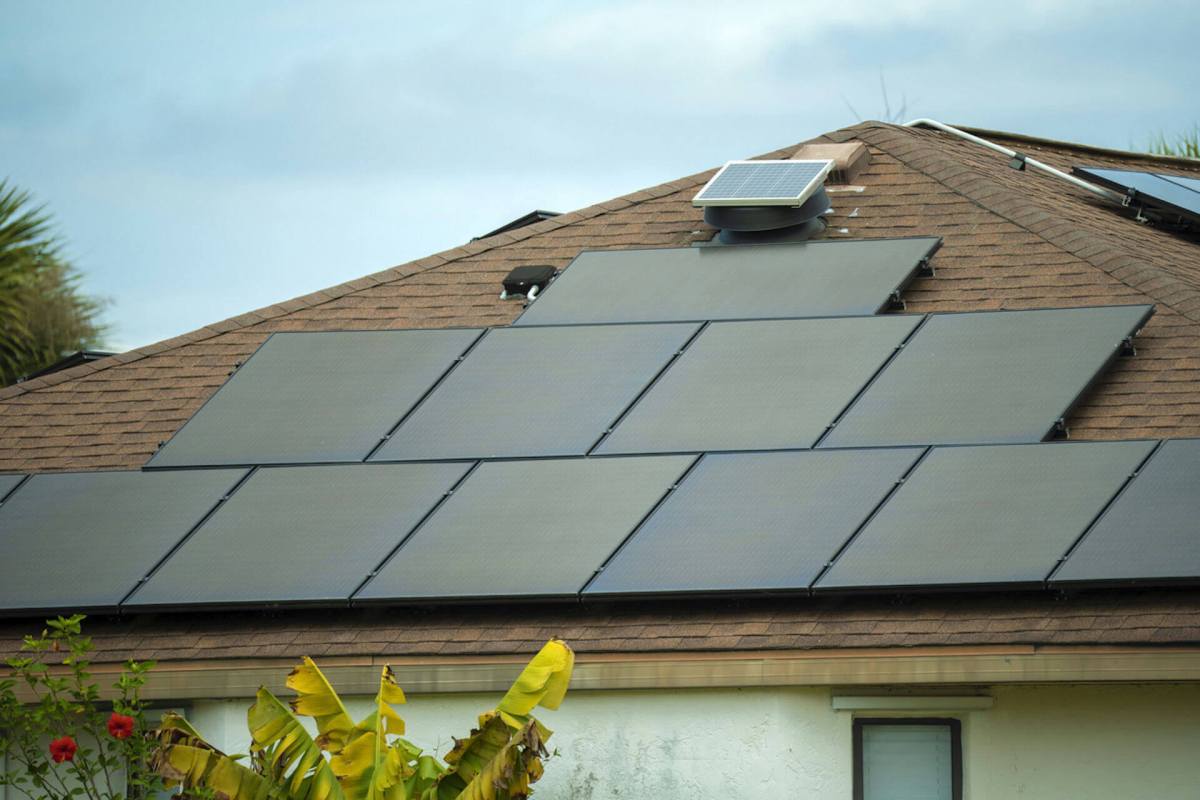

For the greatest energy efficiency and the ability to go off-grid, pair solar panels with battery storage. EnergySage also helps homeowners understand their battery options and find vetted installers.
Where can I learn more?
It helps to look at upgrades that affect more than one piece of the puzzle. The stories below show how solar, smarter controls, and simple efficiency fixes can shape monthly bills, comfort, and the payoff for a larger project.
• For many homeowners, free electricity for decades can also raise property value over time.
• Across U.K. homes, smart thermostats can pay for themselves by trimming heating demand.
• Many households found that common heating shortcuts waste energy instead of lowering bills.

Get TCD's free newsletters for easy tips, smart advice, and a chance to earn $5,000 toward home upgrades. To see more stories like this one, change your Google preferences here.






