


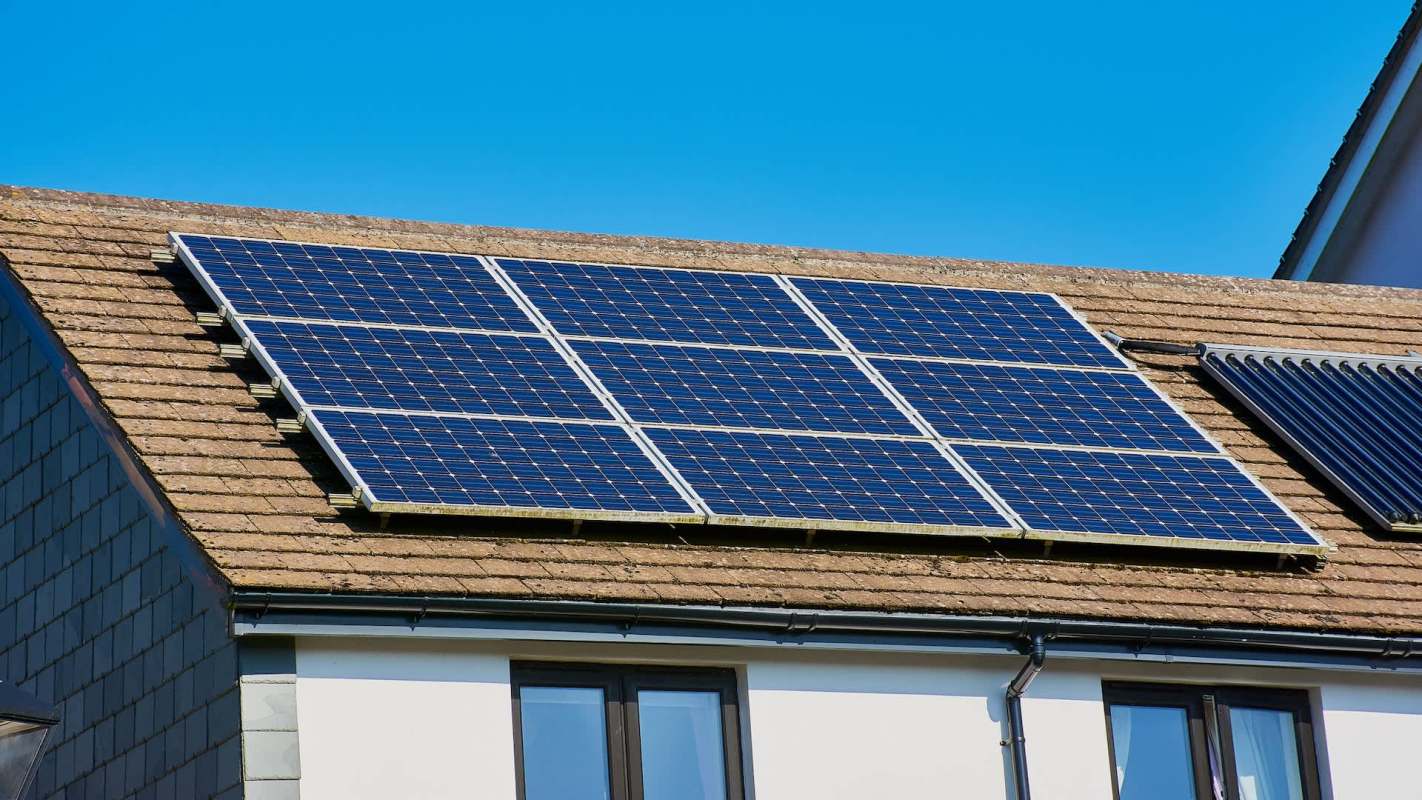
Using solar panels at home can be a great way to reduce reliance on the expensive energy grid and save money in the long term. But what can households do when they produce more power than they need?
Here's what to know
An 8-kilowatt grid-export limit left one U.K. homeowner unsure how much solar energy they could send back to the grid.
They worried about having more power on a sunny day than they could either export or use at home and on Reddit asked whether running more appliances would be necessary to handle the surplus.
"Silly question I'm sure but on days of peak production, what are you doing with the excess if you have a 9 kW battery and your DNA has a limit of 8 kW," they posed. "Surely you wouldn't have enough electrical items to run everything for the rest? Or am I misunderstanding the limits of what you can feed back into the grid?"
One commenter clarified that the key limit-related figure describes how quickly electricity can be sent back to the grid.
"Your battery will be 9 kWh so would take 9 hours to fully charge at 1 kW production," another added. "Or 3 hours at 3kW production. Your limit will be in W. So instantaneous production. Lots of people mix up kW and kWh — it's a bit like mixing up distance and speed."
For homeowners exploring battery storage as another landing spot for extra power, EnergySage offers a resource for researching battery products and comparing competitive installation estimates.
More background
The homeowner had noted their capacity as 7.35 kW in a follow-up message. One commenter confirmed that solar output alone from the homeowner's array would not reach the 8 kW export cap.
Crushed by your bills? See instant solar savings from vetted installers in just a few clicks With energy prices through the roof, there's never been a better time to go solar — and EasyHome can help you find the best prices from the best installers in your area. EasyHome takes the guesswork and headaches out of energy upgrades by showing you estimated savings from a network of vetted local partners. To get started, just enter your ZIP and share a few details about your home — seeing your estimate is really that easy. |

If excess power can't be used, installing a battery could be a good way to make the most of that energy. Conserving more power generated at home can help further avoid grid pricing fluctuations and reduce a property's polluting output, while also making it more resilient in the event of outages.
Battery-shopping decisions involve installation costs as well as system specifications. EnergySage has partnered with electrification company Qmerit to help homeowners find the best available battery-storage pricing — a useful comparison-shopping consideration for anyone weighing storage alongside a solar installation.
What can be done?
Storage can also support greater energy independence, including off-grid use when a system is designed for that purpose.
But for those whose priority is backup power, Pila offers a plug-and-play battery alternative at a substantially lower price point than whole-home backup systems. A Pila battery can keep appliances like refrigerators and freezers running for hours during a blackout, stopping food from spoiling and going to waste.
Where can I learn more?
Other U.K. homeowners are working out how much solar power they can generate, store, and send to the grid:
• A U.K. solar buyer added a third battery and questioned a larger inverter's value.
• A homeowner's roof fit 23 solar panels, but grid rules capped output at 4 kW.
• When considering battery-only storage, one person received warnings about G98/G99 requirements for grid connections.
• A new solar panel owner faced delays in export setup, giving surplus electricity away.
• U.K. solar users have noted that falling electricity export rates are making home batteries increasingly important.

Get TCD's free newsletters for easy tips, smart advice, and a chance to earn $5,000 toward home upgrades. To see more stories like this one, change your Google preferences here.
Cool Picks






