


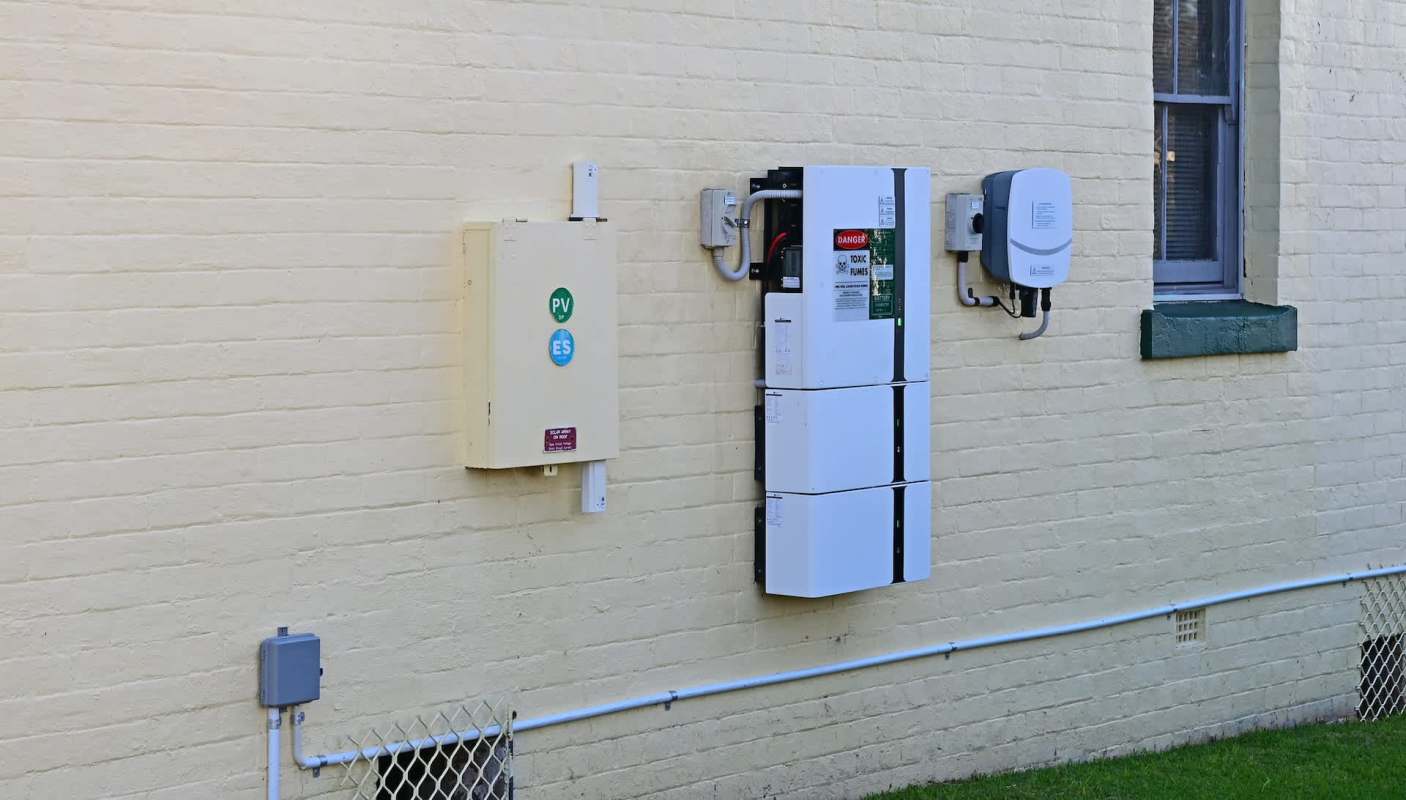
A U.K. homeowner's plan to upgrade a solar battery setup hit an increasingly familiar snag: the original battery model is no longer being made, so any expansion may require mixing hardware from different manufacturers.
Here's what to know
In a Reddit post, the homeowner explained that their system was a 3.9-kWp solar installation using a Growatt SPH3600 hybrid inverter with a Growatt GBLI6532 battery, a model that has since been discontinued. That setup has worked well for "3-4 years" and was paired with an Economy 7 tariff during winter "when the generation is low."
At this point, the original poster was looking to expand their storage capacity. With larger batteries "looking good," they asked whether the existing system could incorporate a second 52v low-voltage LiFePO4 battery from a different manufacturer.
What the comments said
Most replies said the proposed system could work, but the OP might run into different pitfalls. For example, one commenter explained that, when combining two different home batteries, "when one is charging, the other might see it as a household load and start discharging." For that reason, they recommended that "If possible, it's best to extend the batteries on the current system, rather than introduce another inverter."
Adding battery storage is one of the best ways to protect your home during outages, save money on energy, and gain more energy independence. For homeowners weighing different battery options, EnergySage can help compare home battery storage choices and competitive installation estimates.
EnergySage has also teamed up with electrification brand Qmerit to help homeowners get the best price on home battery storage solutions, which can be especially helpful when a model is discontinued.
One system, two batteries
Other commenters pointed to their own systems as evidence that a two-battery setup can work in practice. One commenter said that they had a Victron Multiplus inverter running with a Gobel Power 304Ahr battery added in parallel to an existing Seplos 280Ahr battery. According to that user, "It's all been running fine now for a year and both battery voltages sync and it looks like one large battery."
Other users agreed that running a single system with two batteries was preferable to adding an inverter and running two different systems. One commenter advised that, if the hardware allows it, adding capacity to the existing battery side is the safer path than setting up two systems that could interfere with each other.
Crushed by your bills? See instant solar savings from vetted installers in just a few clicks With energy prices through the roof, there's never been a better time to go solar — and EasyHome can help you find the best prices from the best installers in your area. EasyHome takes the guesswork and headaches out of energy upgrades by showing you estimated savings from a network of vetted local partners. To get started, just enter your ZIP and share a few details about your home — seeing your estimate is really that easy. |

Battery age was another concern in the thread, since a module used for 3-4 years may be harder to balance with a new one. For that reason, the same commenter suggested replacing the existing, degraded battery with "a single big one" and then selling the original module secondhand.
For homeowners exploring battery backups but looking for more budget-friendly alternatives to a whole-home system, Pila offers plug-and-play batteries at a fraction of the cost of a whole-home backup system.
Where can I learn more?
These articles explore similar battery-related questions, including mixed-brand packs, inverter changes, retrofit storage, and the limits of integrated systems.
• One solar battery owner learned matching packs are safest when expanding an existing home setup.
• Another solar owner found both batteries must hit full before mismatched lithium packs cooperate.
• In the U.K., a homeowner asked whether a 10-kW inverter upgrade would justify added batteries.

Get TCD's free newsletters for easy tips, smart advice, and a chance to earn $5,000 toward home upgrades. To see more stories like this one, change your Google preferences here.






