


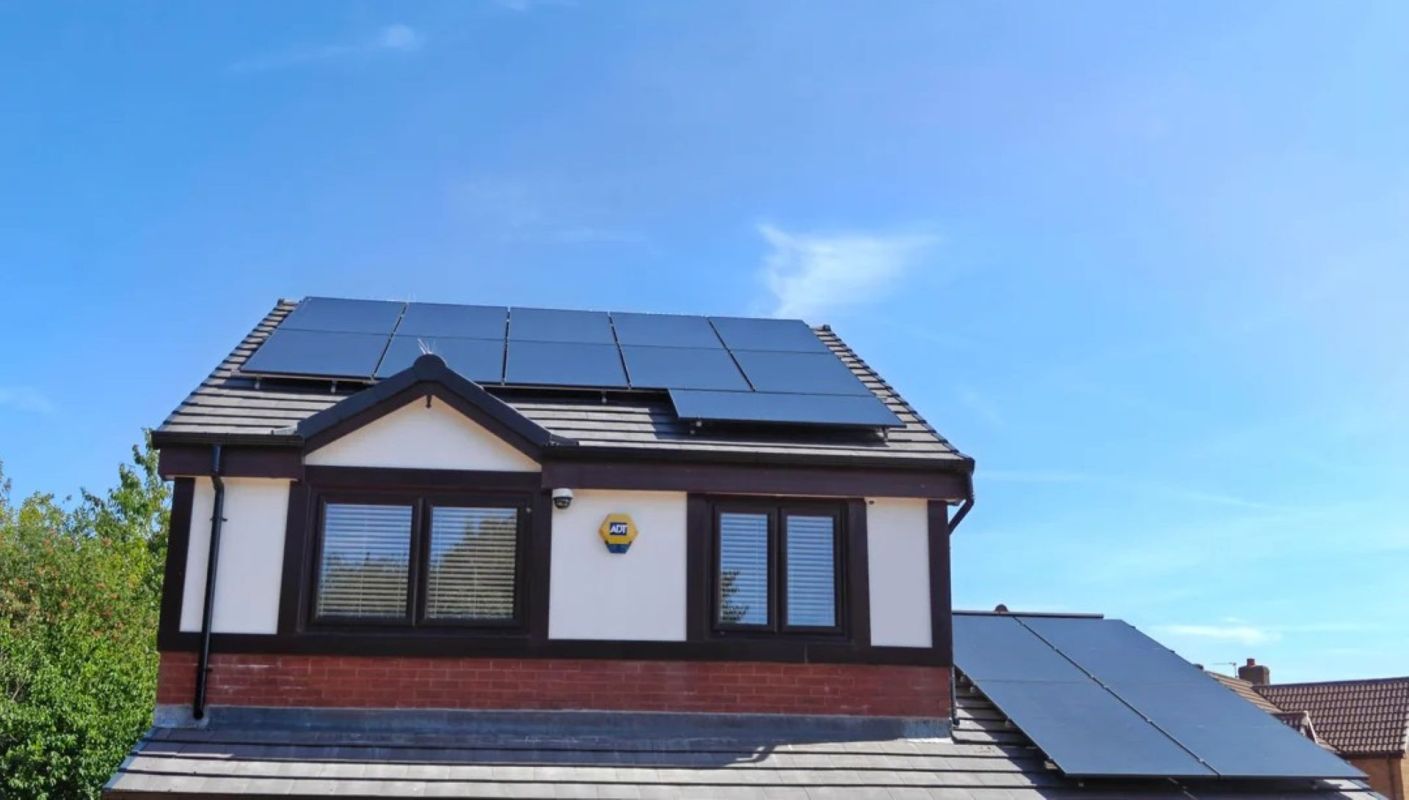
A U.K. homeowner aiming to go fully off-grid says their growing rooftop solar-and-battery system now covers all of their home's grid electricity needs and has pushed gas spending down to only a few pounds a month.
The update offers a look at what larger home energy systems can do once solar generation, battery storage, and export limits begin interacting in everyday use.
Here's what to know
According to the homeowner's update, posted in Reddit's r/OffGrid community, the array includes 24 500-watt panels on the main roof and eight 585-watt panels on the garage roof. With "phase two" finished, the system is "running at 16.5kwp at (the) moment," referring to the array's peak power output.
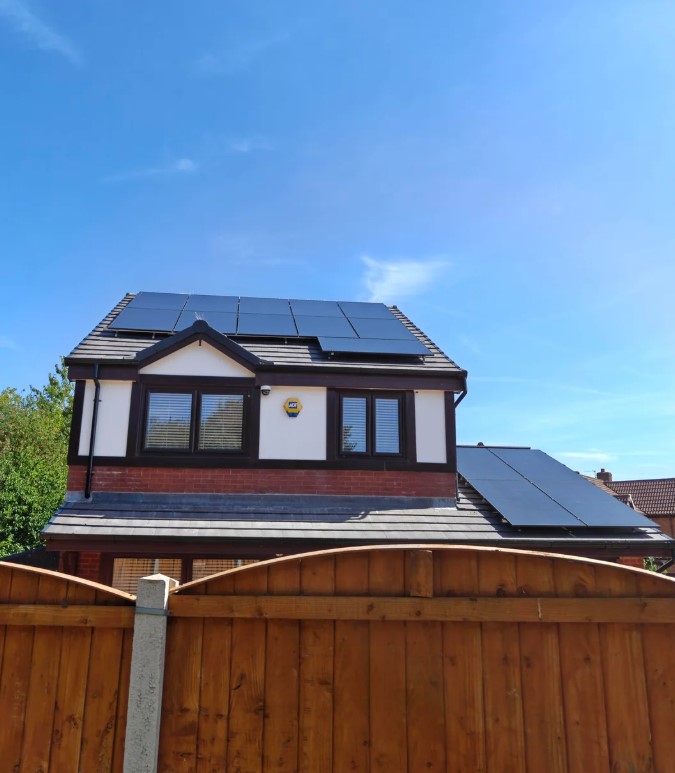
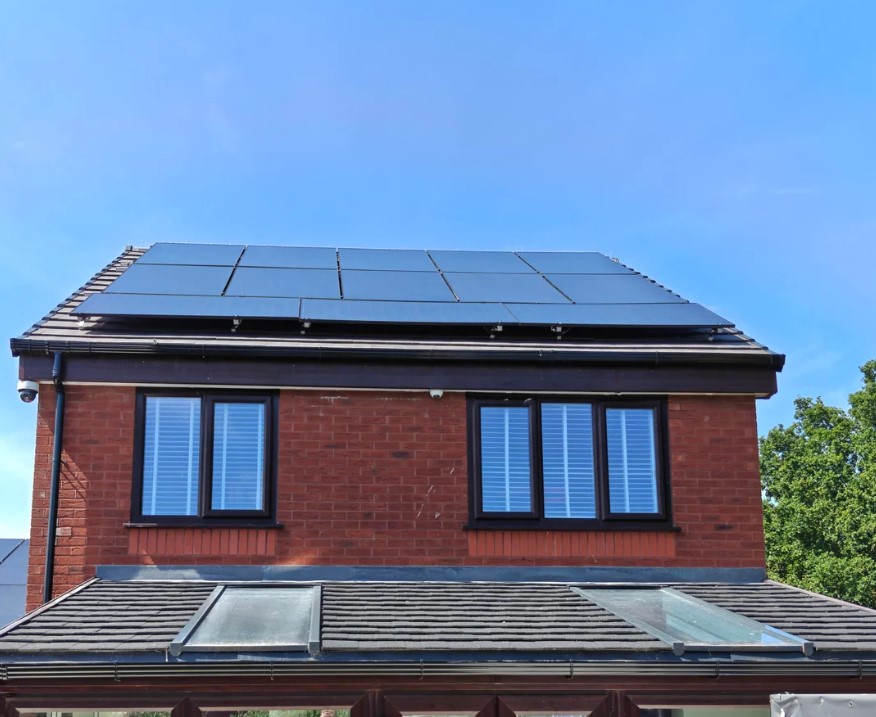
The homeowner described the result, saying, "Not using a penny of mains grid electricity, and gas has dropped to a couple of £ per month."
During sunny midday hours, the post noted, the batteries can fill up before the panels reach their maximum output. At that point, a 4-kilowatt export cap leaves solar production clipped to roughly 5 to 6 kilowatts.
That suggests the home is generating more solar power than it can always use or export during peak sunlight hours, which is exactly where battery storage becomes especially valuable.
More background
Many homeowners trying to save money on energy focus on solar capacity alone, but battery storage is often what turns daytime generation into round-the-clock savings.
Adding battery storage is one of the best ways to protect your home during outages, save on energy costs, and go off-grid. Batteries can store excess daytime solar power for use after sunset, helping households rely less on the grid and get more value from the electricity their panels already generate.
Save $10,000 on solar panels without even sharing your phone number Want to go solar but not sure who to trust? EnergySage has your back with free and transparent quotes from fully vetted providers in your area. To get started, just answer a few questions about your home — no phone number required. Within a day or two, EnergySage will email you the best options for your needs, and their expert advisers can help you compare quotes and pick a winner. Solar panels can save you more than $50k over their 25-year lifespan, and EnergySage can help you save as much as $10k on installation. Which begs the question — isn't that worth an email or two? |

That added storage can also make homes more resilient during blackouts or severe weather, especially when batteries are configured to keep essential appliances and systems running.
Even when a household is not trying to fully disconnect from utility service, a battery can still cut bills, smooth out peak energy use, and help keep power available when the grid is under strain.
Homeowners curious about a similar setup can explore EnergySage and its free tools for information about home battery storage options. Another option is Pila, a company that offers smaller-scale battery backups to help protect individual appliances when the grid goes down.

Get TCD's free newsletters for easy tips, smart advice, and a chance to earn $5,000 toward home upgrades. To see more stories like this one, change your Google preferences here.







