


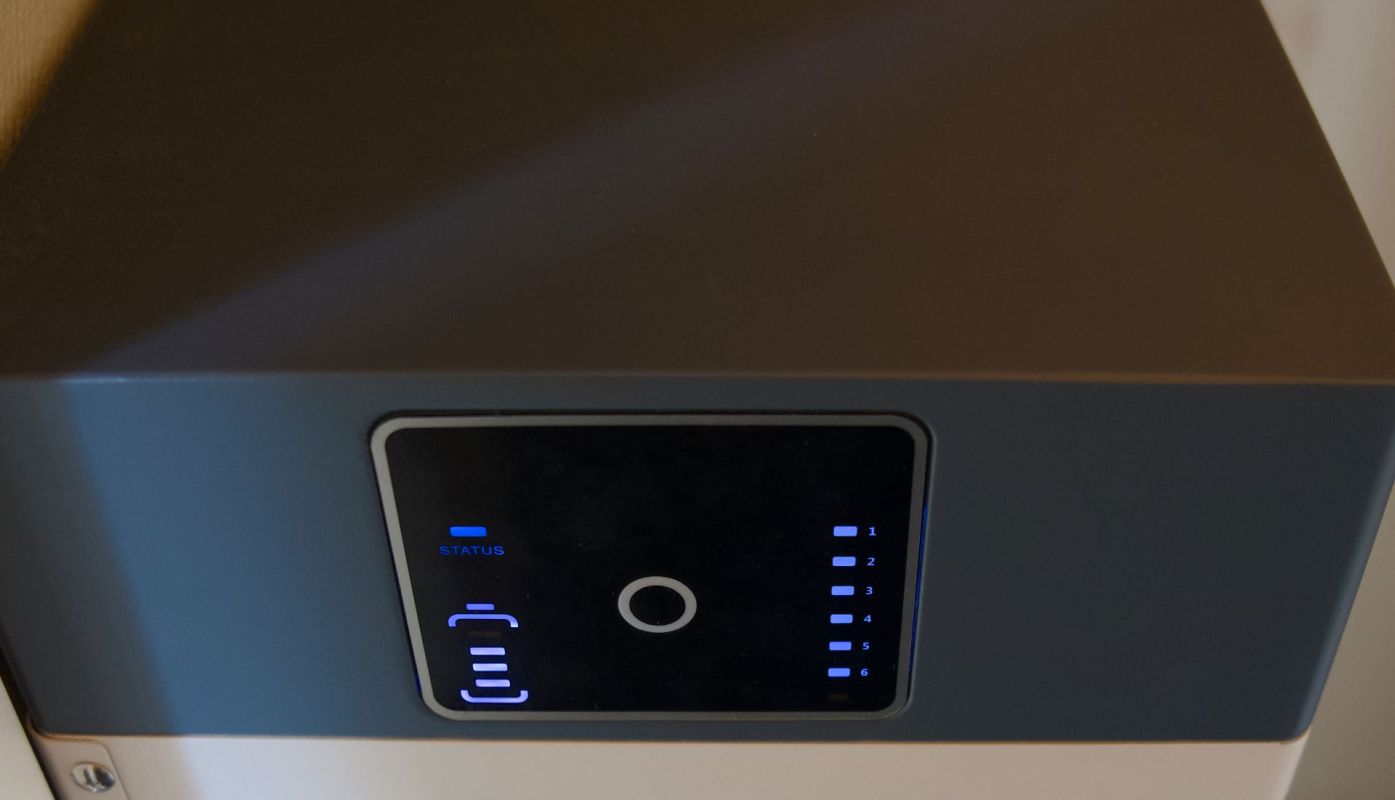
Rising power bills have pushed one homeowner in the United Kingdom to consider adding more plug-in battery capacity, but the answer isn't just about the math.
Even if time-shifting electricity looks attractive on paper, grid-connection rules can determine whether those savings are actually possible.
Here's what to know
On Reddit's r/SolarUK, the homeowner asked whether extra batteries could be charged during cheaper periods and then used later at home to avoid higher-priced electricity imports.
The homeowner wrote, "With the prices going up, and no change in export, would it make sense to charge when it's cheap and use that?"
Under current rules, plug-in batteries can't send power back to the grid.
That means anyone hoping to both reduce costly grid purchases and keep earning from exports has to look closely at how the battery is used. When exports are off the table, the main benefit is using stored low-cost electricity inside the home instead.
On systems registered under G99, adding more plug-in battery capacity can take the installation beyond the approved threshold.
For homeowners considering a bigger upgrade, adding battery storage is one of the best ways to protect your home during outages, save on energy costs, and move closer to going off-grid.
Save $10,000 on solar panels without even sharing your phone number Want to go solar but not sure who to trust? EnergySage has your back with free and transparent quotes from fully vetted providers in your area. To get started, just answer a few questions about your home — no phone number required. Within a day or two, EnergySage will email you the best options for your needs, and their expert advisers can help you compare quotes and pick a winner. Solar panels can save you more than $50k over their 25-year lifespan, and EnergySage can help you save as much as $10k on installation. Which begs the question — isn't that worth an email or two? |

If you're comparing options in the U.S., it's worth exploring EnergySage for information about home battery storage choices and competitive installation estimates. EnergySage has teamed up with the electrification brand Qmerit to guarantee you get the best price on home battery storage solutions. Homeowners looking for smaller-scale backup can also check out Pila, whose plug-and-play batteries cost a fraction of a whole-home backup system.
More background
A mismatch can develop when imported electricity prices rise but export payments stay unchanged.
In that scenario, the savings case for a battery depends on shifting energy over time — charging when rates are lower and using that stored power when buying from the grid would cost more.
That can translate into meaningful household savings. Every kilowatt-hour shifted from a cheap overnight window to a more expensive evening period is one less kilowatt-hour bought at the higher rate.
But those savings may narrow or disappear if the system cannot export at all or if grid-connection caps block additional capacity.
What can be done?
When a battery is limited to serving the home as backup power rather than participating as an export asset, that difference matters a lot in any payback calculation.
Storage can still be a strong upgrade for people focused mainly on resilience and savings rather than export income.
Where can I learn more?
A battery purchase rarely comes down to import rates versus export payments alone.
• In the U.K., neighborhood-scale batteries could cut bills by storing electricity and releasing it during peak hours.
• Homeowners can have home backup batteries without paying upfront as Palmetto expands financing access.
• A smart thermostat remains the tiny upgrade that could lower bills.
Policy, hardware, and financing all shape whether battery storage makes financial sense, and looking at that bigger picture can help homeowners decide.

Get TCD's free newsletters for easy tips, smart advice, and a chance to earn $5,000 toward home upgrades. To see more stories like this one, change your Google preferences here.






