


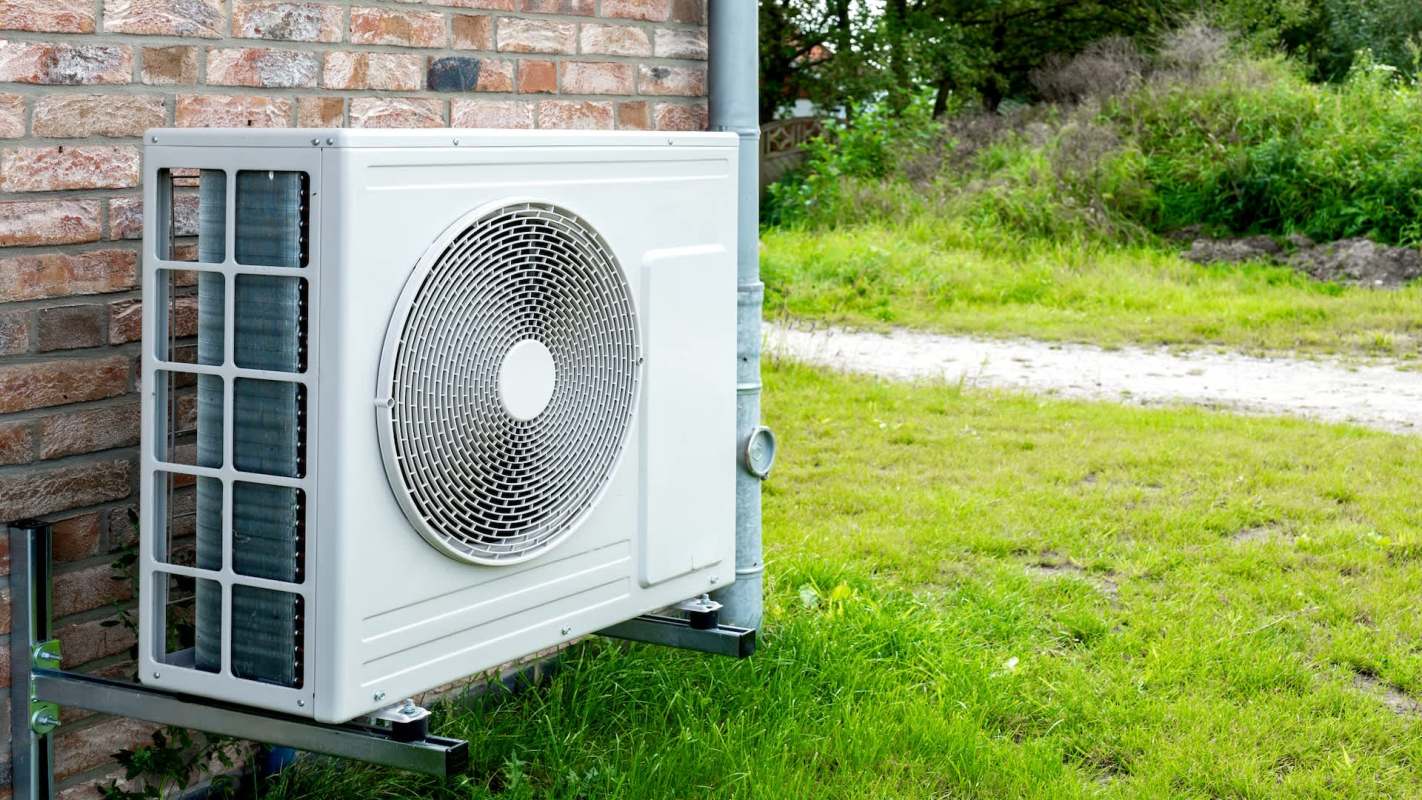
A U.K. homeowner replacing a failed boiler with a heat pump ran into a frustrating problem when an installer's survey said the downstairs radiators should be swapped out — despite the radiators and surrounding flooring having been replaced recently.
Upgrading a home's heating and cooling system can cut utility bills and guard against rising energy prices — but only if the system is designed correctly.
Here's what to know
Writing in a Reddit thread, the homeowner said the survey recommended larger downstairs radiators because, with a 136-degree Fahrenheit flow temperature, those rooms were projected to reach only 45 degrees when it was 27 degrees outside.
The homeowner questioned that conclusion, noting that the current boiler is typically run at about 131 degrees without any downstairs heating issues and adding: "We run our boiler at about 55 degrees (131 Fahrenheit) normally and not had a problem heating the downstairs at all, plus we have a log burner for really cold snaps."
Some commenters said the discrepancy may simply reflect how radiator performance changes with lower water temperatures. As one commenter put it, "Generally, the wattage stated on a website assumes a boiler putting out water at 75 degrees (167 Fahrenheit) or so. If you put lower temperature water through it, it puts out less heat, so the wattage is lower."
Other replies suggested the survey's heat-loss estimate might be on the cautious side if it did not fully reflect factors such as insulation improvements, heat from people or appliances, or the temperature the homeowner actually aims to maintain. One commenter said it would be smart to review those assumptions before ripping up finished work.
For homeowners trying to make sense of competing HVAC recommendations, Palmetto's Comfort Plan network can help them understand their HVAC options and slash energy bills with new, efficient HVACs and heat pumps, while connecting them with vetted installers.
More background
The discussion also highlighted a common retrofit challenge: heat pumps usually perform better at lower water temperatures, but homes with greater heat loss may need larger radiators or other system changes to stay warm under those conditions.
Save $10,000 on solar panels without even sharing your phone number Want to go solar but not sure who to trust? EnergySage has your back with free and transparent quotes from fully vetted providers in your area. To get started, just answer a few questions about your home — no phone number required. Within a day or two, EnergySage will email you the best options for your needs, and their expert advisers can help you compare quotes and pick a winner. Solar panels can save you more than $50k over their 25-year lifespan, and EnergySage can help you save as much as $10k on installation. Which begs the question — isn't that worth an email or two? |

One commenter shared firsthand experience with that kind of upgrade, writing: "We had our rads upgraded to K3 and all pipework upsized. Our flow temperature is set at 46'c (114 Fahrenheit)." That sort of work can improve performance, but it can also bring extra costs and disruption, especially when floors, carpets, or pipework need to be disturbed.
Commenters also warned against treating a single survey as definitive. One commenter advised, "Get more quotes." The original poster added that large national companies often subcontract to local installers, which can make survey quality inconsistent.
What can be done?
Homeowners facing a similar situation may want installers to explain the numbers behind radiator output, room-by-room heat loss, air-change assumptions, and target temperatures. It may also be worth asking whether a taller radiator or an extra panel could solve the issue without forcing a full rip-up of finished floors.
If you're exploring a replacement but aren't ready to spend upfront, Palmetto's Comfort Plan includes $0-down options that can lower your heating and cooling costs by up to 50%. Palmetto Comfort Plans also include 12 years of free maintenance, which can reduce surprise repair costs over time.
Homeowners can also pair solar panels with electric appliances, including efficient HVACs, to push utility bills down even further. EnergySage makes it easy to find the best solar system and installer for your home and budget, saving you up to $10,000 on installations.

Get TCD's free newsletters for easy tips, smart advice, and a chance to earn $5,000 toward home upgrades. To see more stories like this one, change your Google preferences here.






