


For U.K. households considering rooftop solar, a concern raised in a debate wasn't that panels stop producing useful power but that the surrounding math could change.
Export rates can drift toward $0, standing charges may rise, and the main lasting value may be in using the electricity yourself.
Here's what to know
The question surfaced in r/SolarUK, where one user asked whether suppliers might eventually "whack up the daily standing charge" as more homes add solar, weakening the payback from generating power at home.
Across the Reddit thread, commenters kept separating self-consumed power from exported power.
As one person put it, "The energy will remain free for you to use," but they also said, "The value of your solar-generated electricity to export will reduce."
One user on Agile Export said it's already happening and described just how uneven those export payments can be.
TCD Picks » Quince Spotlight
💡These best-sellers from Quince deliver affordable, sustainable luxury for all




"On Agile Export, during August, I managed to get paid just under 18p kWh," they said, which is about 24 cents. They also noted that, "Throughout the summer there were many days where export was close to 1p and even 0p."
In other words, the financial case may depend more on when electricity is used and stored than on how much a system generates.
More background
Several replies framed the issue as one of oversupply. If it's "a good day for rooftop solar it's a good day for commercial solar too," one commenter wrote, so lots of solar generation can reach the grid at once and pull export prices lower.
Some commenters focused on the grid itself. Even when solar households buy fewer units of power, utilities still have to keep the network ready, provide an "always-on and super-reliable connection," and handle fluctuations in both imports and exports.
In that reading, standing charges could rise because the infrastructure has to be there whether a home takes a small amount of electricity or a large amount.
Not everyone in the discussion saw that as a reason to avoid solar. One homeowner said that after 14 years, their system had "paid for itself two or three times over, probably more."
Another said they had gone "fully off-grid 4 years ago," although a different commenter argued that matching the reliability of the grid at home would require "multiples more capacity than a standard domestic installation."
What can be done?
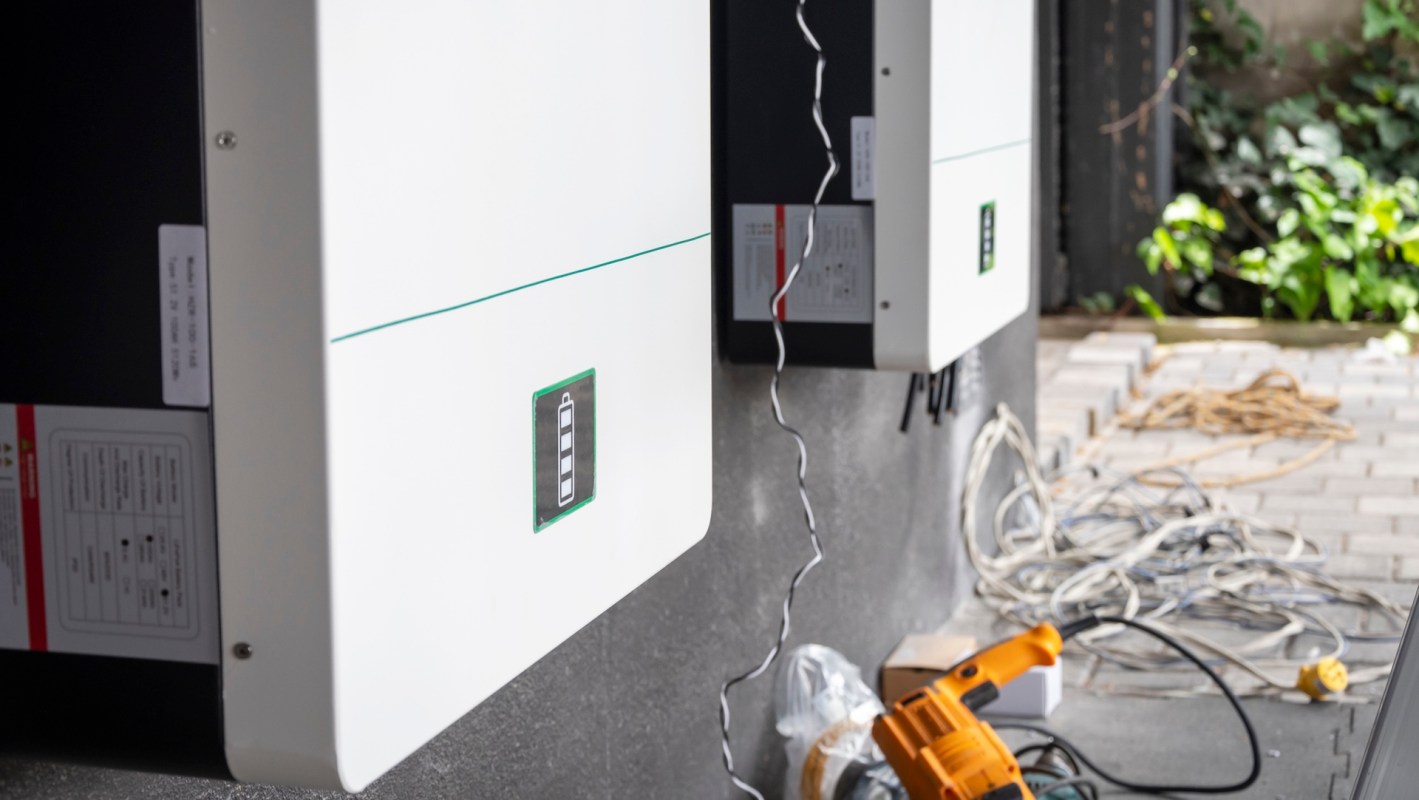
Many of the suggestions centered on increasing self-consumption instead of counting on export payments. Batteries were a recurring part of that advice. After concerns were raised about excess solar production on sunny afternoons, one commenter replied, "This is why batteries are important."
The Agile Export user pointed to batteries that can forecast the following day's solar output and decide how much power to take on overnight "so that the next day's solar generation doesn't go to waste."
That kind of setup could help households keep more of the economic benefit of solar even if export rates keep softening.
One commenter added, "That said, solar and battery economics at the household level will probably be good for many years to come."

Get TCD's free newsletters for easy tips, smart advice, and a chance to earn $5,000 toward home upgrades. To see more stories like this one, change your Google preferences here.






