


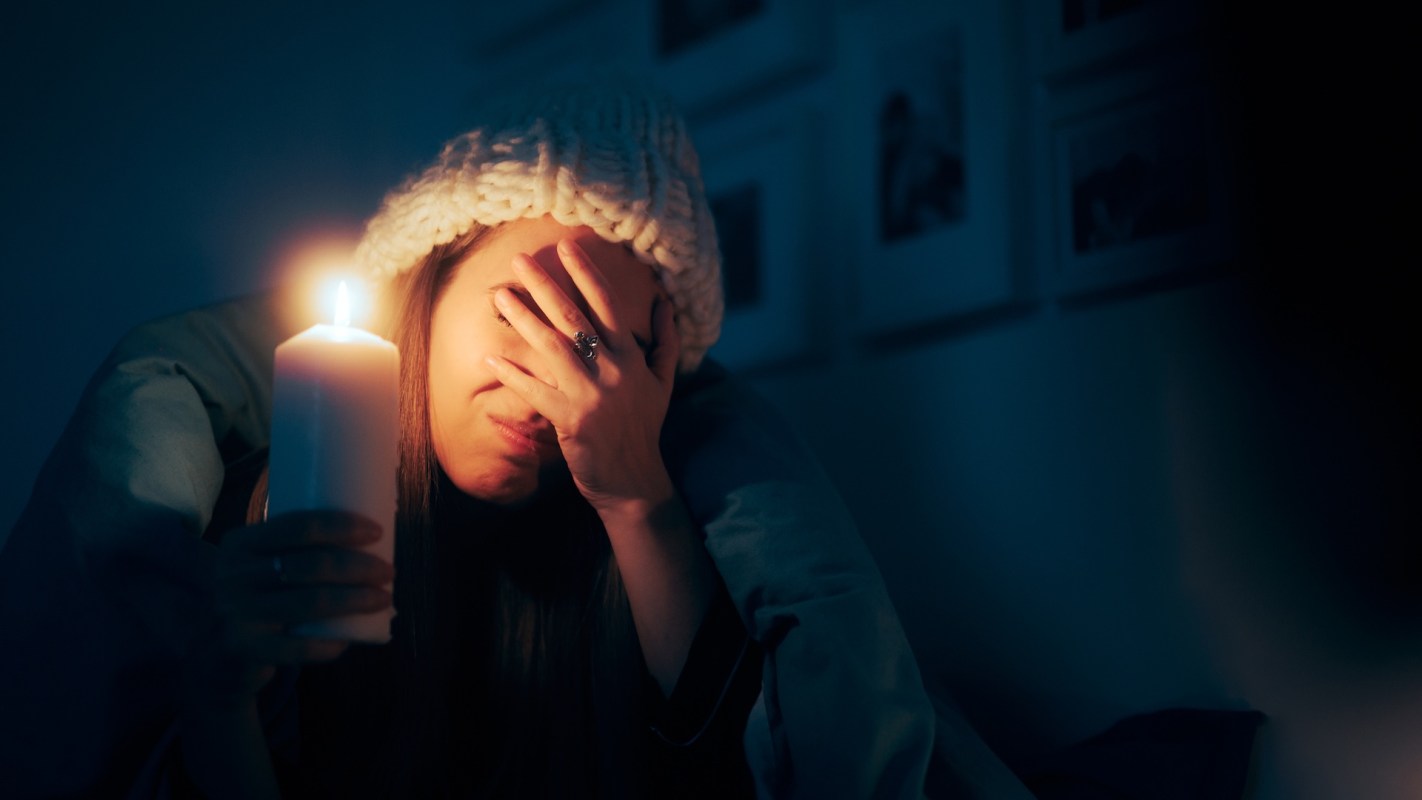
A storm blackout exposed a gap in one U.K. family's home energy setup. Even with 15 rooftop solar panels and a 5-kilowatt-hour battery, the house still lost power.
That result surprised the homeowner because the same system had already helped them get through four or five other outages.
Here's what to know
Posting on the r/UKPreppers subreddit, the homeowner said the trouble came after a dark, stormy day left the solar-and-battery system with too little stored power once the grid went down. They said they kept electricity use fairly light, with no laundry and no 3D printers, but the outage still cut the home off.
The family was not entirely caught out. The poster wrote, "Everything went out, except the laptops (running on batteries), so I could crack the torches out and we were fine." They also said they had enough water and dry cupboard food to manage for weeks if the outage had dragged on.
Much of the discussion centered on a piece of equipment some buyers miss. Commenters frequently mentioned a gateway. This add-on allows solar and battery systems to keep supplying a home safely during a blackout.
The homeowner, though, clarified that the system was already set up to run the house first and send any extra electricity back to the grid. In their reply, they said the bigger issue was that "it's just the total capacity I feel like I'm lacking."
TCD Picks » Quince Spotlight
💡These best-sellers from Quince deliver affordable, sustainable luxury for all




More background
In other outages, the setup had fared better. As the poster put it, "Everyone else's house alarms were going off earlier in the year, but we were fine."
That made this outage more frustrating. Despite fitting 15 panels on the roof, the homeowner said weak winter solar had left them wishing they had opted for more battery storage.
The thread also turned to frozen food. Worried about whether the freezer would hold during a power cut, the poster asked for advice and got this reply: "As long as you don't open the door contents will stay frozen for two or three days," which led them to admit they had expected only "2-3 hours tops!"
What can be done?
Overall, the episode pointed to a winter-specific challenge: a system that feels comfortable in brighter months may need more stored energy when solar output is weaker.
Several commenters said the most obvious fix was more storage. One person who had installed a 10-kilowatt-hour battery wrote, "It should give 24 hours of normal every day use if the grid goes down," and said 5 kWh was a small amount for a system with that many panels.
The poster said they were already weighing that move. They wrote that they might put "some of the savings" into expanding the setup, explaining that the current 5-kWh battery leaves little room to scale and that they may replace it with a 10-kWh unit before eventually building toward 30 kWh.
Other replies focused on backup strategies that go beyond battery capacity alone, including using a small generator. The original poster expressed openness to that, too.
Where can I learn more?
For a closer look, here are more anecdotes about what can go wrong when solar panels and batteries fall short during a blackout.
• In the U.K., one homeowner learned blackout backup costs extra after buying solar and a battery.
• In the U.K., a home battery system stayed 'On Grid' through two outages and never switched to backup.
• Elsewhere, a homeowner said solar stops working in outages despite battery backup as the manufacturer and the installer clashed.
• Before a storm, one homeowner flipped the main breaker, yet the 'off-grid' system still went dark.
• In the U.K., owners say a 5 kWh battery often needs grid top-ups on winter nights.

Get TCD's free newsletters for easy tips, smart advice, and a chance to earn $5,000 toward home upgrades. To see more stories like this one, change your Google preferences here.






