


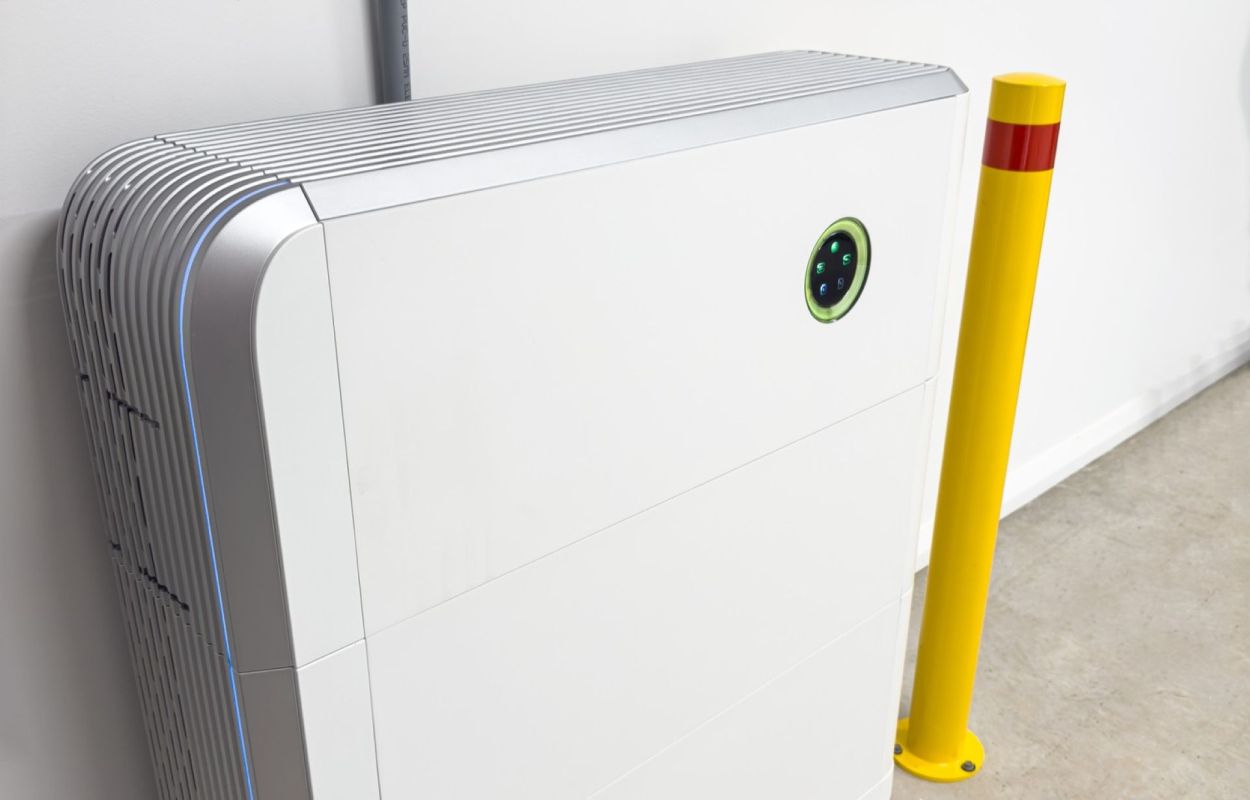
A homeowner in the United Kingdom considering spending an extra £2,000 ($2,670) on home battery storage received an unexpected recommendation from their solar installer: buy less capacity.
In the installer's view, another battery module would probably cost more than the homeowner would save by avoiding occasional peak-rate electricity purchases.
Here's what to know
On Reddit, they wrote that they had been considering 15 kWh or 20 kWh as backup capacity given their daily winter consumption of about 14 kWh. However, their solar installer recommended only going with a 10 kWh capacity.
"His advice is the cost to buy that little bit extra from grid is probably cheaper than adding another battery," the original poster wrote. "The extra cost might not make sense for ROI/savings."
In addition to asking whether Redditors agreed with the solar installer's advice, the OP also wondered how easy it would be to add extra battery capacity down the line.
For homeowners considering making the move to battery backup, EnergySage makes it easy to explore battery products and compare competitive installation estimates. EnergySage has partnered with electrification company Qmerit to help homeowners secure the best available battery-storage pricing.
What commenters said
When it came to the question of capacity, opinions were divided, though some acknowledged that it ultimately came down to what the OP's goals were. For one commenter, 10 kWh was too little capacity for their own goal of powering the entire house during an outage.
While a suitably configured battery can keep household essentials running during outages, when paired with solar panels, it can also offer even greater energy independence, including off-grid use with certain systems.
Crushed by your bills? See instant solar savings from vetted installers in just a few clicks With energy prices through the roof, there's never been a better time to go solar — and EasyHome can help you find the best prices from the best installers in your area. EasyHome takes the guesswork and headaches out of energy upgrades by showing you estimated savings from a network of vetted local partners. To get started, just enter your ZIP and share a few details about your home — seeing your estimate is really that easy. |

For the original poster, however, the priority was not whole-home backup but saving money on their electricity bill. By charging their home battery when rates were cheapest and using that electricity to power their home when rates were high, the OP hoped to limit the impact of soaring energy prices.
Not all household electricity use has to be supplied by storage, another commenter explained. Solar generation consumed immediately and grid electricity used during cheap-rate periods both reduce the amount of energy that needs to pass through the battery.
For households seeking a smaller backup option, Pila offers a plug-and-play alternative at a substantially lower price point than whole-home backup systems.
Other considerations
A 10 kWh starting point seemed more reasonable to the homeowner after a commenter raised the panels' potential contribution. Confirming that solar was part of the installation, the OP noted that even 1 to 2 kWh of winter generation could help offset consumption on heavier-use days.
For charging and discharging power, commenters advised checking the battery stack's own specifications rather than relying on the inverter's rating. That distinction is particularly important when running several appliances. In one commenter's hypothetical example, an 8 kW inverter would still have only 5 kW available from a pair of battery modules delivering 2.5 kW each.
As for the OP's question regarding battery expansion at a later date, one commenter noted that, for their setup, space for new modules had been an issue. Ultimately, that commenter had to have an inverter moved because it blocked the battery additions. The upgrade also required firmware updates, and the commenter recommended checking the manufacturer's commissioning and warranty requirements.
Where can I learn more?
Other U.K. homeowners have also been comparing the cost of battery storage with the savings it could deliver.
• A U.K. homeowner sought retrofit battery storage after an installer said batteries weren't worthwhile.
• A U.K. homeowner exploring battery-only storage to avoid peak electricity rates received a G98/G99 warning.
• After solar was ruled out, a U.K. homeowner considered battery-only storage for savings.
• A U.K. homeowner's 10-kWh battery payback estimate stretched from three years to five.
• A U.K. homeowner's £6,999 battery quote drew scrutiny over £3,000 in installation costs.

Get TCD's free newsletters for easy tips, smart advice, and a chance to earn $5,000 toward home upgrades. To see more stories like this one, change your Google preferences here.
Cool Picks






