


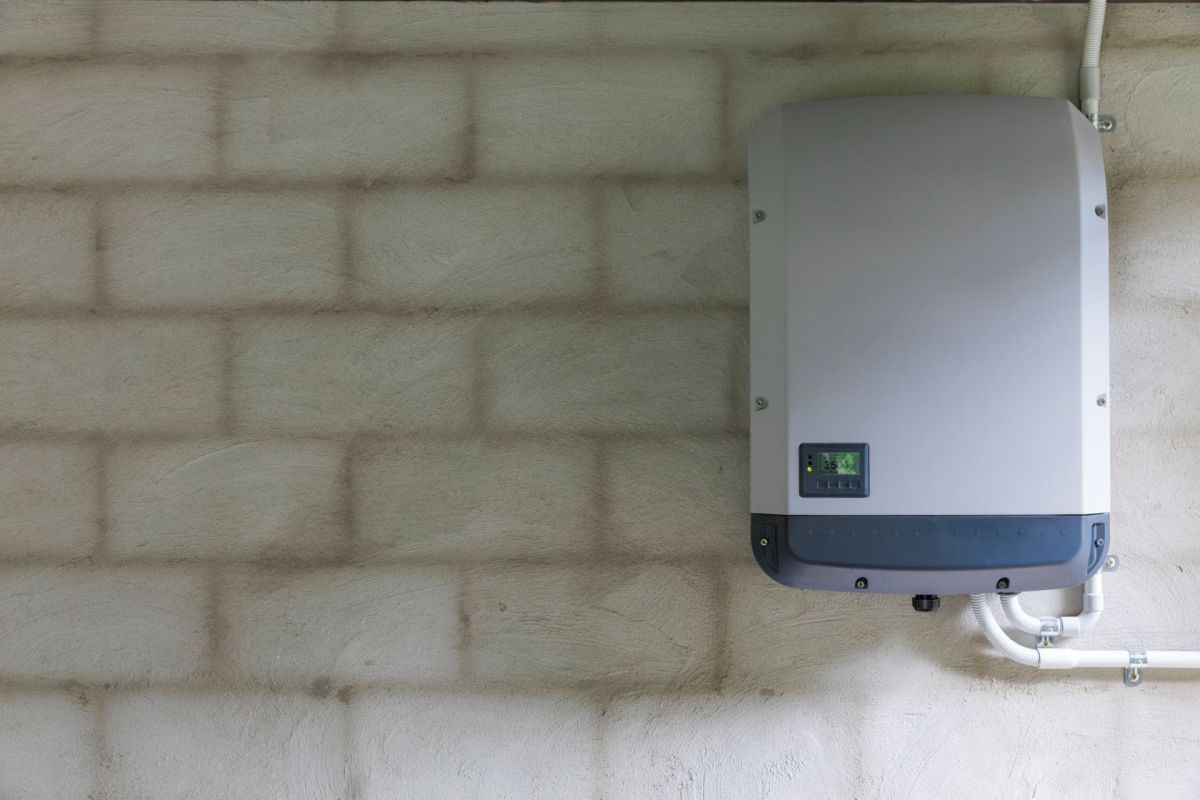
A shopper in the United Kingdom considering a home battery discovered an often-overlooked energy drain.
Here's what to know
Standby power use was a concern for the prospective buyer, who was considering a home battery system pairing 18 kilowatt-hours of storage with a 10-kilowatt inverter.
They noted, however, that the battery's idle draw was 1-2.5% of the unit's rating.
"That means throughout the day my inverter would be drawing 4kwh of battery in idle!" they said. "12kw is 4.8kwh!"
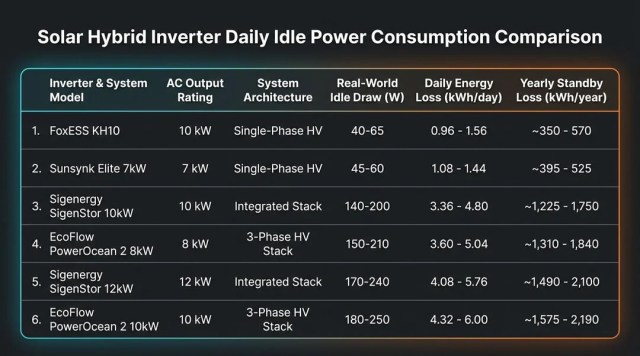
Several commenters questioned the comparison figures in the post while sharing experiences with their own equipment.
A home battery setup with a 10-kilowatt inverter and three BAT10 batteries would use around 2.4 kilowatt-hours over a full day while idle, based on one conversation. The system had a draw of 100 to 125 watts with power-saving mode disabled.
For homeowners weighing those factors, EnergySage offers a resource for exploring battery products and comparing competitive installation estimates.
EnergySage partners with electrification company Qmerit to help homeowners secure the best available battery storage pricing.
Crushed by your bills? See instant solar savings from vetted installers in just a few clicks With energy prices through the roof, there's never been a better time to go solar — and EasyHome can help you find the best prices from the best installers in your area. EasyHome takes the guesswork and headaches out of energy upgrades by showing you estimated savings from a network of vetted local partners. To get started, just enter your ZIP and share a few details about your home — seeing your estimate is really that easy. |

More background
According to another commenter whose system used a KH7 inverter, expanding an ECS4300 battery from four modules to six increased its electricity consumption.
Before the expansion, the owner reported a continuous draw of approximately 100 watts, equivalent to 2.4 kilowatt-hours daily.
"Each module has its own little battery management system which runs constantly," the commenter wrote.
They added that electricity consumption also depends on whether the setup includes a backup gateway and whether it uses single-phase or three-phase equipment.
What can be done?
When configured for backup, battery storage can keep essential home appliances running during outages. That can be crucial for a refrigerator, for example, minimizing the risk of throwing expensive groceries in the trash when the grid goes down. Storing solar electricity may also reduce the amount of power homeowners need to purchase, lowering energy bills.
Matching storage capacity to household needs can help build energy independence. Operating off-grid, however, requires equipment designed for that purpose.
For smaller backup needs, Pila offers a plug-and-play battery alternative at a substantially lower price point than whole-home backup systems.
Where can I learn more?
Buying or expanding a home battery system means weighing costs and technical details beyond standby electricity use.
• A U.K. homeowner faced battery upgrade compatibility problems after their existing model was discontinued.
• Another considered a £2,500 battery to avoid peak-rate costs.
• Battery owners reported 11% minimum charge settings, while one questioned an installer's 18% reserve.
• A U.K. homeowner's 16-kilowatt-hour battery fell short of daily needs, complicating electricity tariff decisions.
• A £1,729 battery price comparison drew warnings about 48-volt versus 240-volt systems.

Get TCD's free newsletters for easy tips, smart advice, and a chance to earn $5,000 toward home upgrades. To see more stories like this one, change your Google preferences here.






