


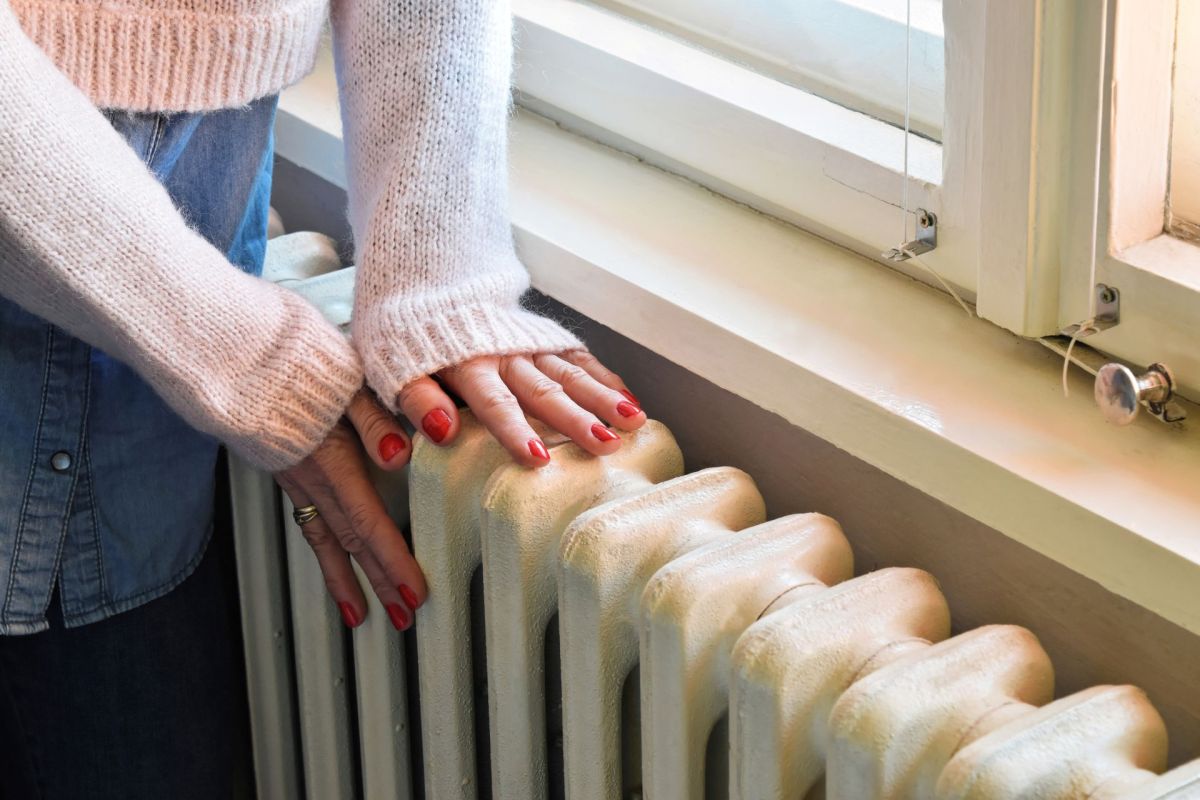
A homeowner in the United Kingdom looking to install a heat pump encountered an unexpected hurdle, as most installers declined to provide a quote because the six-bedroom house loses so much warmth.
Here's what to know
On Reddit, the homeowner said the exposed home's lounge has fallen below 41 degrees Fahrenheit (5 degrees Celsius) in winter and drops to 44.6 degrees Fahrenheit (7 degrees Celsius) daily.
The homeowner asked whether a heat pump could make financial sense while allowing them to continue heating rooms individually.
"I am looking for honest opinions as to whether a heat pump could work in my house," they wrote.
The hillside semi-detached house is in a high-altitude U.K. town and uses around 20,000 kilowatt-hours of gas annually for heating. Most windows are drafty and single-glazed, and only part of the loft has insulation.
Heating schedules vary by room, with smart radiator valves controlling where warmth goes. The lounge gets two hours at 68 degrees Fahrenheit (20 degrees Celsius). The children's bedroom stays at 59 degrees Fahrenheit (15 degrees Celsius) overnight, while the kitchen gets four to five hours at 62.6 degrees Fahrenheit (17 degrees Celsius).
Efficient heating and cooling upgrades can help manage bills and limit exposure to energy-price increases. For households weighing equipment costs, EasyHome's marketplace offers HVAC shoppers unique prices and exclusive deals from trusted partners.
More background
Five bedrooms are rarely heated, and the conservatory receives no heating. The homeowner said insulating the walls would be prohibitively costly and disruptive. Meanwhile, replacing the glazing would also be expensive. Quotes exceeded £30,000 (~$39,068 USD), and one bedroom alone has six windows.
Crushed by your bills? See instant solar savings from vetted installers in just a few clicks With energy prices through the roof, there's never been a better time to go solar — and EasyHome can help you find the best prices from the best installers in your area. EasyHome takes the guesswork and headaches out of energy upgrades by showing you estimated savings from a network of vetted local partners. To get started, just enter your ZIP and share a few details about your home — seeing your estimate is really that easy. |

An electric car also needs charging during the six-hour off-peak window, adding to the demands on the home's eight-kilowatt inverter. The property has 16 kilowatt-hours of battery storage and 6 kilowatts peak of solar panels, though the panels produce little in winter.
Commenters were divided over whether a heat pump would make financial sense.
One commenter in Ireland reported using 6,200 kilowatt-hours of electricity annually to generate roughly 25,000 kilowatt-hours of heat with a 16-kilowatt Viessmann heat pump. They said the system keeps their well-insulated, exposed 4,306-square-foot (400-square-meter) home at around 69.8 degrees Fahrenheit (21 degrees Celsius).
What can be done?
Several commenters pointed to loft insulation and secondary glazing as priorities, while another recommended a heat-loss survey before choosing equipment. Many generally pushed back on the idea that DIY insulation would be too hard or costly.
One commenter used wooden strips to hold glass in place on some windows, and on others, they fitted MagnaGlaze plastic panels attached with magnets.
Another commenter recommended air-to-air heat pumps for frequently used rooms, but the homeowner raised concerns about the cost. They said the lack of grant funding was the main reason a multiple-room installation would be more expensive, and they would still need gas to heat other rooms occasionally.
A commenter gave the homeowner a baseline plan: "Get it insulated. That's good whether you have gas or heat pump. Then you can look at your gas usage on the coldest day for an idea of whether a heat pump will cover your heat loss."
For shoppers comparing options, EasyHome works like Groupon for home energy, negotiating special offers for its large audience to secure unique HVAC deals. It also offers special solar deals.
Pairing solar with efficient electric HVAC can increase savings and, with suitable battery storage and backup-capable equipment, provide heating and cooling during outages.

Get TCD's free newsletters for easy tips, smart advice, and a chance to earn $5,000 toward home upgrades. To see more stories like this one, change your Google preferences here.






