


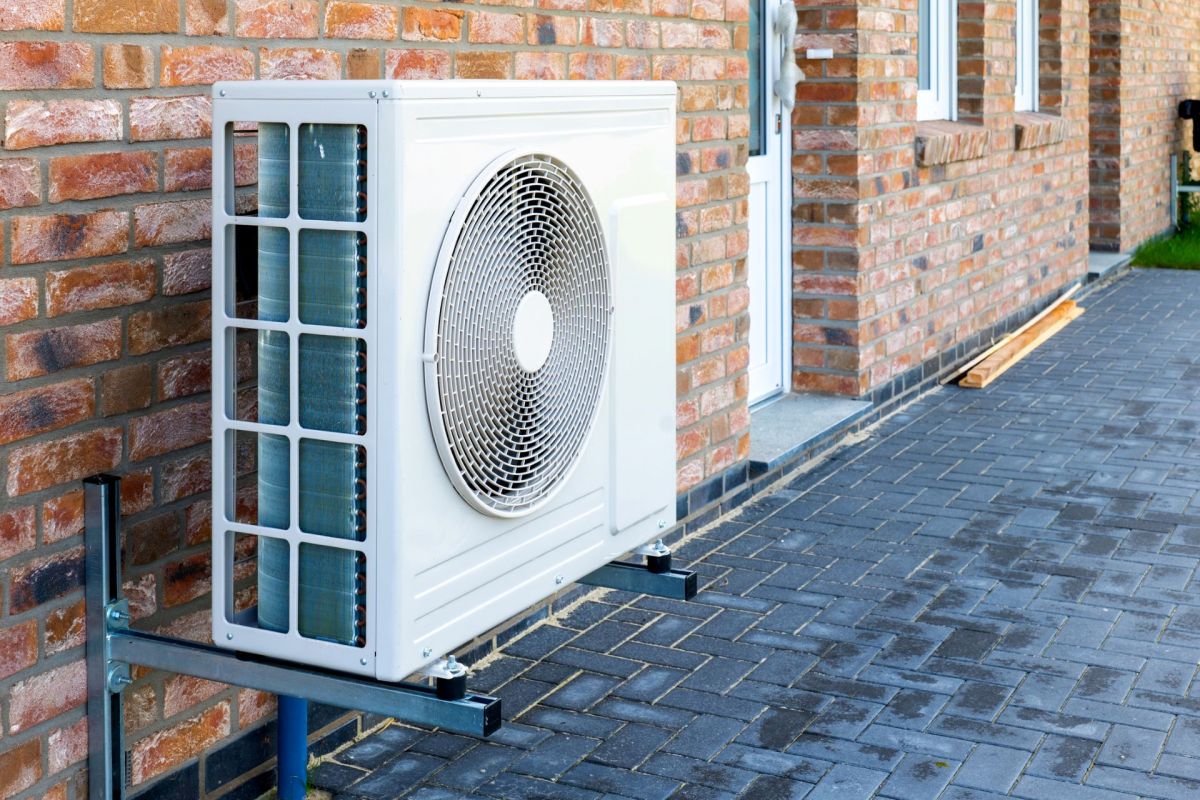
While a heat pump can deliver three to six times the efficiency of a gas boiler, that efficiency does not always translate to lower heating bills. Fortunately, there are moves to make to cash in on the tech's greater efficiency.
Here's what to know
U.K. heat-pump network and content creator Heat Geek (@HeatGeek) explained the calculations behind these costs in an informational YouTube video. In the example, a gas boiler consumes around 10 gas units to supply eight heat units, while a heat pump can provide the same amount using roughly 1.5 to three units of electricity over a season.
In the video's calculation, however, electricity costs 3.6 times as much as gas. Moving existing heat rather than producing it by burning fuel doesn't eliminate that price disadvantage. For a less-efficient installation, the gap can cancel out the savings.
Installation problems can limit efficiency to roughly 200%-300%, compared with 300%-500% for well-designed installations.
For homeowners comparing upgrades, Palmetto helps evaluate efficient HVAC and heat-pump options and find vetted installers through its Comfort Plan network.
More background
Beyond installation quality, Heat Geek pointed to the standard energy-price-cap tariff as another potential obstacle for U.K. households.
A system operating at around 250% efficiency can cost more to run than gas under that tariff. Lower electricity rates available through a smart tariff offer a way to reduce those costs.
One commenter shared their household's experience: "In our first year with a Zero Disrupt heat pump our average effective electricity cost for heating and hot water was just 10.6p/kWh."
Crushed by your bills? See instant solar savings from vetted installers in just a few clicks With energy prices through the roof, there's never been a better time to go solar — and EasyHome can help you find the best prices from the best installers in your area. EasyHome takes the guesswork and headaches out of energy upgrades by showing you estimated savings from a network of vetted local partners. To get started, just enter your ZIP and share a few details about your home — seeing your estimate is really that easy. |

By charging from solar panels or during low-price periods on variable electricity tariffs, batteries give households more control over electricity spending, Heat Geek explained.
Households can receive payments for surplus electricity exported to the grid. Solar generation during summer and the milder months can also help offset winter spending.
"Gas is becoming very expensive again, my heat pump is saving me a fortune," another commenter wrote. "This trend is inevitable as we can source less and less gas in the UK."
What can be done?
Open Energy Monitor's heat-pump performance league table helps homeowners identify installers delivering strong results, according to Heat Geek.
Unnecessary components need not be part of an installation, the creator emphasized. Where appropriate, reusing existing heating equipment can help keep the design simple.
Tariffs and solar can be changed after installation, which is why Heat Geek urged households to prioritize getting the installation right.
"If you only focus on one thing, it's making sure that the system is originally designed and installed properly," the narrator declared. "The other two things could be changed at any time. And this is the exact reason why two homes with the same heat pump can have completely different running costs."
For households weighing upfront expenses, Palmetto's Comfort Plan offers $0-down options and states that heating and cooling costs could fall by up to 50%. Palmetto Comfort Plans also include 12 years of free maintenance, making ongoing equipment care part of the upgrade decision alongside installation and energy costs.
Generating your own electricity can also boost savings. EasyHome's solar comparison-shopping tool helps homeowners compare installation offers so they can find the best deal.
Where can I learn more?
Energy prices and the heating system you choose both shape what you pay to keep your home warm.
• A U.K. homeowner says heat pumps beat gas under the latest price cap.
• In Scotland, a homeowner reconsidered fears of £500 winter bills for a heat pump.
• A U.K. homeowner weighed competing boiler replacement quotes before considering a heat pump.

Get TCD's free newsletters for easy tips, smart advice, and a chance to earn $5,000 toward home upgrades. To see more stories like this one, change your Google preferences here.






