


A daily electricity reading of 17.6 kilowatt-hours left a United Kingdom homeowner concerned about their new heat pump as they prepared for their first winter with it.
When other owners suggested checking its efficiency, a missing reading made it difficult to assess how well the equipment was working.
Here's what to know
The homeowner used a Reddit post to ask for advice on contacting the installer, changing the settings, or waiting for the system to learn.
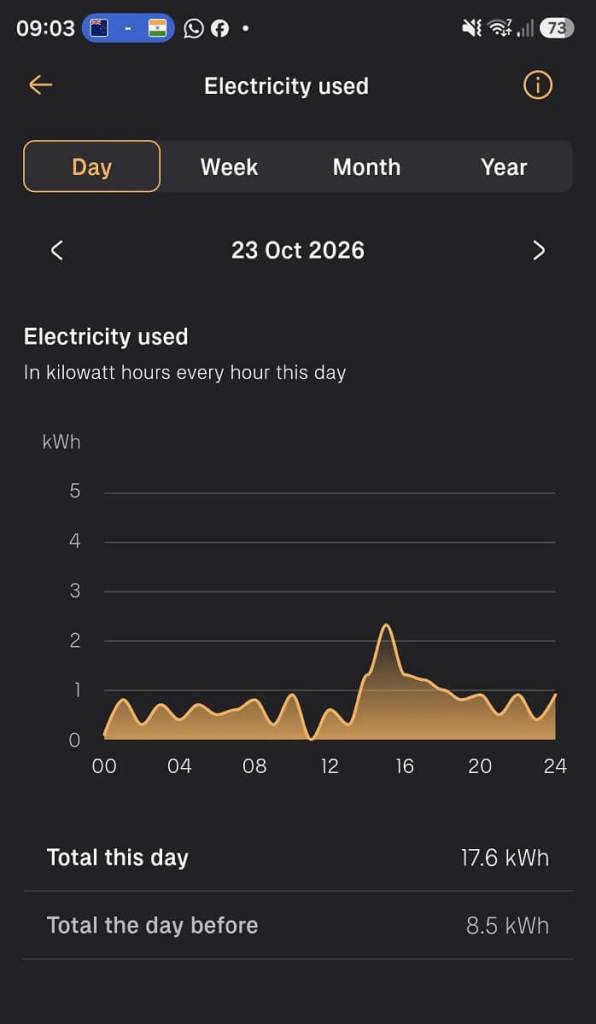
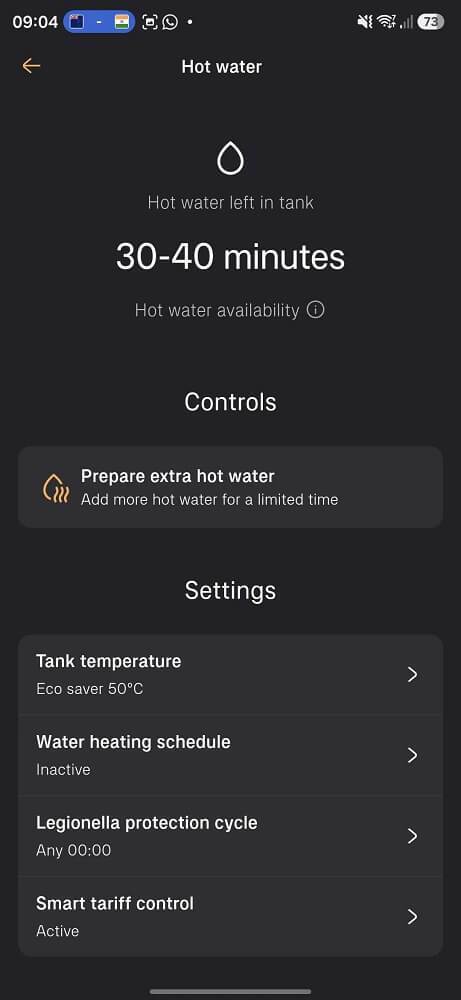
Three adults and an infant occupied the roughly 1,400-square-foot (130-square-meter), four-bedroom house. Its 11 radiators served a target indoor temperature of 68 degrees Fahrenheit (20 degrees Celsius), and only one shower had been used that day.
The concern followed another owner's report of using roughly 7 kWh with Panasonic equipment in a larger home. Commenters suggested checking the coefficient of performance, or COP, which compares the heat a system delivers with the electricity it consumes.
"The COP isn't showing for some reason," the original poster revealed. "Maybe a faulty sensor - will need to get Aira in to have a look. Flow temp is 45°C."
That flow temperature was equivalent to 113°F. The homeowner also reported a separate hot-water COP of 3.9.
For homeowners exploring upgrades, Palmetto helps compare efficient HVAC and heat-pump solutions and connect with vetted installers through its Comfort Plan network. Efficient equipment can help manage energy expenses and exposure to rising prices.
Crushed by your bills? See instant solar savings from vetted installers in just a few clicks With energy prices through the roof, there's never been a better time to go solar — and EasyHome can help you find the best prices from the best installers in your area. EasyHome takes the guesswork and headaches out of energy upgrades by showing you estimated savings from a network of vetted local partners. To get started, just enter your ZIP and share a few details about your home — seeing your estimate is really that easy. |

More background
The homeowner said the app did not show how often the 66-gallon (250-liter) hot-water tank reheated. They also reported an estimated heat loss of about 6.1 kilowatts for the home at an outdoor temperature of 28.8°F (minus 1.8°C).
A commenter heating a 2,691-square-foot (250-square-meter), five-bedroom detached house with a 16-kilowatt unit shared that their daily electricity consumption was similar.
They recommended checking whether the system heated in short bursts or ran steadily. They also suggested reviewing weather compensation, which adjusts heating-water temperature based on outdoor conditions.
Another commenter described a controller that gradually tailored its heating curve to the home. They explained that Aira Intelligence factors in indoor temperatures, weather forecasts, and how the system has operated previously.
The homeowner said their system ran automatically and offered limited customization.
What can be done?
The homeowner's hot water was now set to eco at 122°F (50°C). For heating, they selected "savings" comfort mode, set a target of 68°F (20°C), and enabled smart tariff controls.
They also said they would need the installer to investigate the missing COP reading.
"In essence, let the HP do its thing without focusing too much on the usage (for now) and let it adjust over a period of time to usage patterns in the home," the original poster summarized.
For homeowners considering replacement equipment, Palmetto's Comfort Plan offers $0-down options and states potential heating and cooling cost reductions of up to 50%. Its plans also include 12 years of free maintenance, making ongoing upkeep part of the upgrade decision.
Pairing solar with efficient electric HVAC can further help manage utility spending and make a home more self-reliant. EasyHome offers a solar comparison-shopping tool to help homeowners find the best deal on an installation.
Where can I learn more?
Other UK heat pump owners have also questioned how much electricity their systems use and how well they perform.
• A UK homeowner spent £23,000 on a heat pump, but one missing meter prevented performance assessment.
• In the UK, a heat pump maintained 21°C until peak-rate pricing changed the homeowner's heating plan.
• A UK household said that a 32kWh battery backup may power heating for just 16 hours on freezing days.

Get TCD's free newsletters for easy tips, smart advice, and a chance to earn $5,000 toward home upgrades. To see more stories like this one, change your Google preferences here.






