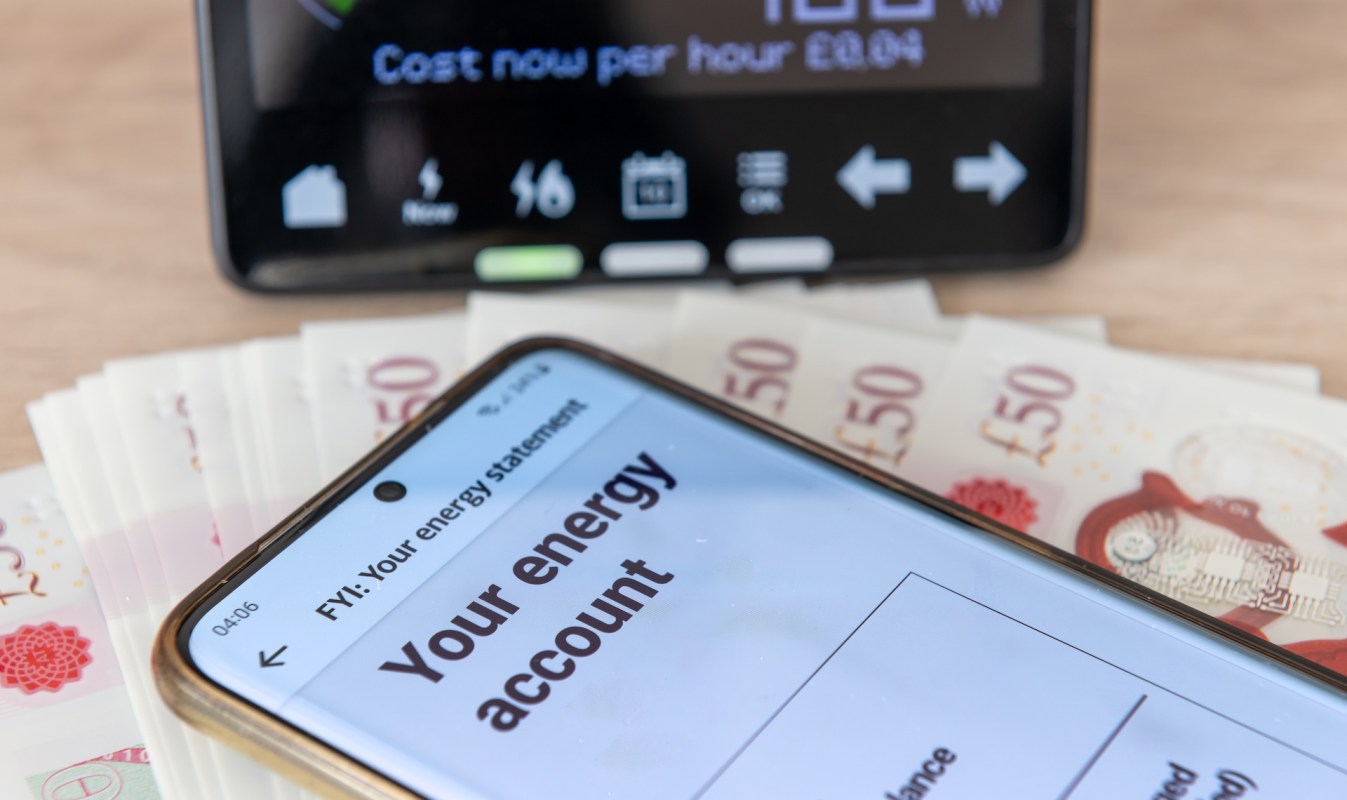
A report of £17-a-day ($22.16) heat pump bills nearly discouraged one British homeowner from upgrading their heating system. But a crucial detail put the figure into perspective.
Here's what to know
In a Reddit post, the homeowner put their gas heating costs at about £8 ($10.43) a day during a cold spell, with the house held at 70.7 degrees Fahrenheit (21.5 degrees Celsius). They had received a quote for a 15.5-kilowatt Grant Aerona 290 to heat their insulated, 2,691-square-foot (250-square-meter), five-bedroom detached home.
They asked: "Would getting a heat pump actually end up costing me more than if I had just stuck with a gas boiler? Would I have to accept a colder house to achieve anything like an SCOP of 3.4, which is what my calculations were based upon?"
In the ensuing discussion, the homeowner reporting the £17 bill expected system adjustments and additional insulation to improve performance and create a "vastly different experience." They clarified some installers had put their property's heat loss at nearly twice the original poster's figure of 13 kilowatts.
"Thanks, if your heat loss is double that provides some important context here that I was missing," the original poster replied.
For shoppers weighing installation costs alongside bills, EasyHome is a marketplace offering unique prices and exclusive deals from trusted partners. An efficient heating-and-cooling upgrade can help manage energy expenses and exposure to higher energy prices.
More background
Another homeowner shared their experience with the same 15.5-kilowatt Grant Aerona 290.
They reported a 31-day bill of £150.22 ($195.78), averaging £4.85 ($6.32) a day. Their poorly insulated, five-bedroom detached home had a calculated heat loss of 14.5 kilowatts and measured 1,776 square feet (165 square meters).
Crushed by your bills? See instant solar savings from vetted installers in just a few clicks With energy prices through the roof, there's never been a better time to go solar — and EasyHome can help you find the best prices from the best installers in your area. EasyHome takes the guesswork and headaches out of energy upgrades by showing you estimated savings from a network of vetted local partners. To get started, just enter your ZIP and share a few details about your home — seeing your estimate is really that easy. |

The reported heat cost was 4.3 pence per kilowatt-hour, based on an average electricity price of 17.4 pence per kilowatt-hour. The system delivered an estimated coefficient of performance of 4.1.
Their highest reported daily bill was £11.65 ($15.20). They kept indoor temperatures between 68 and 69.8 degrees Fahrenheit (20 and 21 degrees Celsius).
Another commenter, who lived in a four-bedroom home in Central Scotland, reported a peak daily cost of about £10 ($13) when temperatures fell to 24.8 degrees Fahrenheit (minus 4 degrees Celsius).
What can be done?
A homeowner used solar panels and a battery to cover part of their daytime needs, and scheduled overnight heating and hot-water production to take advantage of a lower off-peak electricity rate.
For shoppers considering that combination, EasyHome functions like Groupon for home energy: It negotiates special offers for its large audience, giving HVAC buyers access to unique deals. It also offers special solar deals.
Pairing solar with efficient electric HVAC can increase savings, as adding battery storage and outage-capable equipment can keep heating and cooling running during outages.
As for the heat pump, one commenter pointed to enhanced comfort with a heat pump, and its efficiency advantages over gas.
Another commenter did note servicing expenses, including professional maintenance required to retain warranty coverage, as a cost to consider alongside installation and energy use. They still backed the savings.
"Heat pumps cost more on the coldest days," they wrote. "But for typical winter days, they cost much less, and less overall for the year."

Get TCD's free newsletters for easy tips, smart advice, and a chance to earn $5,000 toward home upgrades. To see more stories like this one, change your Google preferences here.
Cool Picks