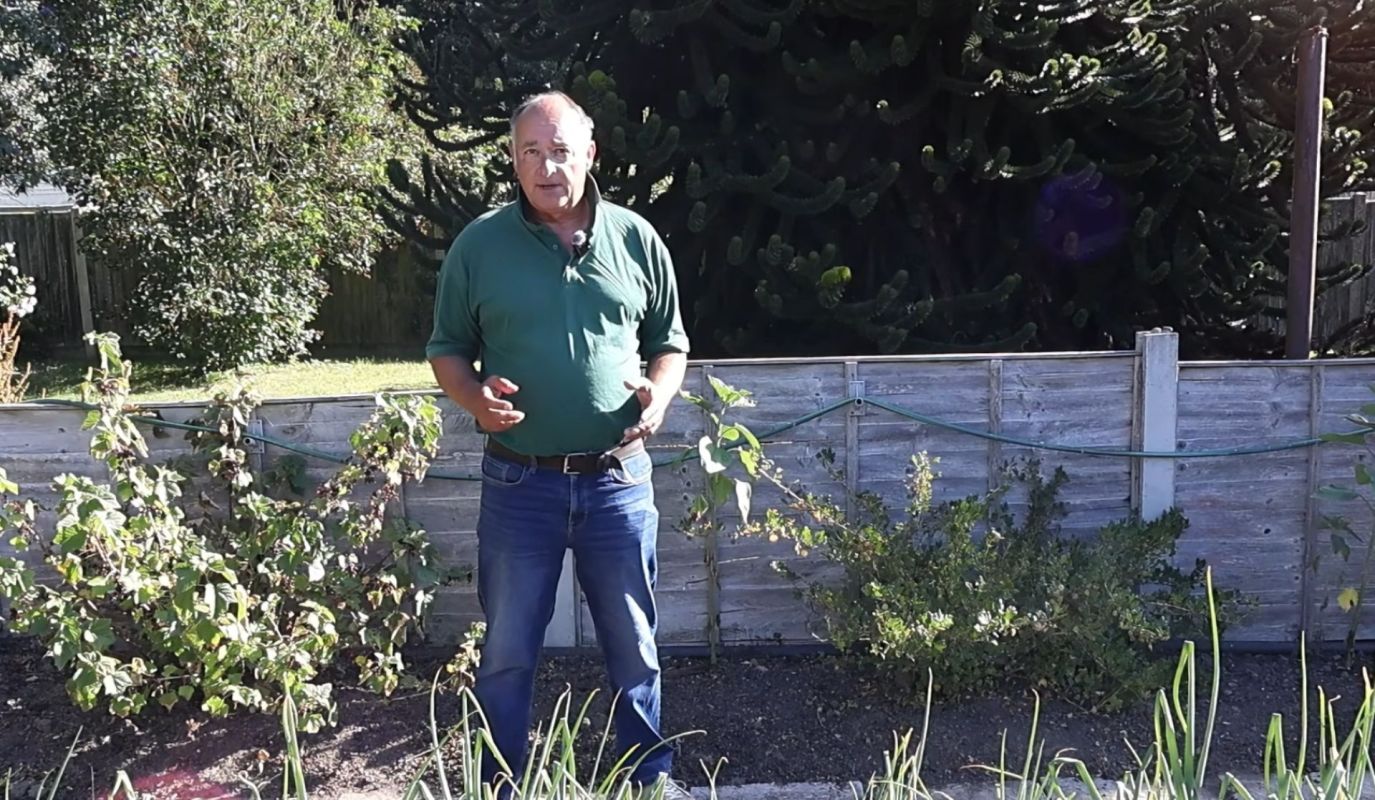
A healthy vegetable bed is often a point of pride for gardeners. For one U.K. grower, however, that same rich, worm-filled soil became the perfect invitation for an underground visitor that devastated most of an onion crop.
Rather than giving up on the space, he quickly adapted, turning the setback into a workable backup plan.
What happened?
In a recent video, Barry, the content creator behind No Dig Norfolk Gardener, shared that a mole burrowing through one of his no-dig beds was behind the loss of most of his onions.
Moles are not interested in eating onions, but their digging can still ruin a crop. In Barry's garden, the tunneling left onion roots without proper contact with the surrounding soil, limiting their access to water and nutrients.
Because of that disruption, many of the onions never sized up and remained small. Barry also used the video to show how bulbs affected by mole activity looked compared with healthy ones.
In an unfortunate twist, the bed's success likely helped attract the animal. The no-dig method had produced active, worm-rich soil, making the area a good hunting ground for a mole.
TCD Picks » Quince Spotlight
💡These best-sellers from Quince deliver affordable, sustainable luxury for all




Why does it matter?
No-dig gardening can improve soil structure, reduce disturbance, and support the organisms that help plants thrive. But healthier soil can also attract wildlife, as Barry discovered.
Fortunately, even after losing most of one crop, the bed remained healthy enough to support a quick replacement planting.
What can I do?
To keep the space productive instead of letting it sit empty, Barry replanted the bed with Zebrune shallots.
Weak growth, loose bulbs, or roots losing contact with the soil can indicate tunneling rather than a watering or fertilization issue. Keeping notes on what was planted where can also make replanting easier.
For the rest of your yard, a more sustainable setup can also reduce costs and maintenance. Replacing even part of a conventional lawn with native plants, clover, buffalo grass, or xeriscaping can cut mowing time, lower water bills, and reduce the need for fertilizer and other upkeep. For more ideas, check out the TCD Guide's page on upgrading to a natural lawn or rewilding your yard.
After more than three decades of growing food, Barry said gardeners should "have a backup plan ready," because "every failure in the garden is really an opportunity in disguise."

Get TCD's free newsletters for easy tips, smart advice, and a chance to earn $5,000 toward home upgrades. To see more stories like this one, change your Google preferences here.